Postpartum hip and joint pain
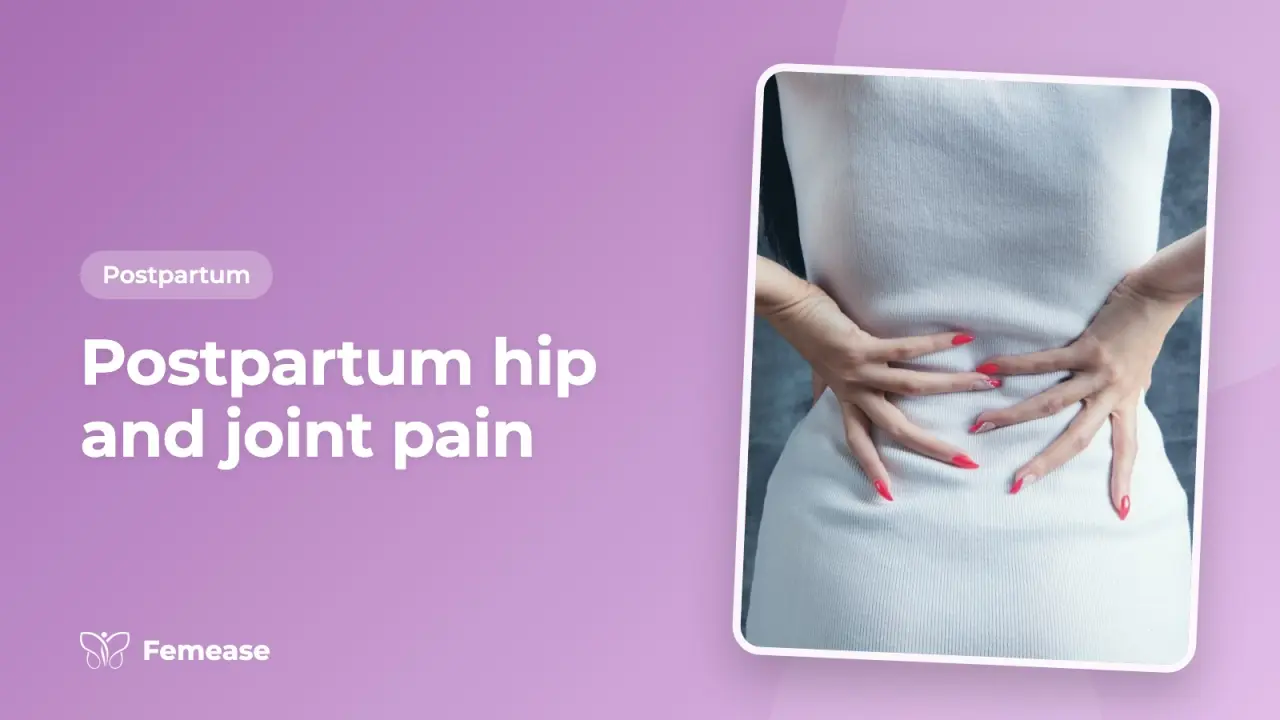
In short: Hip and joint pain after delivery is common. The hormone relaxin, which loosens your joints for birth, can stay in your body for months, especially while breastfeeding. Long hours of hunched feeding and lifting your baby add strain. Gentle strengthening, good posture during feeds and warmth usually help. See a gynaecologist or physiotherapist if the pain lasts beyond 3 to 4 months, disturbs sleep or walking, or feels sharp or burning.
"Why do my hips still hurt months after delivery?" "I never had joint pain before pregnancy. Is this normal?" If you are navigating motherhood with a sore back, aching hips, or stiff joints, you are far from alone.
Many new moms experience lingering hip and joint pain postpartum, even after the so-called "recovery" phase is over. While people often talk about the beauty of childbirth, the physical toll it takes on your body does not get nearly enough attention, especially when it comes to those subtle, nagging pains that creep in during the weeks or even months after delivery.
Why am I still in pain after giving birth?
1. Relaxin does not leave immediately
During pregnancy, your body produces a hormone called relaxin. It softens the ligaments in your pelvis and joints to prepare for childbirth. But here is the catch: relaxin can linger in your system for months after delivery, especially if you are breastfeeding.
That lingering hormone can keep your joints loose, unstable, and more prone to discomfort, particularly in the hips, lower back, knees, and wrists.
2. Poor Posture from Breastfeeding or Babywearing
Feeding a baby can take up hours each day, whether you are breastfeeding, bottle-feeding, or pumping. Many moms unknowingly hunch over, slouch, or cradle in awkward positions, especially during night feeds.
This can lead to:
- Hip misalignment
- Strain on your lower back and neck
- Joint compression in your shoulders, elbows, and wrists
Over time, this poor posture becomes a daily stressor on an already hormone-sensitive body.
Common areas of postpartum joint pain
- Hips: From pelvic expansion to loose ligaments, hip joints remain unstable postpartum.
- Lower back: Core muscles are weakened after pregnancy, leading to compensation and strain.
- Wrists and elbows: Repetitive baby lifting, changing, and feeding add pressure.
- Knees: Extra weight during pregnancy and after-birth posture shifts can lead to knee pain.
Finding relief: Gentle, realistic steps that work
1. Rebuild strength slowly
Do not rush into intense workouts. Instead, start with postpartum-specific exercises focused on pelvic floor, core, and hip stability. Think: Pelvic tilts Glute bridges Bird-dogs Gentle yoga or Pilates
Consult a postnatal physiotherapist if pain persists or worsens.
2. Correct your posture (even during feeds)
Use a nursing pillow or place cushions behind your back. Keep your shoulders relaxed and bring the baby to your chest, not the other way around. Also, switch sides regularly and stretch after long feeding sessions.
3. Warm compress
Applying warmth to stiff joints helps improve blood flow and relax muscles.
4. Use supportive gear
- A postpartum belt or hip wrap can offer stability during recovery.
- Supportive footwear helps reduce strain on your knees and hips.
- Wrist braces may help with repetitive baby-lifting movements.
5. Listen to your body
Your body is healing from an incredible transformation. Rest, hydrate, and nourish it. Eat foods rich in:
- Omega-3s (salmon, flaxseeds)
- Collagen (bone broth)
- Anti-inflammatory herbs (turmeric, ginger)
Talk to a professional if your pain:
- Lasts longer than 3–4 months postpartum
- Interferes with sleep, walking, or daily care
- Feels sharp, burning, or worsens with activity
It is time to reach out to your OB-GYN, a physical therapist, or a chiropractor who specializes in postpartum care.
Too often, moms are told to brush off aches and pains as part of motherhood. But your pain is real, and your comfort matters.
Healing after childbirth takes more than just time, it takes awareness, support, and the right care.
Questions women ask
Why do my hips hurt after giving birth?
During pregnancy, relaxin softens the ligaments in your pelvis so your baby can be born. These ligaments take time to firm up again, so your hips can feel loose and sore. Weak core muscles and poor posture while feeding can add to the ache.
Is joint pain after delivery normal?
Achy hips, lower back, wrists and knees are common in the months after birth. Lifting, feeding and carrying your baby put repeated pressure on joints that are still settling. It usually eases slowly as your body heals and gets stronger.
How long does postpartum hip pain last?
For many mothers it settles over a few weeks to months. If it lasts longer than 3 to 4 months, keeps getting worse, or stops you from sleeping, walking or caring for your baby, see your gynaecologist or a postnatal physiotherapist.
Can I have hip pain after a C-section?
Yes. Even without a vaginal birth, pregnancy hormones and changes in posture can leave your hips and back sore. Start gentle movement only when your doctor says your wound has healed, and avoid heavy lifting early on.
When is postpartum pain an emergency?
Go to hospital straight away if you have one swollen, red or painful leg, chest pain or breathlessness, or heavy bleeding that soaks a pad in an hour. See a doctor the same day for fever with pain or sudden severe pain.
General information, not medical advice. Talk to a doctor about your own health.
Talk to a doctor about your recovery after birthKeep reading in the Femease app
Save articles, track your cycle or pregnancy, and talk to a doctor when you need one.
Keep reading
Joint pain during your period: why it happens and when to worry
Exploring less-recognized symptoms like ligament laxity and hypermobility syndromes.
Postpartum return of menstruation
When will your period come back after delivery? Learn what your first postpartum period may be like, if irregular cycles are normal, and when to worry.
Postpartum gastrointestinal shifts
IBS flare-ups, acid reflux, slow digestion, and bowel unpredictability after delivery, especially after pain meds or C-section.
Postpartum posture problems
Back, shoulder, and neck pain from feeding, carrying, or poor support, plus easy exercises.
Night sweats and hot flashes after birth: what's normal
Soaking sheets at night or suddenly hot after delivery? Why your temperature swings postpartum, how long it lasts, and when to call your doctor.
Thyroid imbalances after pregnancy
How postpartum thyroiditis can go unnoticed and mimic mood disorders or exhaustion.
