Postpartum gastrointestinal shifts
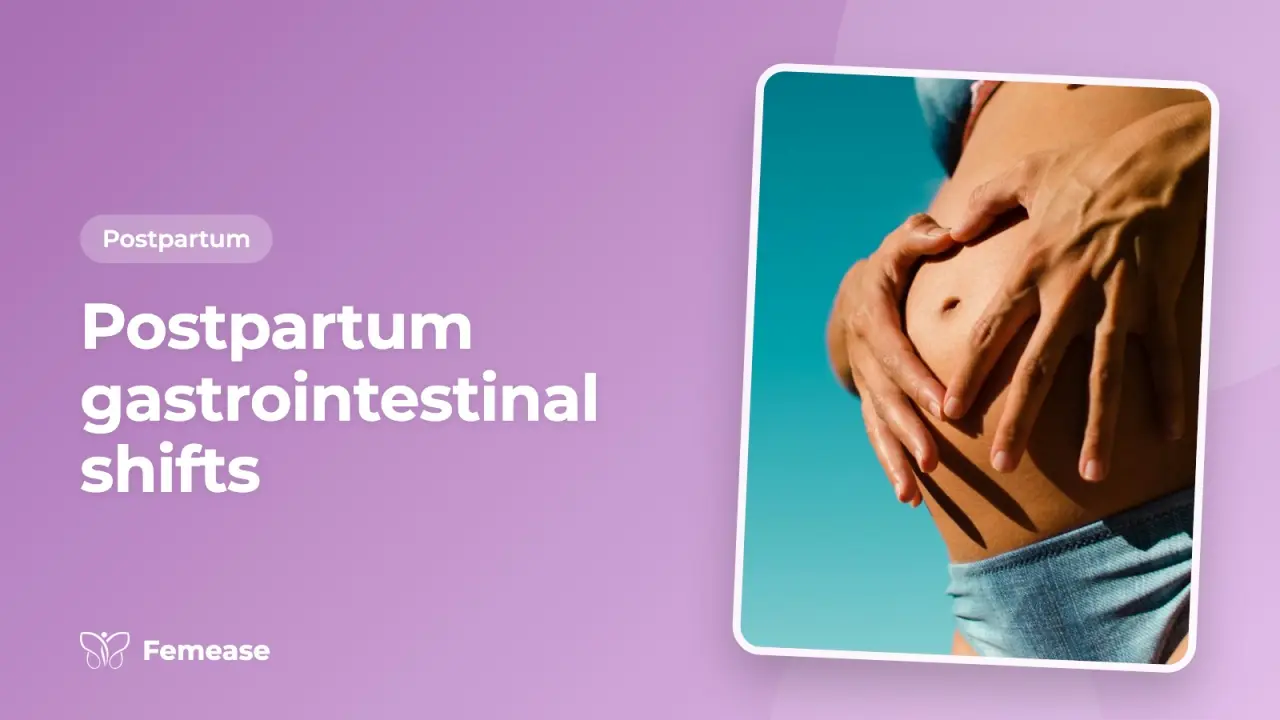
In short: Constipation, gas, acid reflux and an unpredictable tummy are very common in the weeks after delivery, after both a normal birth and a C-section. Falling hormones, stitches, anaesthesia, some supplements, stress, poor sleep and irregular meals all play a part. Water, warm liquids, fibre-rich home food and gentle walking usually help your gut settle. See a doctor if you see blood in your stool, have severe tummy pain, or have not passed stool for 3 to 4 days after delivery.
Bringing a baby into the world is magical, but what no one tells you is how your gut might rebel right after. Whether you have had a vaginal delivery or a C-section, the postpartum period often comes with a wave of unexpected gastrointestinal shifts. From IBS flare-ups to acid reflux, slow digestion, and random bathroom visits, your belly might not feel quite like your own anymore.
Why does digestion get so weird after birth?
Your gut is incredibly sensitive to physical trauma, hormonal shifts, and stress, all of which are part of the postpartum experience. The most common culprits behind post-birth digestive issues include:
- Hormonal rollercoaster (thanks, progesterone and estrogen)
- Surgery-related trauma (C-sections can temporarily slow down gut motility)
- Constipation (some supplements can add to it)
- Anxiety and sleep deprivation
- Dietary changes or irregular meals
It is not just “in your head,” your digestive system is recovering just like the rest of you.
1. IBS flare-ups after delivery
If you had irritable bowel syndrome (IBS) before pregnancy, chances are your symptoms might come back or get worse after delivery. Hormonal drops, stress, sleep loss, and diet changes can all trigger:
- Bloating
- Cramps
- Diarrhea or constipation (or both)
- Gas and abdominal discomfort
C-sections can also disrupt your gut microbiome, making IBS even harder to manage.
Tip: Focus on fiber-rich, gut-friendly foods like oats, bananas, cooked vegetables, and fermented foods. Check with your doctor before taking any supplement.
2. Acid Reflux: It did not end with pregnancy
Thought you said goodbye to heartburn after giving birth? Think again.
Many new moms find that acid reflux lingers postpartum, especially if they are eating irregularly, lying down after feeding, or dealing with abdominal pressure from breastfeeding positions or post-op swelling.
If you had a C-section, your digestive system may take longer to “wake up” post-surgery. That sluggishness can lead to indigestion and reflux.
Tip: Try eating smaller, more frequent meals. Avoid lying flat immediately after eating. Ginger tea or a warm glass of water with a dash of cumin can naturally ease reflux.
3. Postpartum constipation & slow digestion
Whether it is fear of tearing stitches or just dehydration, constipation is one of the most common postpartum complaints.
Some women do not poop for several days after birth, and that is normal (but yes, uncomfortable!).
If you had a C-section, anesthesia can also slow your digestive muscles, leading to sluggish bowel movements. Add in some supplements, less movement, and low water intake, and you have the perfect storm.
Tip: Stay hydrated, walk slowly but regularly, and include prunes, flaxseeds, or soaked raisins in your diet. Warm liquids can gently stimulate digestion.
4. The unpredictable bowel schedule
One day you are constipated, the next you are running to the toilet. This unpredictability is often a sign of your gut trying to find its rhythm again post-delivery.
You might notice:
- Loose stools followed by constipation
- Urgency after meals
- A sudden sensitivity to foods you once tolerated
This can be incredibly frustrating, especially when you are also sleep-deprived and learning to care for a newborn.
Tip: Keep a food journal to spot triggers. Avoid processed foods and excessive caffeine. A light home-cooked khichdi (rice-lentil porridge) or bone broth can be gentle and healing.
When should you be concerned?
While most postpartum digestive issues are temporary, talk to your doctor if you notice:
- Blood in stool
- Severe abdominal pain
- No bowel movement for 3 to 4 days after delivery
- Ongoing diarrhea for more than a week
- Sudden weight loss
No one talks enough about the postpartum gut. We hear everything about baby blues and breastfeeding, but not the bloating, gas, or the 20 minutes spent psyching yourself up for that first poop.
It is okay to feel off. It is okay to not recognize your body or your digestion, right now. With time, gentle care, and the right nourishment, your gut will find its way back to balance.
Questions women ask
How long does constipation last after delivery?
It is normal not to pass stool for a few days after birth, and things usually settle in the first weeks as you eat, drink and move more. If you have not gone for 3 to 4 days after delivery, or it keeps coming back for weeks, talk to your doctor.
How can I relieve constipation after a C-section at home?
Drink plenty of water and warm liquids, walk slowly but often, and add soaked raisins, prunes, flaxseeds, oats and cooked vegetables to your meals. Try not to strain. If nothing helps in a few days, ask your doctor, who can suggest what is safe while breastfeeding.
Why do I have acid reflux after delivery?
Irregular meals, lying down soon after feeds and a slower gut after a C-section can keep heartburn going after birth. Eat smaller, more frequent meals and stay upright for a while after eating. Ginger tea or warm water with a pinch of cumin may soothe it.
Can IBS get worse after pregnancy?
Yes. Hormone changes, stress, broken sleep and new eating patterns can bring back or worsen IBS after delivery, with bloating, cramps, gas, loose stools or constipation. A food journal helps you spot triggers. Choose gentle, gut-friendly foods, and check with your doctor before taking any probiotic or other supplement.
When are tummy problems after delivery an emergency?
See a doctor the same day if you have blood in your stool, severe tummy pain, fever with tummy pain, redness or discharge from a C-section wound, or vomiting that will not stop. Diarrhoea for more than a week or sudden weight loss also needs a check-up soon.
General information, not medical advice. Talk to a doctor about your own health.
Talk to a doctor about your recovery after birthKeep reading in the Femease app
Save articles, track your cycle or pregnancy, and talk to a doctor when you need one.
Keep reading
Postpartum hip and joint pain
Hip or back pain after delivery? Learn why joint pain can linger postpartum, which areas it affects, gentle steps that help, and when to see a physio.
Postpartum return of menstruation
When will your period come back after delivery? Learn what your first postpartum period may be like, if irregular cycles are normal, and when to worry.
Healing after a c-section
C-section recovery at home: tips on your healing timeline, pain, gentle movement, caring for your stitches, eating well and emotional support.
C- section recovery vs vaginal recovery
C-section vs vaginal delivery recovery: how pain, complications, movement, emotions and future pregnancies differ, so you know what to expect.

Why sounds feel so loud
Why normal noise (baby crying, household sounds) can feel overwhelming, and what sensory overload looks like in new moms.
Postpartum posture problems
Back, shoulder, and neck pain from feeding, carrying, or poor support, plus easy exercises.
