C- section recovery vs vaginal recovery
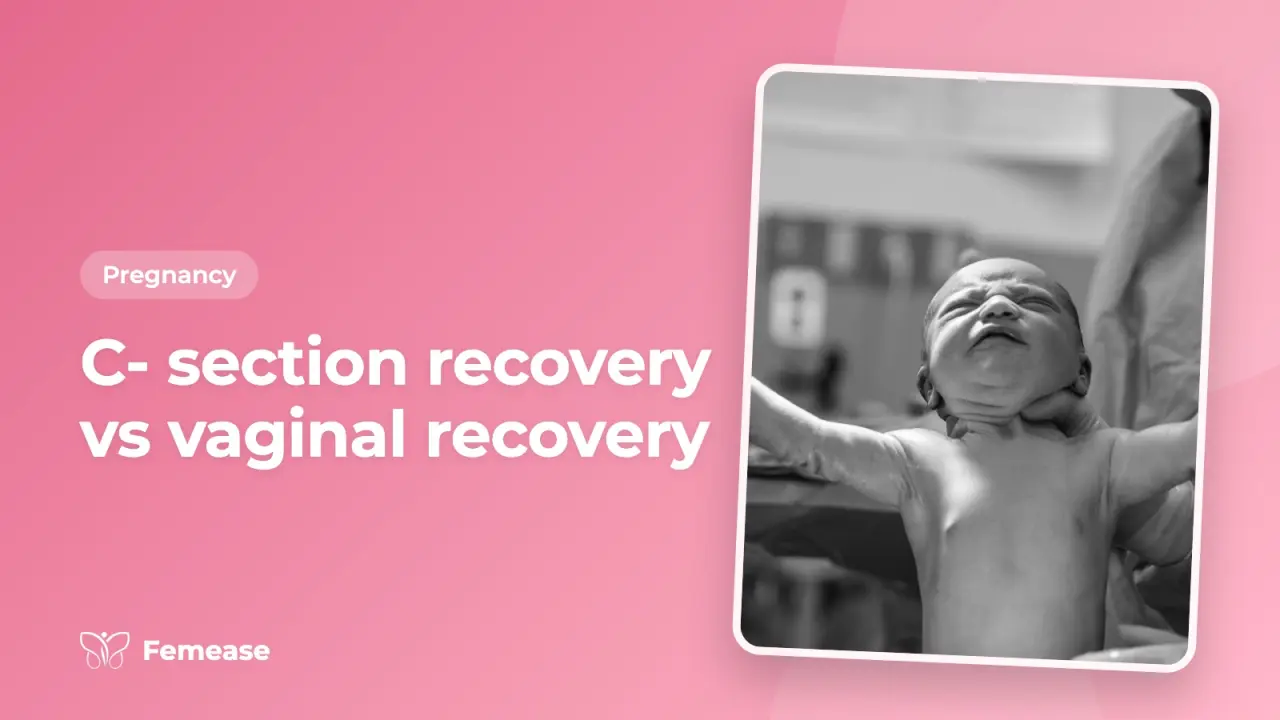
In short: Recovery is usually quicker after a normal (vaginal) delivery: most women walk and shower within hours, and stitches or soreness ease over a few weeks. A C-section is major surgery, so recovery is slower, with pain and limits on lifting and driving for around 6 to 8 weeks. Neither is better for everyone; your doctor advises what is safest for you and your baby. See a doctor the same day for fever or a red, oozing wound, and go to hospital straight away for heavy bleeding.
When it comes to childbirth, every woman's experience is unique—whether through a vaginal delivery or a cesarean section (C-section). Both have their pros and cons, and recovery varies greatly depending on several factors, from the birth method to individual health. However, one thing is certain: recovering from childbirth is a journey that takes time, care, and support. So, let’s break down the real differences between recovering from a C-section and vaginal birth.
The immediate postpartum experience
After delivery, both vaginal and C-section births bring on intense emotions and physical changes, but there are key differences:
Vaginal birth: In a vaginal birth, the recovery process usually starts quicker. Most women who have vaginal births can walk, eat, and even shower within a few hours after delivery. While there may be discomfort from vaginal tears or an episiotomy (a small surgical cut), it typically improves after a few days, especially with proper care.
C-Section: A C-section is a major surgery involving an incision in the abdominal wall, so recovery is more gradual. The first few days may feel more limiting since you'll be recovering from both the abdominal and uterine incisions. Moving, coughing, or laughing may be painful, and you may require more help with basic tasks like getting out of bed or walking.
Pain management
Pain is a big part of the recovery process, but it manifests differently depending on how you gave birth:
Vaginal birth: After a vaginal delivery, you might experience perineal discomfort due to tearing or an episiotomy. The pain is generally manageable with ice packs, sitz baths, and the care your doctor advises. It might last a few weeks, but it typically eases up as your body heals. You may also experience uterine contractions as your uterus shrinks back to its pre-pregnancy size.
C-Section: After a C-section, the pain is more severe due to the surgery itself. Your care team will help you manage the pain, especially for the first few days, as the incision heals. It can take longer for the pain to subside, anywhere from 6 to 8 weeks in some cases, and during this time, you’ll need to avoid heavy lifting or strenuous activities.
The risk of complications
While both vaginal and C-section deliveries are generally safe, each carries different risks:
Vaginal birth: Vaginal deliveries can come with risks such as tears (ranging from minor to severe) and infections. The recovery time is usually quicker unless complications arise, such as severe tearing, or issues like urinary incontinence or pelvic floor dysfunction.
C-Section: A C-section, being a major surgery, comes with higher risks of complications like infection, blood clots, or issues related to anesthesia. The incision site can be prone to infection, and while the scar heals, it can sometimes become painful or tender. Future pregnancies may also carry an increased risk of complications such as placenta previa or uterine rupture in women who’ve had a previous C-section.
Mobility and daily activities
When it comes to getting back to your normal routine, there’s a noticeable difference between vaginal and C-section recovery:
Vaginal birth: In most cases, vaginal birth recovery allows for a faster return to mobility and normal activities. You may need to take things easy for a few weeks, but generally, you can move around more freely from the get-go. Many women can care for their newborns with fewer restrictions.
C-Section: After a C-section, you’ll need to be more careful with movement, especially in the first few weeks. Heavy lifting, driving, or even walking long distances might be off-limits for a while. Your doctor will likely advise you to take it easy for at least 6 weeks to avoid stressing the incision site and surrounding muscles.
Emotional recovery
Recovery isn't just physical, emotional health plays a huge role too, and for many, childbirth can bring both joy and unexpected challenges:
Vaginal birth: Women recovering from a vaginal birth can experience the typical emotional ups and downs, such as baby blues or postpartum depression. Since vaginal births are often less invasive, many women feel more empowered and “normal” sooner, but emotional recovery is still just as important.
C-Section: The emotional recovery after a C-section can sometimes feel more complicated, especially for those who had hoped for a vaginal birth. Feelings of disappointment, guilt, or even trauma may arise, and it's important to recognize that these feelings are valid. Support from partners, family, and healthcare professionals can help ease this process.
Future pregnancies
While no one can predict the future, the type of delivery you have can influence your options for subsequent pregnancies:
Vaginal birth: After a vaginal birth, many women go on to have additional vaginal deliveries without significant complications. However, some women may face challenges such as pelvic floor dysfunction or issues like pelvic organ prolapse.
C-Section: A C-section can affect future pregnancies. While many women go on to have vaginal births after a C-section (VBAC), the decision to attempt a VBAC depends on various factors, including the reason for the first C-section. C-sections also carry the risk of complications in future pregnancies, such as a higher chance of placental problems or uterine rupture.
Long-term effects
Both recovery journeys have long-term implications, although they differ in nature:
Vaginal Birth: Long-term effects might include ongoing pelvic floor issues like incontinence or vaginal prolapse, especially if you had a traumatic delivery or tore significantly. However, these issues are manageable with physical therapy and proper care.
C-Section: The most common long-term effect of a C-section is the scar tissue that forms in the abdominal wall. Some women experience discomfort, or the scar may become more noticeable. There can also be an increased risk for adhesions (bands of scar tissue that can cause organs to stick together), which can lead to chronic pain or fertility issues in rare cases.
Questions women ask
How long does recovery take after a normal delivery?
Most women are up and about within hours. Soreness from tears or stitches usually eases over a few weeks, and the body keeps healing for about 6 weeks. Ice packs, sitz baths and rest help. Tell your doctor if stitches become more painful, smell bad or open.
How long does C-section recovery take?
The first days are the hardest, and moving, coughing or laughing can hurt. Most women need about 6 to 8 weeks to recover, avoiding heavy lifting and strenuous activity during that time. Your doctor will tell you when it is safe to drive and exercise.
Which is better, C-section or normal delivery?
Neither is better for everyone. A normal delivery usually means a faster recovery, while a C-section is the safer choice in some situations. Talk it through with your gynaecologist, who will advise based on your health and your baby's.
Can I have a normal delivery after a C-section?
Many women can, which is called a VBAC. It depends on why you had the first C-section and other factors. Discuss it with your gynaecologist early in your next pregnancy.
What warning signs after delivery need a doctor the same day?
Go the same day for fever, a red, swollen or oozing wound, or foul-smelling discharge. Go to hospital straight away for bleeding that soaks a pad an hour or large clots, pain or swelling in one leg, chest pain or breathlessness, or a severe headache. If you have thoughts of harming yourself or your baby, call Tele-MANAS 14416 or go to the nearest emergency.
General information, not medical advice. Talk to a doctor about your own health.
Talk to a doctor about your pregnancyKeep reading in the Femease app
Save articles, track your cycle or pregnancy, and talk to a doctor when you need one.
Keep reading
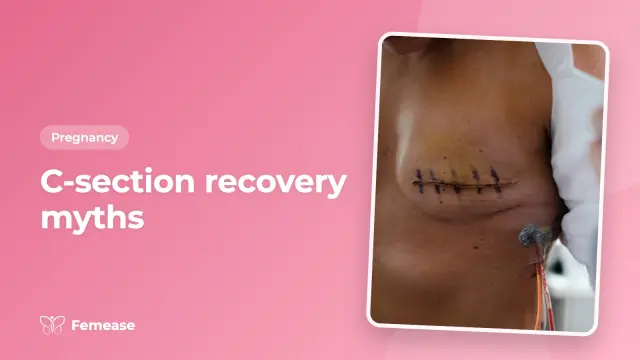
C-section recovery myths
Is a C-section the easy way out? We bust 5 common C-section recovery myths, from healing time to pelvic floor issues and feeling normal at 6 weeks.
Healing after a c-section
C-section recovery at home: tips on your healing timeline, pain, gentle movement, caring for your stitches, eating well and emotional support.

The truth about increased vaginal discharge in pregnancy
Normal vs abnormal, what every pregnant woman should know, but few talk about.
Nutrition for postpartum recovery and breastfeeding
What to eat after delivery? Postpartum food basics for recovery and breastfeeding, from warm cooked meals and ghee to laddoos and foods to avoid.
Pregnancy and digestive health
Understanding bloating, constipation, heartburn—and gut-friendly solutions
Understanding baby's movement
When do babies start moving? Learn what your baby's kicks and flutters mean, how to track movements from 28 weeks, and when to call your doctor.
