Why sounds feel so loud
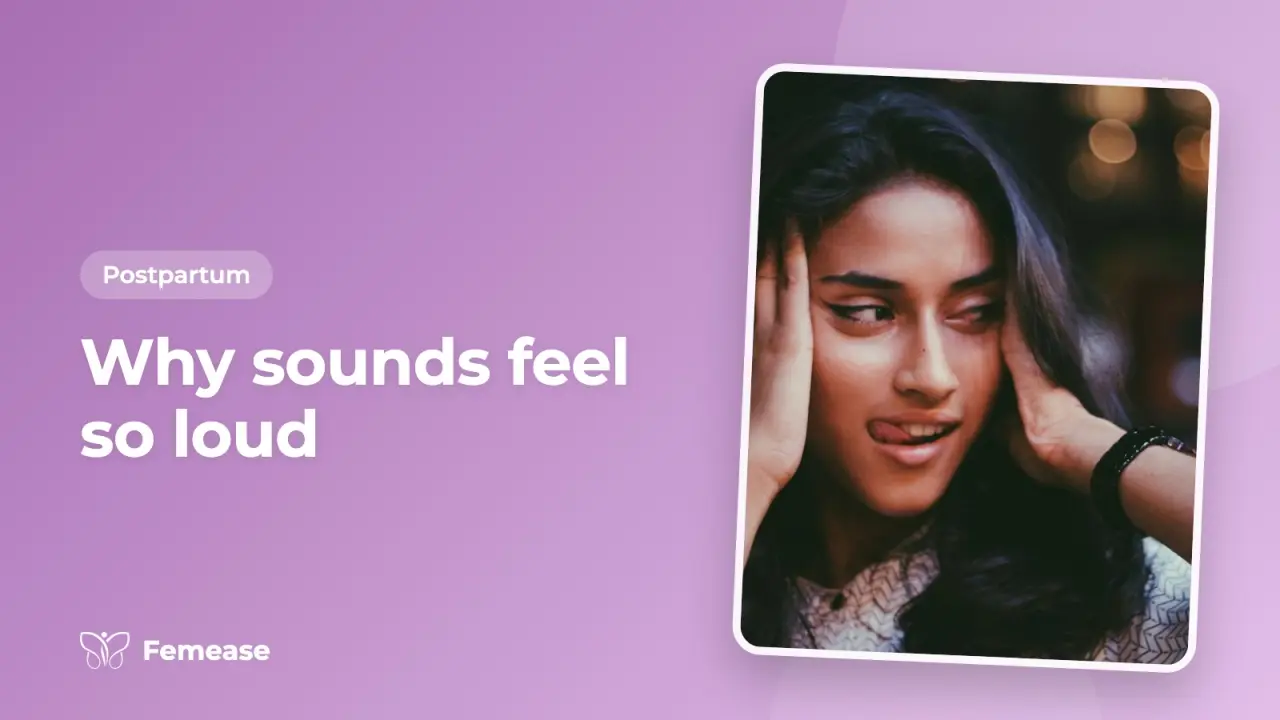
In short: Many new mothers find that everyday sounds, especially their baby's cry, suddenly feel unbearable after birth. The sounds are not louder; your brain reacts more strongly because of falling hormones, lack of sleep, constant alertness and a cry that is built to set off an alarm. Rest, quiet breaks, earplugs and slow breathing usually help. If the feeling turns into rage, panic or numbness, or lasts for weeks, talk to a doctor or a postpartum mental health expert.
Ever felt like the baby's cry was echoing in your brain, or that the clink of a spoon made you want to scream? You are not alone. Many new moms report feeling overwhelmed by everyday noises after childbirth. It is not just in your head; your postpartum brain and body are more sensitive, and certain sounds can trigger stress, anxiety, and even anger.
Let us explore why normal noise can feel too much after birth, what sensory overload looks like in new mothers, and how to gently manage it.
What is postpartum sound sensitivity?
Postpartum sound sensitivity is when ordinary sounds, like a crying baby, a doorbell, or running water, suddenly feel unbearable. These noises are not necessarily louder; your brain just reacts more strongly to them.
This often happens in the weeks or months after childbirth and is linked to:
- Hormonal changes
- Sleep deprivation
- Heightened stress levels
- Overstimulated senses from constantly attending to a newborn
Why does this happen?
1. Your hormones are still regulating
Estrogen and progesterone drop sharply after birth. These hormones influence your nervous system, so their sudden absence can make your brain more reactive to sensory input, including sound.
2. The mental load is massive
Postpartum life is filled with new responsibilities, uncertainty, and decision fatigue. Your brain is constantly on alert, especially for your baby’s needs. This “hypervigilance” makes you more sensitive to any incoming stimuli, including noise.
3. Sleep deprivation messes with sensory processing
A tired brain does not filter out unimportant noise well. When you are running on little to no sleep, even small sounds can feel like shouting. Your ability to regulate emotional responses also takes a hit, making things feel more intense than they are.
4. Crying triggers a biological alarm
A baby’s cry is designed to be impossible to ignore. It activates your fight-or-flight system, especially if you are breastfeeding or bonded to your baby. This is nature’s way of making sure you respond, but it also means crying can feel incredibly stressful.
What sensory overload looks like in new moms
If you are feeling:
- Easily irritated by small noises
- Like you want to escape from the room
- Tense, anxious, or angry when the baby cries
- Drained and overstimulated at the end of the day
- Like, silence is the only thing that brings relief
You may be dealing with postpartum sensory overload, with sound sensitivity as one major symptom.
So many new moms suffer in silence because they are told to “get used to it” or feel ashamed of being triggered by their baby’s cry. But it is not a sign you are a bad mom, it is a sign your nervous system is working overtime.
Ways to cope with postpartum sound sensitivity
Use noise-reducing tools
- Loop earplugs or noise-cancelling headphones can reduce sharp sounds while still allowing you to hear what you need.
Prioritize rest (even micro-naps)
- Sleep heals your brain and reduces sound sensitivity over time. Tag-team naps with your partner or nap while the baby sleeps when possible.
Practice nervous system regulation
- Deep breathing, body scans, or even humming can calm your nervous system.
- Apps like Insight Timer or Headspace offer postpartum-friendly meditations.
Say it out loud
- Talk to your partner or support system. Explain that you are not “angry,” you are overwhelmed and need quiet time to reset.
Watch for deeper red flags
If the sensitivity turns into rage, panic, or prolonged emotional numbness, talk to a postpartum mental health expert. These may be signs of postpartum anxiety, depression, or sensory processing issues that deserve support and care.
Just as your baby is adapting to life outside the womb, you are adjusting to life as a mother. Your brain, body, and senses are all doing their best. Give yourself grace. With time, support, and care, things do get quieter, not just on the outside, but within you, too.
Questions women ask
Is noise sensitivity after giving birth normal?
Yes, it is common. The hormone drop after delivery, broken sleep and the mental load of caring for a newborn make your nervous system more reactive, so normal sounds feel like too much. It usually eases as you get more rest and support.
Why does my baby crying give me anxiety?
A baby's cry is designed to be impossible to ignore. It switches on your fight-or-flight response so you rush to help. When you are exhausted, that alarm can feel like tension, panic or anger. It does not mean you are a bad mother.
What does sensory overload feel like after delivery?
You may feel irritated by small noises, want to escape the room, feel tense or angry when the baby cries, or feel drained by evening with only silence bringing relief. Short quiet breaks, tag-team naps and telling your family what you need can help.
What is postpartum rage and when should I get help?
Postpartum rage is sudden, intense anger after birth, often linked to exhaustion and overload. It can be a sign of postpartum anxiety or depression, so talk to a doctor if it keeps happening. If you have any thoughts of harming yourself or your baby, get help straight away: call Tele-MANAS on 14416 or go to the nearest emergency.
General information, not medical advice. Talk to a doctor about your own health.
Talk to a doctor about your recovery after birthKeep reading in the Femease app
Save articles, track your cycle or pregnancy, and talk to a doctor when you need one.
Keep reading
Sensitive to smells and sounds in pregnancy? Why
Smells, sounds and touch can feel like too much when you're pregnant. Why it happens, and calm ways to cope with sensory overload.
Mental health and sound sensitivity (misophonia)
When everyday sounds trigger rage, panic, or overstimulation, how does it affect relationships?
How music, frequency, and sound affect mental states
Exploring sound therapy, binaural beats, and how auditory environments can heal or harm.
How hypervigilance impacts a new mom’s rest and mental health
The hidden toll of always checking if the baby’s okay, why it is more than just “being careful.”

The ethics and emotions of sleep training
Exploring the guilt, societal pressure, and polarized opinions make sleep training so emotionally loaded.

Postpartum gastrointestinal shifts
IBS flare-ups, acid reflux, slow digestion, and bowel unpredictability after delivery, especially after pain meds or C-section.
