Night sweats and hot flashes after birth: what's normal
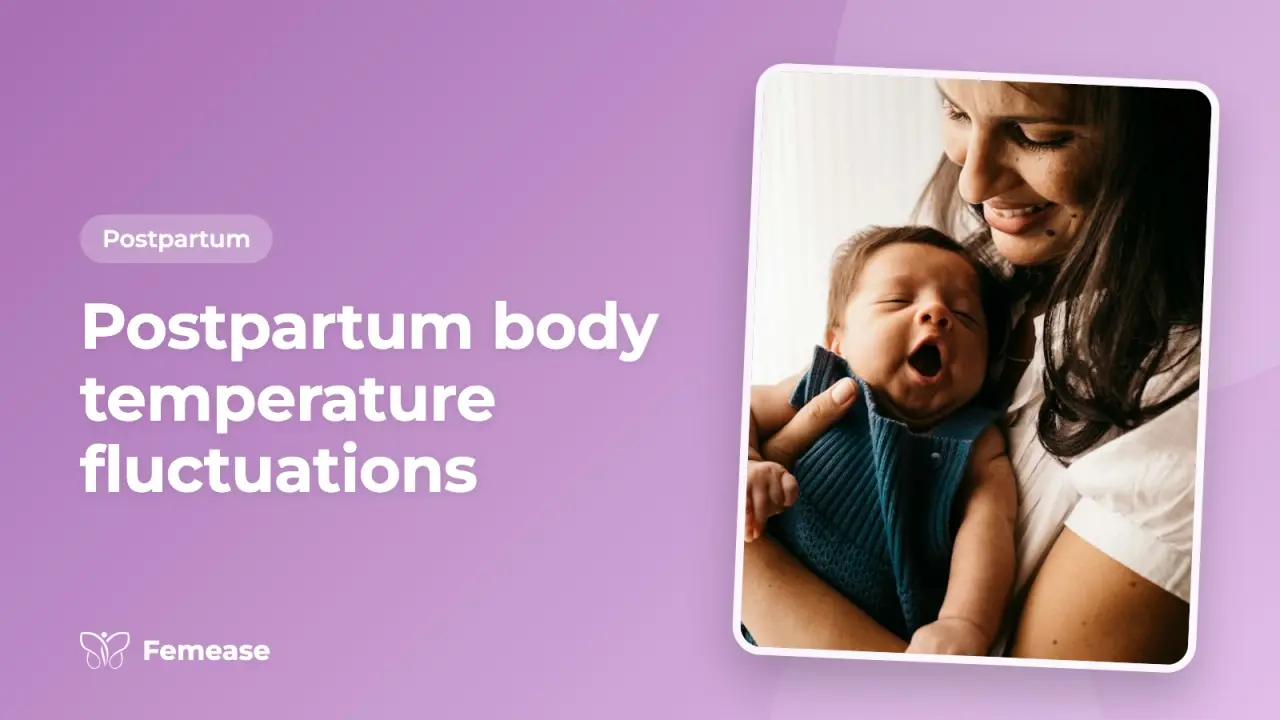
In short: Night sweats, hot flashes and chills after giving birth are common. Falling oestrogen and progesterone, and your body clearing extra fluid from pregnancy, are the main reasons. They usually peak in the first two weeks and settle within weeks, though breastfeeding can make them last longer. Night sweats that continue a year or two later are likely due to something else, so see a doctor. Call your doctor the same day for a fever of 38°C or more, shaking chills, or foul-smelling bleeding.
You have just given birth, and between the sleepless nights, healing body, and whirlwind of emotions, your internal thermostat seems... broken. One moment you are drenched in sweat, the next you are shivering under layers of blankets. If you are nodding in exhaustion and confusion, know this: postpartum body temperature fluctuations are very real and surprisingly common.
Why does your body temperature fluctuate after birth?
After you deliver your baby, your hormone levels shift dramatically. Estrogen and progesterone, which were high during pregnancy, drop sharply. At the same time, your body is flushing out excess fluids, everything from the IV fluids you may have received during labor to the extra water your body retained during pregnancy.
Here is what is going on:
- Night sweats (a.k.a. postpartum sweating): Your body is getting rid of the fluids it no longer needs. This usually happens at night when your body is in rest mode, and it can drench your sheets and your sanity.
- Chills: Your internal thermostat is recalibrating. Hormonal imbalances, sleep deprivation, and even minor infections can trigger waves of cold.
- Hot flashes or random warmth: Like what menopausal women experience, postpartum women may feel sudden heat surges. Again hormones.
When should you be concerned?
Most temperature changes in the postpartum period are harmless, but it is important to stay alert. Reach out to your healthcare provider if:
- You are running a fever over 100.4°F (38°C)
- You experience chills with shaking or feel faint
- The sweating comes with unusual odours or rashes
- There’s pain or swelling in your breasts (possible mastitis)
- Your bleeding becomes heavier or foul-smelling
These could signal infections or other complications like endometritis, which need prompt attention. If you faint, or your bleeding soaks a pad in an hour, go to hospital straight away.
How long does this last?
Postpartum sweating and chills usually peak within the first two weeks after delivery, but everybody is different. Some women feel back to “temperature normal” in a few days, others may take longer, especially if breastfeeding, which can extend hormonal shifts.
Simple ways to cope with temperature swings
While you cannot fast-forward hormonal recalibration, here are a few comforting, realistic ways to ease the discomfort:
- Layer up (or down): Wear breathable, light clothing and keep an extra layer nearby for sudden chills.
- Keep extra sheets handy: Night sweats are no joke. Place a towel over your pillow and keep a fresh pair of PJs ready.
- Stay hydrated: Sweating causes fluid loss, replenish with water or warm herbal teas, like the jeera or saunf water many families give new mothers, to support recovery. If you are breastfeeding, check with your doctor before taking any herb.
- Skip the heavy blankets: Opt for lightweight, moisture-wicking bedding.
- Practice mindful rest: Easier said than done, but rest helps your body regulate itself better. Ask for help. Let the laundry wait.
It is easy to feel disoriented in the postpartum period. Your body just did an incredible thing, and now it is finding its way back to balance. Yes, the sweating and shivering are inconvenient, even annoying, but they are often part of the normal healing process.
Questions women ask
Why do I get night sweats after giving birth?
After delivery, your pregnancy hormones drop sharply and your body works to get rid of the extra fluid it held during pregnancy. Much of this happens through sweating, often at night. It can drench your clothes and sheets, but it is usually a normal part of recovery.
How long do postpartum night sweats last?
They are usually worst in the first two weeks after delivery and ease over the following weeks. Breastfeeding can keep hormones low for longer, so some women notice sweats for a few months. If they continue well beyond that, mention them to your doctor.
Can postpartum night sweats last even after 2 years?
Sweating linked to giving birth usually settles within weeks to months. If you still have night sweats a year or two later, another cause is more likely, such as a thyroid problem, an infection, anxiety or early perimenopause. See a doctor to find out why.
When are chills or sweating after delivery a warning sign?
Call your doctor the same day for a fever of 38°C or more, shaking chills, feeling faint, a painful, red or swollen breast, heavier bleeding or bleeding that smells bad, or tummy pain. These can be signs of an infection that needs quick care.
General information, not medical advice. Talk to a doctor about your own health.
Talk to a doctor about your recovery after birthKeep reading in the Femease app
Save articles, track your cycle or pregnancy, and talk to a doctor when you need one.
Keep reading
Hot flashes & night sweats
Hot flashes and night sweats in menopause? Learn why they happen, everyday tips to stay cool and sleep better, and when to talk to a doctor.

Chills or hot flashes during your period? Here's why
Shivering one minute, hot the next? Why hormones, prostaglandins and low iron can change your temperature on your period, and what helps.
Understanding menopause
What is menopause? Learn the stages, from perimenopause to postmenopause, common symptoms like hot flashes and poor sleep, and ways to manage them.
After delivery, how many days of bleeding is normal?
Bleeding after delivery (lochia) usually lasts up to about 6 weeks. Learn normal colour changes, C-section bleeding, home care and warning signs to act on.
Thyroid imbalances after pregnancy
How postpartum thyroiditis can go unnoticed and mimic mood disorders or exhaustion.
Postpartum hip and joint pain
Hip or back pain after delivery? Learn why joint pain can linger postpartum, which areas it affects, gentle steps that help, and when to see a physio.
