Feeling cold after giving birth? Here's why
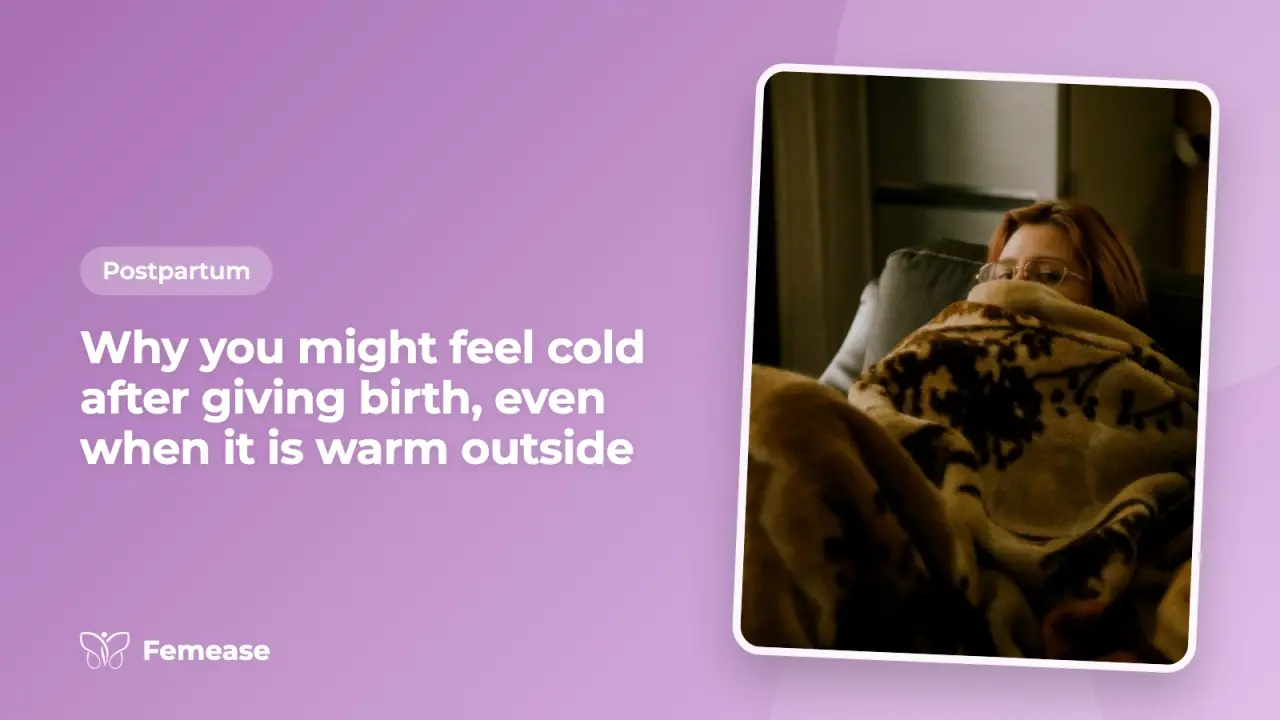
In short: Feeling cold or shivery in the weeks after birth is common. Falling hormones, blood loss, tiredness and sometimes a thyroid change after pregnancy can all make you feel cold, even in summer. Get checked the same day if the chills come with a fever of 38 °C or more or foul-smelling discharge, and go to hospital straight away for heavy bleeding.
Postpartum cold sensitivity is a real experience, and it can catch many new mothers off guard. While most people expect hot flashes or sweating after delivery (thanks to hormonal changes), fewer talk about the shivers, chills, and icy feet that seem to appear out of nowhere, even in the middle of summer.
What is postpartum cold sensitivity?
Postpartum cold sensitivity is the feeling of being unusually cold after childbirth. This sensation can happen during the first few days or even weeks after delivery. You may find yourself layering up, needing hot water bottles, or avoiding fans and air conditioning, even when the weather is warm.
This is not just in your head. It is your body adjusting and recovering from some major internal shifts.
Shivering right after birth
Many women shake or shiver in the first hour or two after giving birth, sometimes so hard their teeth chatter. This is very common, usually harmless, and passes on its own. Ask for a warm blanket, and tell your nurse or doctor if you also feel feverish.
Why do new moms feel cold after birth?
1. Hormonal fluctuations After childbirth, estrogen and progesterone levels drop significantly. These hormones help regulate body temperature. As they fall, your internal thermostat can take a while to settle. Many women get sweats and hot flushes, and some feel cold or shivery instead, even when the room is warm.
2. Blood loss and circulation changes Childbirth often involves blood loss, whether from delivery or a C-section. Less blood can mean lower circulation and colder extremities. It takes time for your body to rebuild blood volume and normalize circulation again.
3. Fatigue and sleep deprivation Let us face it, sleep is a luxury during the postpartum weeks. Exhaustion can mess with your body temperature regulation. When your body’s overworked and under-rested, it tends to conserve energy in strange ways, like making you feel chilly.
4. Thyroid fluctuations (postpartum thyroiditis) Some women experience temporary thyroid dysfunction after giving birth. It often starts with an overactive phase in the first few months, when you may feel hot, restless or have a racing heart, and can then swing the other way. An underactive thyroid (hypothyroidism) can cause cold sensitivity, fatigue, and mood changes. If you are consistently cold and feel sluggish, it is worth asking your doctor to check your thyroid levels.
5. Emotional and nervous system changes The nervous system, especially the autonomic part that controls things like body temperature and heart rate, is deeply affected by the stress of childbirth. Anxiety, postpartum depression, or simply being on edge, can also make you more sensitive to sensations like cold.
When should you be concerned?
If you are just feeling a bit chilly here and there, it is likely normal. But if you experience persistent chills, cold intolerance, fatigue, hair thinning, low mood, or irregular heartbeat, it could be something more, like postpartum thyroiditis or anemia.
Always speak with your healthcare provider if something feels off. It is better to ask than to silently struggle.
How to cope with feeling cold postpartum
- Layer up smartly: Keep soft socks, sweaters, and a cozy blanket nearby, especially for nighttime nursing sessions.
- Stay hydrated: Dehydration can worsen circulatory issues. Drink plenty of warm water.
- Eat warm, nourishing foods: Think soups, stews, and nutrient-rich broths that help support circulation and recovery.
- Move gently: Light walks and postpartum-friendly stretches help improve circulation.
- Check your iron and thyroid levels: Fatigue and sensitivity to cold are common signs of deficiency or dysfunction.
- Be kind to yourself: Your body is doing an incredible amount of work to recover. Do not brush off what you are feeling.
When to see a doctor
Get medical care the same day if you have any of these after delivery:
- A fever of 38 °C or more
- Chills along with a fever
- Foul-smelling discharge from the vagina
Go to hospital straight away if you have any of these:
- Very heavy bleeding, such as soaking a pad in an hour, or passing large clots
- A painful, red, swollen calf
- Breathlessness or chest pain
- A severe headache, blurred vision, or sudden swelling of your face or hands
These can be signs of an infection, a blood clot, heavy bleeding or high blood pressure after birth (postpartum pre-eclampsia), and they need treatment quickly. In an emergency, call 112 or go to the nearest emergency department straight away.
It can be unsettling to feel like your body is not your own after birth, but that is the reality for many new mothers. Feeling cold postpartum does not mean you are weak or sick; it means your body is recalibrating.
With the right care, warmth, and rest, the chills will pass. Until then, wrap yourself in comfort, literally and emotionally.
Want a doctor's view? Talk to a gynaecologist on Femease.
Questions women ask
Is it normal to feel cold after giving birth?
Yes. Many new mothers feel cold or shivery, especially in the first few weeks, as hormones, blood volume and sleep settle.
Why am I always cold after pregnancy?
If it lasts beyond about 6 weeks, or comes with tiredness, hair thinning or low mood, ask your doctor to check your thyroid and iron levels.
Why do women shiver after delivery?
Many women shake or shiver in the first hour or two after giving birth, sometimes so hard their teeth chatter. It is very common, usually harmless and passes on its own. Ask for a warm blanket, and tell your nurse or doctor if you also feel feverish.
Is feeling cold after a C-section normal?
Yes. Feeling cold after a C-section or a normal delivery is common, as your body recovers from blood loss and big hormone changes. Keep warm, rest and eat warm, nourishing food. See a doctor the same day if you have a fever, chills with fever, or a red, painful wound. Go to hospital straight away for heavy bleeding, breathlessness, chest pain or a painful, swollen calf.
General information, not medical advice. Talk to a doctor about your own health.
Talk to a doctor about your recovery after birthKeep reading in the Femease app
Save articles, track your cycle or pregnancy, and talk to a doctor when you need one.
Keep reading
Postpartum care
Postpartum care: what to expect after giving birth, from physical recovery, rest, food and pelvic floor care to your emotions and asking for help.
Hair loss, skin changes & nail woes after birth
Hair fall after pregnancy? Learn why postpartum hair loss, skin changes and weak nails happen, when they usually settle, and when to see a doctor.
Night sweats and hot flashes after birth: what's normal
Soaking sheets at night or suddenly hot after delivery? Why your temperature swings postpartum, how long it lasts, and when to call your doctor.
Menstrual cycle and immunity
Catch a cold before your period? Learn how your immune system changes in each phase of your menstrual cycle, and simple ways to look after yourself.
Why is my hairline growing a fringe? The truth about postpartum regrowth
From unexpected baby bangs to patchy hairlines, here’s what to expect and how to deal.
Postpartum food aversions and cravings: why they happen
Can't stand foods you used to love, or craving sweets after delivery? How hormones, breastfeeding and sleep shape your appetite, and what helps.
