Why is my hairline growing a fringe? The truth about postpartum regrowth
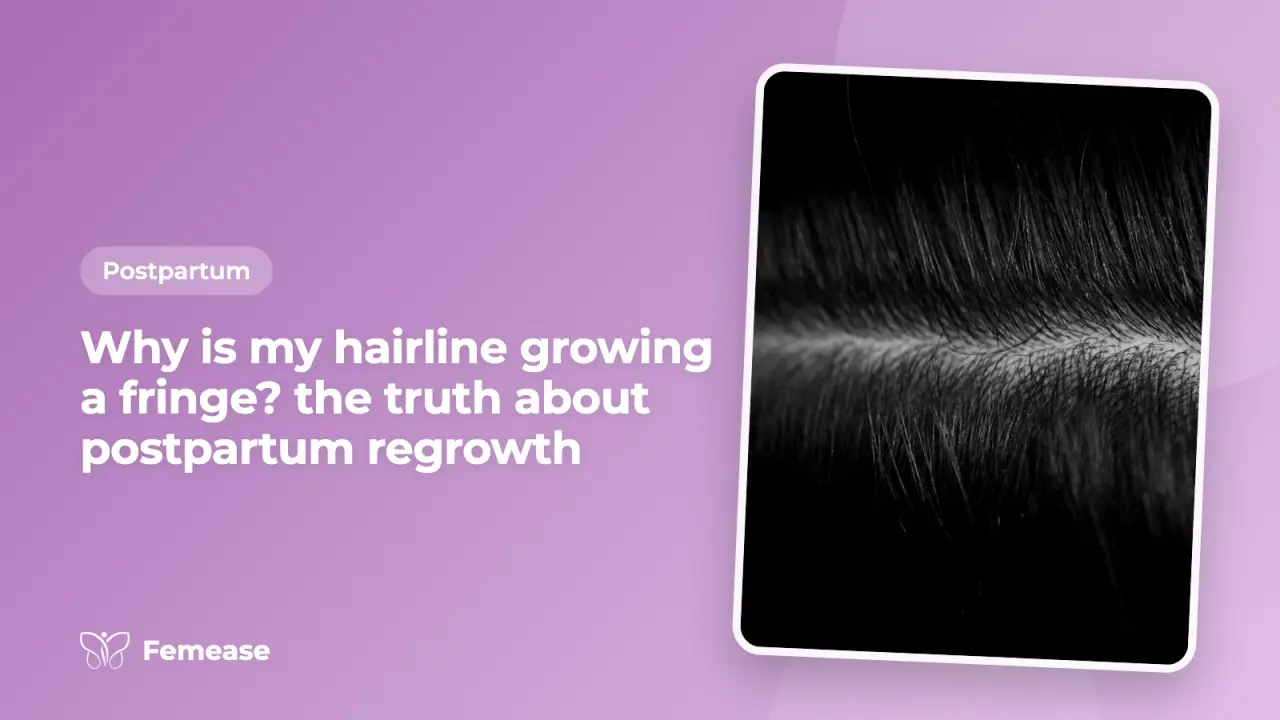
In short: Short, wispy hairs sticking up along your hairline a few months after delivery are new hair growing back. After birth, hormones settle and a lot of hair sheds at once, often around 3 to 5 months postpartum. Once the shedding slows, regrowth starts at the hairline and temples, and these baby hairs can look like an uneven fringe. This is normal and temporary. If shedding is still heavy after a year, or you see bald patches, see a doctor or dermatologist.
“Is this normal?” That is the question most new moms whisper to themselves while staring in the mirror at their hairline six months postpartum. The shedding may have slowed down (thankfully), but in its place? Frizzy flyway, uneven tufts, and those infamous "baby bangs, "tiny regrowth that stand upright like little sprouts refusing to be tamed.
Welcome to the awkward but very real phase of postpartum hair regrowth. You are not alone, and yes, this is a normal experience.
The reality of postpartum hair loss
During pregnancy, high estrogen levels put your hair in a prolonged growth phase. Your locks feel fuller, shinier, and thicker. But around 3-5 months postpartum, as hormones recalibrate, all that hair that did not shed during pregnancy begins to fall out, often all at once. It is called telogen effluvium, and for many, it feels dramatic and never-ending.
But here is what most people do not prepare you for: Once the shedding stops, the regrowth starts, and it is a journey of its own.
Say hello to baby bangs and patchy regrowth
Those wispy hairs around your forehead and temples? They are new growth. While it is a sign your body is healing and your hair cycle is resetting, it does not look great.
- They stick up. No matter how you style them.
- They curl weird. Especially in humidity.
- They mess with your part. Your usual styling tricks might not work.
- They do not blend in. Until they are a few inches long, they stand out.
It is like growing out bangs you never asked for.
What you can do: Realistic hair tips for the transition
You cannot rush hair growth. But you can survive this stage with a little patience and some strategic hair care.
1. Switch up your part
Changing your part to a zig-zag, side-sweep, or even a soft middle can help mask the shorter regrowth.
2. Use a light-hold styling cream or edge tamer
This helps lay down those stubborn flyaways without making your scalp greasy.
3. Embrace accessories
Wide headbands, soft scarves, and claw clips are back in style for a reason. Bonus: They double as lifesavers during regrowth stages.
4. Nourish from the inside out
Focus on a nutrient-rich diet with iron-rich foods, protein, and plenty of fruits and vegetables. If you think you may need a supplement, ask your doctor.
5. Go easy on the heat
Frequent blow-drying or flat-ironing can damage fragile new strands. Use heat sparingly and always apply a protectant.
Just like your postpartum body, your hair is going through recovery and renewal. It is adjusting to your new hormone levels, sleep patterns (or lack thereof), and even stress. The weird baby bangs are a sign that your body is still working, still healing, and still growing_._
You might not feel your most confident when your hairline looks like a toddler gave you a fringe. But this stage is temporary. In six more months, those tufts will become layers. In a year, they will blend back into your style. And someday, you will look back and laugh at the hair photos just like you do the messy bun days of new motherhood.
Questions women ask
Why is my hairline growing a fringe after pregnancy?
Those short hairs are new growth after postpartum hair shedding. They start at the same time, so they stand up together along your hairline and temples like a fringe. As they grow longer, they blend back in.
Is postpartum hair loss at the hairline normal?
Yes. Many mothers notice thinning at the temples and hairline a few months after birth. This shedding is called telogen effluvium and usually settles on its own as hormones balance out.
How long does postpartum regrowth take to blend in?
It takes time. Over the next several months the short hairs get longer, and within about a year most blend back into your usual hair. Be patient and gentle with these fragile new strands.
How can I manage baby hairs along my postpartum hairline?
Try changing your parting, use a light hold styling product to smooth flyaways, and wear soft headbands or scarves. Use less heat, eat enough protein and iron-rich foods, and avoid tight hairstyles.
When should I see a doctor about postpartum hair loss?
See a doctor or dermatologist if shedding is still heavy a year after birth, if you notice round bald patches, or if you also feel very tired, cold or low, as thyroid problems and low iron can cause hair loss.
General information, not medical advice. Talk to a doctor about your own health.
Talk to a doctor about your recovery after birthKeep reading in the Femease app
Save articles, track your cycle or pregnancy, and talk to a doctor when you need one.
Keep reading
The truth about pregnancy after 40 weeks
Understanding late-term pregnancy, what is normal, what is not, and how to navigate the final stretch with confidence

The truth about "pregnancy glow"
Why some women break out, get pigmentation, or don’t feel glowing at all
Postpartum care
Postpartum care: what to expect after giving birth, from physical recovery, rest, food and pelvic floor care to your emotions and asking for help.

Does prenatal stress alter a baby’s brain development?
Understanding the impact of stress during pregnancy and how to protect your baby’s growing mind
Breast size and shape changes after weaning
No one prepares you for the deflation, asymmetry, or “empty sock” feeling.
Feeling cold after giving birth? Here's why
Chills and cold feet after delivery are common, even in summer. Why your body feels cold postpartum, what helps, and when to see a doctor.
