Breast size and shape changes after weaning
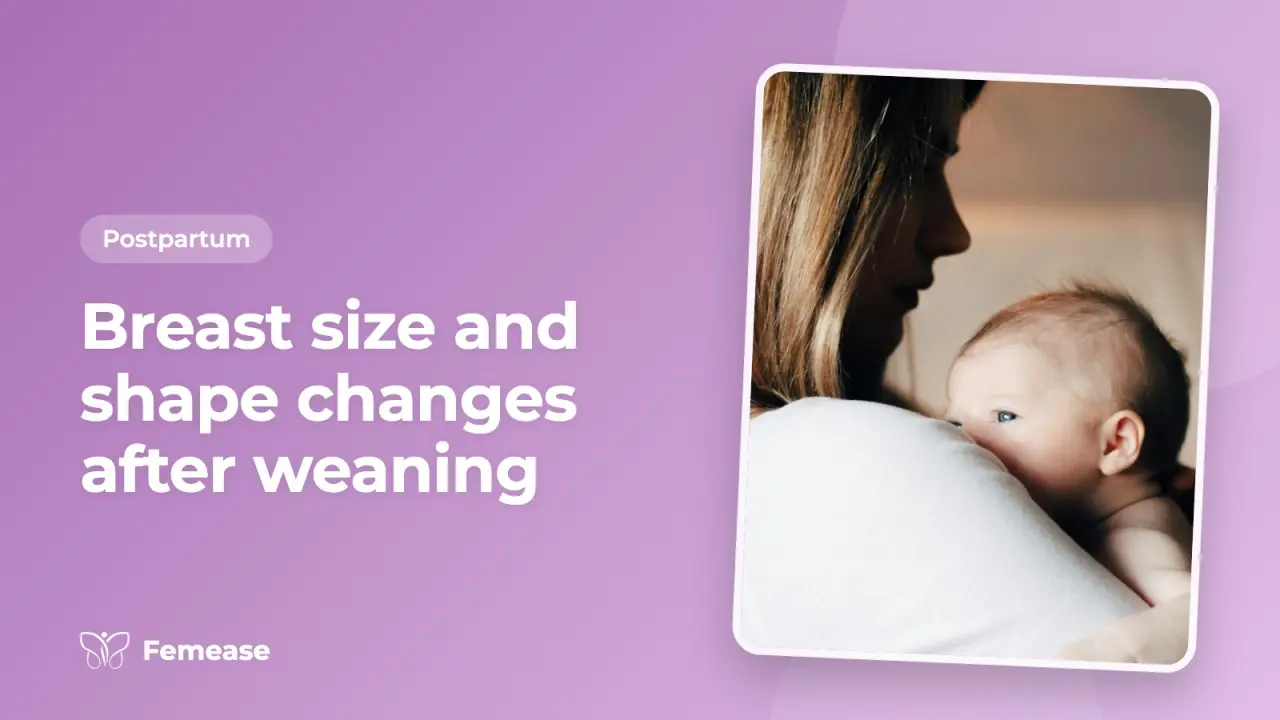
In short: Yes, breasts often get smaller, softer and a little saggy after you stop breastfeeding. Once milk production ends, the milk-making tissue shrinks, and the skin that stretched may stay looser. Some women regain a bit of fullness over several months as hormones settle, while for others the change is lasting. This is normal and not damage. See a doctor if you notice a lump that does not go away, skin dimpling, pain or nipple discharge long after weaning.
No one talks about the goodbye phase. You expect sleepless nights, sore nipples, and messy let-downs during breastfeeding, but the changes after weaning? That is a whole different story. Many moms describe it as waking up to a body that feels unfamiliar again. Suddenly, your breasts feel softer, smaller, or oddly shaped. Like "empty socks," some say. Others whisper about the dreaded "deflation." But you are not alone, and you are not broken.
Why do breasts change after weaning?
During breastfeeding, your milk ducts are full and active, stretching the skin and tissue. The hormone prolactin keeps your breasts full and firm. Once you stop breastfeeding, your body stops producing milk, and the glandular tissue begins to shrink. What is left is a mix of fatty tissue, skin, and structure, which does not always bounce back the way it was before.
The result?
- Smaller breast size
- Softer texture
- Possible asymmetry
- A saggy or "deflated" appearance
It is your body transitioning, and it is doing exactly what it is supposed to.
Common breast changes after weaning
“Empty sock” feeling The skin may feel looser because it was stretched during lactation. When the milk goes away, there is less volume, leaving a hollow or deflated appearance.
Size fluctuation Some women go down a full cup size (or more). Breasts may appear flatter or less perky, especially if you had a larger supply or nursed for a longer time.
Asymmetry It is common for one breast to look bigger or have a different shape than the other, especially if your baby preferred one side while nursing.
Loss of Firmness Less glandular tissue means less structure. Breasts naturally lose their firmness with age, and weaning accelerates this.
Is this permanent?
Not always. For some, the breasts gradually regain a bit of volume and firmness as hormonal levels stabilize. For others, the changes may be more permanent, especially if you nursed multiple children or were pregnant for several years in a row.
How your body responds depends on:
- Age
- Genetics
- Skin elasticity
- Duration of breastfeeding
- Number of pregnancies
It is helpful (but hard) to remember: change does not mean damage.
The emotional side of breast changes
These changes are not just physical; they are emotional, too. Your breasts may have felt like a source of power and purpose during breastfeeding. Once that chapter closes, the shift can feel like a loss.
You might feel:
- Disconnected from your body
- Insecure about intimacy
- Unsure of your post-baby identity
It is okay to grieve. But also, try to remember: your body just finished something incredible. It nurtured life.
What can help?
Supportive bras Post-weaning is the time to get remeasured and invest in well-fitted, supportive bras. Avoid underwires until your tissue settles.
Gentle exercise Strengthening chest muscles (like with push-ups or light weights) can help improve posture and breast support, but will not reverse sagging.
Hydration + moisturizing Massaging your breasts with nourishing oils, like the warm coconut or almond oil many Indian mothers use after childbirth, keeps the skin soft and comfortable, though no oil or cream can firm or lift the breasts.
Patience It takes months even for your body to find its new normal. Give it grace.
When to see a doctor
If you notice:
- Pain
- Lumps that do not go away
- Skin changes (redness, dimpling)
- Nipple discharge long after weaning
Always get checked by your healthcare provider. It is likely normal, but peace of mind matters.
We do not talk enough about what happens to breasts after weaning. It is not glamorous. It is not often shared in Instagram highlight reels. But it is real.
The truth is, your body evolves with every chapter of motherhood. And while your breasts may look different, they also tell a story of nourishment, bonding, and immense strength.
You are still you. You are still beautiful. And you are not alone.
Questions women ask
Do breasts shrink after you stop breastfeeding?
Usually, yes. The glands that made milk shrink once you stop, so many women find their breasts smaller, flatter or softer than during or even before pregnancy. Age, genes, skin elasticity, how long you fed and how many pregnancies you have had all play a part.
How long after weaning do breasts return to normal?
It takes a few months for your body to find its new normal. Some women see a little volume and firmness come back as hormones settle, but breasts may not return exactly to their pre-pregnancy shape, and that is okay.
Why is one breast bigger than the other after breastfeeding?
It is common, especially if your baby preferred one side. That breast may have made more milk and stretched more. Some unevenness can stay after weaning and is usually harmless.
What helps breasts after weaning?
Get measured for a well-fitted, supportive bra, do gentle chest exercises to improve posture and support, and moisturise your skin. Exercise will not undo sagging, but it can help you feel stronger. Be kind to yourself, your body has done something big.
When should I see a doctor about breast changes after weaning?
Get checked if you feel a lump that does not go away, have pain, notice redness or dimpling of the skin, or see nipple discharge long after you stopped feeding. Most changes are normal, but a check gives peace of mind.
General information, not medical advice. Talk to a doctor about your own health.
Talk to a doctor about your recovery after birthKeep reading in the Femease app
Save articles, track your cycle or pregnancy, and talk to a doctor when you need one.
Keep reading
Menstrual cycles and breast health
Sore or lumpy breasts before your period? Learn which breast changes are normal in your cycle, red flags to watch for, and how to do a self-exam.
Breast pain reason: why it happens and when to worry
Why breasts hurt before periods, in pregnancy, while breastfeeding and in perimenopause, what helps at home, and when breast pain needs a doctor.
Personalized nutrition: Why “healthy” isn’t one-size-fits-all
Discover how personalized nutrition helps you eat for your unique body, metabolism, and lifestyle.
Breast lump: common causes, symptoms and what to do next
Most breast lumps are not cancer, but every new lump needs a check. Common causes, warning signs, lumps after delivery, and how doctors test.
How hypervigilance impacts a new mom’s rest and mental health
The hidden toll of always checking if the baby’s okay, why it is more than just “being careful.”
Why is my hairline growing a fringe? The truth about postpartum regrowth
From unexpected baby bangs to patchy hairlines, here’s what to expect and how to deal.
