Personalized nutrition: Why “healthy” isn’t one-size-fits-all
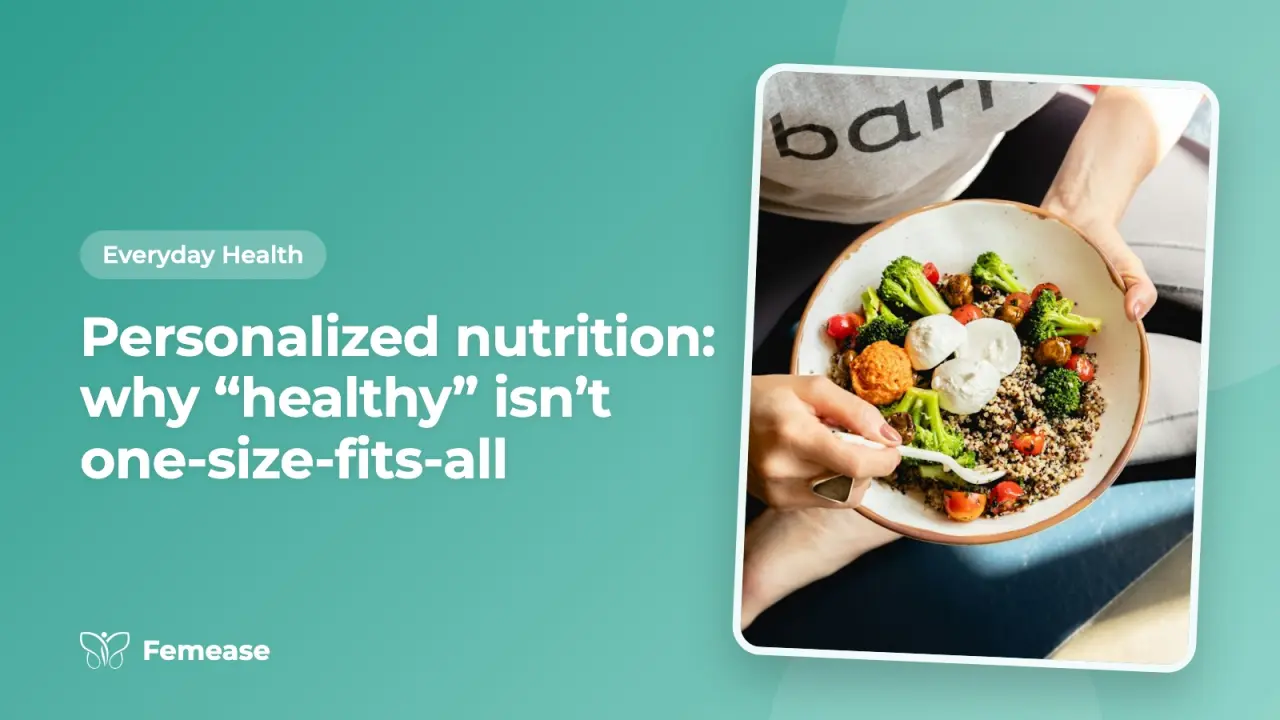
In short: Personalised nutrition means eating in a way that suits your own body instead of following one diet for everyone. Your genes, gut bacteria, age, activity, hormones and health conditions like PCOS or thyroid problems all change what works for you, and two people can react very differently to the same food. Start by noticing how meals affect your energy, digestion and mood. For a proper plan, see a qualified dietitian, and a doctor if you have a health condition.
Ever followed a popular diet your friend swears by, only to feel bloated, drained, or no different at all? You are not alone. In a world full of superfoods, trending meal plans, and influencer-endorsed diets, it is easy to think there is a universal formula for health. But here is the truth: what is “healthy” for one body might not work for another.
That is where personalized nutrition comes in, a growing science-backed approach that acknowledges one powerful fact: you are unique.
Why one-size-fits-all nutrition does not work
We have long been told to eat more greens, avoid sugar, drink more water, and follow standard calorie counts. But here is the thing, nutritional needs vary widely from person to person, based on factors like:
- Genetics
- Gut microbiome
- Lifestyle and activity level
- Age and gender
- Existing health conditions
- Hormonal balance
Imagine a 28-year-old woman managing PCOS and an athletic 45-year-old man trying to improve heart health. Should they eat the same way? Not.
Even something as common as a banana might be great for one person’s digestion but spike another person’s blood sugar.
What is personalized nutrition?
Personalized nutrition uses data about your body, through blood tests, DNA analysis, wearable trackers, symptom logs, and even AI, to design a plan that fits you like a tailored suit.
Think of it as:
- Nutrition that supports your metabolism
- A diet plan that respects your hormonal health
- Meal timing that aligns with your sleep-wake cycle
- Foods that reduce your specific inflammation triggers
Whether it is Ayurveda-inspired personalization or modern genomic testing, the goal is the same: to nourish you, not the average person.
Real-life proof: Same food, different response
People can have very different blood sugar responses to the same foods, like bread or rice. This explains why one person can eat white bread and feel fine, while another gets an energy crash within an hour.
Similarly, your gut bacteria may thrive on legumes while someone else’s microbiome rebels against them.
So, even if two people are eating “healthy,” only one may truly benefit.
Why personalized nutrition matters more today
With rising chronic illnesses, hormonal imbalances, food intolerances, and stress-related digestive issues, personalized nutrition is more than a wellness trend; it is a necessity.
People today are:
- Battling fatigue despite clean eating
- Gaining weight on calorie-restricted diets
- Struggling with acne or PCOS despite "healthy" meals
- Feeling anxious or bloated without clear triggers
If this sounds familiar, you do not need to eat less; you need to eat smarter based on your body’s needs.
How to start your personalized nutrition journey
You do not have to jump straight into DNA kits or expensive trackers. Begin with small, mindful steps:
Track how your body feels after different meals Notice patterns with sleep, digestion, and mood Consult a nutritionist who offers individualized plans Use wearable devices to monitor activity, sleep, and stress Explore Ayurveda or a whole-person approach with a qualified practitioner for deeper personalization
Over time, you will stop copying diet fads and start building your nutrition blueprint_._
Health is not just about fitting into jeans or eating salads; it is about feeling balanced, energized, and well in your skin. Personalized nutrition does not just tell you what to eat. It asks: Who are you? What do you need?
And that is a question no generic meal plan can answer.
Questions women ask
What is personalised nutrition?
It is an eating plan built around your body, health, lifestyle and goals rather than a general diet chart. It can use simple food and symptom diaries, blood tests and advice from a qualified dietitian.
Why don't popular diets work for everyone?
Our bodies differ in genes, gut bacteria, hormones, activity and health conditions. A diet that suits your friend may leave you bloated or tired. Strict fad diets are also hard to keep up, so the weight often comes back.
Why does the same food affect people differently?
Research has shown that people's blood sugar can rise very differently after the same food, such as rice or bread. Gut bacteria, sleep, stress, activity and how the meal is combined all play a part.
How do I start a personalised diet plan?
Keep a simple diary of what you eat and how you feel afterwards, including energy, digestion, sleep and mood. Look for patterns, then see a qualified dietitian. If you have PCOS, diabetes or thyroid problems, involve your doctor too.
General information, not medical advice. Talk to a doctor about your own health.
Talk to a doctorKeep reading in the Femease app
Save articles, track your cycle or pregnancy, and talk to a doctor when you need one.
Keep reading

Breast size and shape changes after weaning
No one prepares you for the deflation, asymmetry, or “empty sock” feeling.
Nutrition for postpartum recovery and breastfeeding
What to eat after delivery? Postpartum food basics for recovery and breastfeeding, from warm cooked meals and ghee to laddoos and foods to avoid.

The importance of nutrition during pregnancy
What to eat in pregnancy? Learn the key nutrients you need, like folic acid, iron and calcium, foods to include, and foods to avoid for you and baby.
Why when you eat is just as important as what you eat
Understanding your body’s internal clock could be the key to better metabolism, weight management, and long-term health
The myth of detox juices: Why your liver needs nutrients, not starvation
Discover how your body truly detoxifies and what it actually needs to stay healthy.
Feeding your gut or fighting it?
Learn how trace antibiotics in your diet are impacting your gut flora, and what you can do today to restore balance.
