Why when you eat is just as important as what you eat
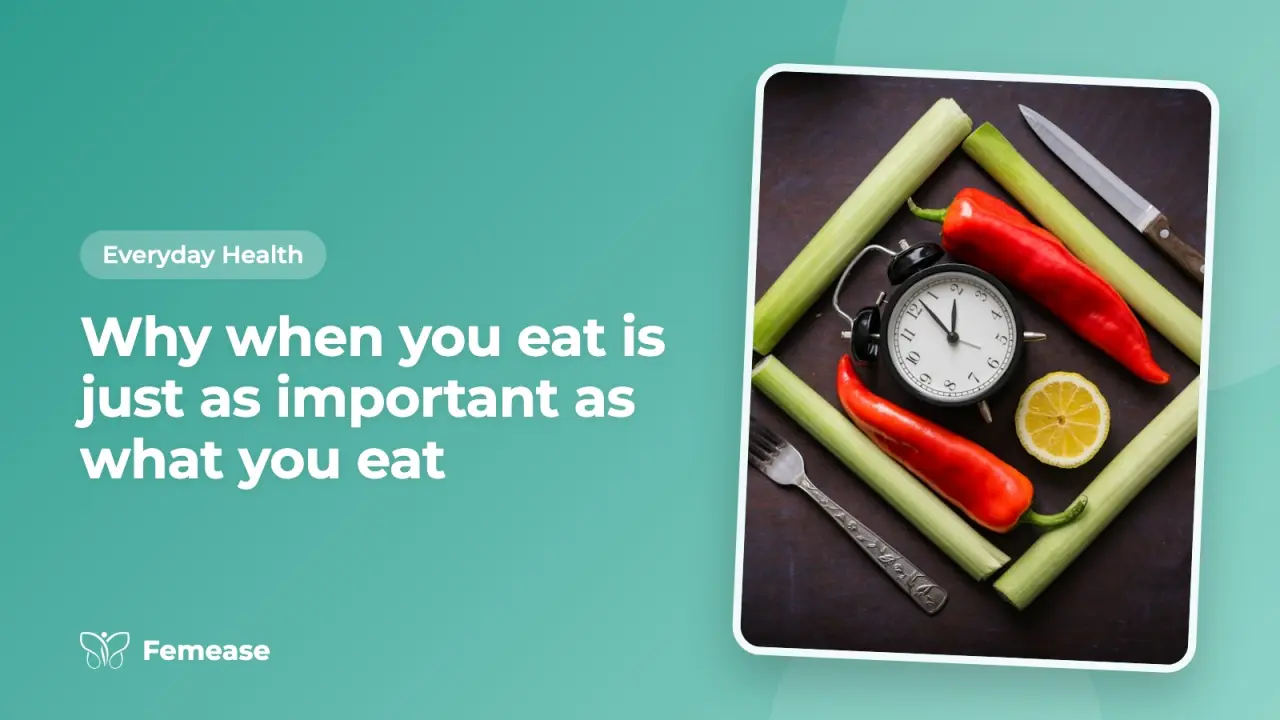
In short: When you eat matters as well as what you eat, because your body clock makes digestion and blood sugar control work best in the daytime. Eating heavy meals late at night can upset digestion and sleep and may make weight gain more likely. Try eating your bigger meals earlier, a light dinner two to three hours before bed, and keeping a regular routine most days. If you have diabetes, ask your doctor before changing meal times.
You eat clean, you try to avoid sugar, maybe even hit the gym a few times a week. Yet somehow, the weight does not budge, or worse, your energy levels swing like a pendulum. If this sounds familiar, the problem might not be what you are eating, but when you are eating it.
Welcome to the world of meal timing, a rising star in the world of metabolic health.
The science of your body clock
Every human body runs on a 24-hour internal clock known as the circadian rhythm. It does not just govern your sleep; it regulates nearly every system in your body, including digestion, hormone release, and metabolism.
Your digestive system, for instance, is most active during the day and begins to “slow down” as evening approaches. Eating late at night, when your body is preparing for rest, can confuse this rhythm, leading to poor digestion, insulin resistance, and weight gain over time.
In other words, eating at the wrong time can work against your metabolism, even if you are eating healthy food.
What happens when you ignore meal timing?
Let us say you skip breakfast, eat a rushed lunch around 3 PM, and have your largest meal at 10 PM while watching Netflix. This irregular eating pattern not only spikes your blood sugar but also signals your body to store fat instead of burn it.
Regular late-night eating has been linked with higher risks of obesity, Type 2 diabetes, and even cardiovascular issues. On the flip side, people who eat more of their calories earlier in the day (especially breakfast and lunch) tend to have better metabolic outcomes.
The power of eating in sync with the sun
Here is a concept that is gaining traction: time-restricted eating, also known as early time-restricted feeding (eTRF).
This simply means you eat your meals within a specific window of time, typically during daylight hours. Think:
- Breakfast between 7–9 AM
- Lunch between 12–2 PM
- Dinner by 6–7 PM
This aligns your food intake with your body’s natural metabolic peak and rest phase, allowing digestion, insulin sensitivity, and fat metabolism to work more efficiently.
You do not need to fast for 16 hours or follow rigid schedules to see the benefits. Even modest changes, like eating dinner two hours earlier, can make a difference.
A balanced example: A realistic daily meal plan
7:30 AM — Warm water + balanced breakfast Think oats, nuts, chia seeds, and fruit
12:30 PM — Protein-rich lunch A good mix of vegetables, whole grains, and healthy fats
6:30 PM — Light dinner Something warm, easy to digest, like soup, khichdi, or steamed veggies with dal
8:00 PM onwards — Water or herbal teas only Let your body rest and reset for the night
Life happens. Late meetings, social dinners, stress-eating, we’ve all been there. But the key is to develop a consistent eating rhythm most of the time. Try shifting your main meals to earlier in the day and keeping nights lighter and tech-free. Over time, your body will respond, your digestion will improve, cravings may reduce, and your metabolism will thank you.
Meal timing is not a trendy diet; it is a return to how our ancestors naturally ate, in sync with the sun and their surroundings. As research continues to unfold, one thing becomes clear: when you eat is not just a detail. It is a strategy for long-term wellness.
Questions women ask
What is the best time to eat dinner for digestion?
An early, light dinner, ideally about two to three hours before you sleep, is easiest on digestion. Many people find dinner around 7 pm works well. Soup, khichdi, or dal with vegetables are good choices.
What are the side effects of eating late at night?
Late, heavy meals can cause acidity, bloating and poor sleep, and over time are linked with weight gain and poorer blood sugar control. Eating close to bedtime gives your gut less time to finish its work.
What is time restricted eating?
It means eating all your meals within a set window each day, usually in daylight hours, and only having water or plain herbal tea outside it. It is gentler than long fasts and focuses on when you eat. If you have diabetes, are pregnant or have had an eating disorder, ask your doctor first.
Does meal timing help with weight loss?
It can help. Eating more of your food earlier in the day and less at night may improve appetite, energy and blood sugar. It works best alongside balanced meals, regular activity and good sleep, not on its own.
General information, not medical advice. Talk to a doctor about your own health.
Talk to a doctorKeep reading in the Femease app
Save articles, track your cycle or pregnancy, and talk to a doctor when you need one.
Keep reading

Understanding menopause-induced weight gain
What is happening with metabolism, belly fat, and insulin resistance, and how to work with your body, not against it.

Personalized nutrition: Why “healthy” isn’t one-size-fits-all
Discover how personalized nutrition helps you eat for your unique body, metabolism, and lifestyle.

What happens after menopause?
Post-menopause symptoms, long-term health risks, and how to care for your changing body.

Why tracking your resting heart rate could help you spot illness early
Spot the warning signs days before symptoms hit, your heart rate might be your body’s quietest health alarm.

The first step of digestion we rush through
Learn why slowing down and chewing properly can improve your gut health, nutrient absorption, and overall well-being.

Barefoot living & foot strength
Is walking barefoot good for your feet? Learn how shoes can weaken foot muscles, what barefoot living may do for balance, and how to start safely.
