The first step of digestion we rush through
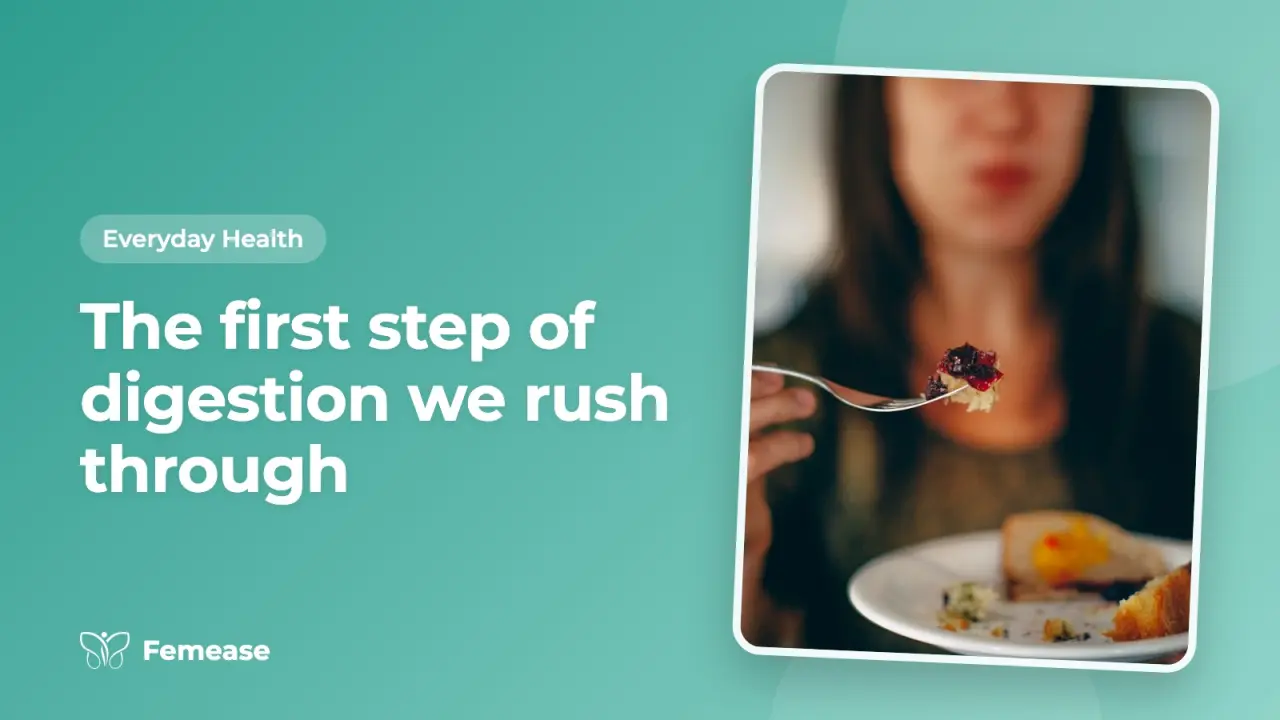
In short: Chewing is the first step of digestion. Chewing each bite well breaks food into small pieces, mixes it with saliva that starts digesting it, and tells your stomach food is coming. Rushing meals can lead to bloating, gas, overeating and discomfort. Put your spoon down between bites, avoid screens and chew until food is soft before swallowing. If bloating or tummy pain keeps coming back, see a doctor.
How often do you truly chew your food, like, really chew it? In our fast-paced lives, we are constantly eating on the go, rushing breakfasts between meetings, quick lunches in front of screens, and dinners that often feel like one last task before bed. Chewing, the first step in digestion, is something we all do, but rarely think about. Yet this simple act plays a powerful role in our overall health.
Why chewing matters more than you think
Chewing is not just about making food easier to swallow; it is a critical part of digestion. When we chew thoroughly, we:
- Break food into smaller pieces for easier processing in the stomach.
- Activate enzymes in saliva, like amylase and lipase, that begin digesting carbs and fats right in the mouth.
- Send signals to the gut that food is coming, preparing the digestive organs to do their job efficiently.
In short, chewing well sets the tone for everything that comes next in your digestive journey.
What happens when you do not chew enough?
Most of us are guilty of wolfing down our meals. Maybe it is out of habit, maybe it is stress, or maybe we just do not know better. But here is what happens when we skip over this essential first step:
- Bloating and gas: Large food particles ferment in the gut, leading to discomfort.
- Poor nutrient absorption: If food is not broken down properly, your body cannot fully absorb its nutrients.
- Extra burden on your gut: Your stomach and intestines must work overtime to do what your teeth and saliva should have done first.
- Mindless eating: Less chewing often means overeating, since your brain does not have time to register fullness.
Why do we rush through meals?
Most of us are not chewing less because we are rebellious; we are just busy. We eat in traffic, at our desks, between Zoom calls. Chewing slowly feels like a luxury, not a necessity. But here is the reality: poor digestion is often tied to how we eat, not just what we eat.
Simple ways to chew better (without changing your whole life)
You do not need to become a monk to chew better. Start with these small, mindful changes:
Put down your fork between bites. It naturally slows your pace. Count your chews. Aim for 15–30 chews per bite, depending on the food. Avoid multitasking. Even just 10 undistracted minutes with your meal helps. Start with one meal a day. Build the habit slowly and sustainably.
Chewing & gut health: A deeper connection
Eating slowly helps you feel full sooner and digest more comfortably, and many people find it eases bloating and acidity.
Your gut is not just a food processing machine; it is deeply connected to your mood, immunity, and even brain health. Chewing is your first line of support for this complex, powerful system.
Chewing your food properly is one of the most underrated health habits. It is free, simple, and incredibly effective. The next time you sit down to eat, even if it is just a sandwich in the car, pause, take a breath, and give your body the time it needs to do what it does best.
Slow down, chew well, and let your gut thank you.
Questions women ask
What are the benefits of chewing food properly?
Chewing well breaks food into small pieces, mixes it with saliva that starts digestion, and tells your stomach food is on its way. It can reduce bloating, help you feel full sooner and make meals more enjoyable.
How many times should you chew food before swallowing?
There is no fixed number. Around 15 to 30 chews a bite is a useful guide, with soft food needing fewer and harder food more. The aim is to chew until the food is soft and mushy before you swallow.
Can not chewing food properly cause bloating?
Yes. Swallowing big pieces and eating fast can trap air and leave food that is harder to digest, which can cause gas, bloating and discomfort. See a doctor if bloating is frequent or comes with pain or weight loss.
How can I slow down while eating?
Put your spoon down between bites, sit at a table instead of eating on the go, and keep your phone away for at least the first ten minutes. Start with one slow meal a day and build the habit.
General information, not medical advice. Talk to a doctor about your own health.
Talk to a doctorKeep reading in the Femease app
Save articles, track your cycle or pregnancy, and talk to a doctor when you need one.
Keep reading
Why distracted eating is wrecking your digestion, and what to do about it
How eating while scrolling, working, or watching TV leads to bloating, overeating, and less satisfaction.

How your skin barrier affects your whole health
Your skin isn’t just about looking good, it’s your body’s first line of defense. Here’s how taking care of it strengthens your overall health.

The impact of your sleep position on digestion and circulation
Which side do you sleep on, and why does it matter more than you think
How gut health affects your cycle
Bloating and mood swings with your period? Learn how your gut and hormones are linked, signs your gut may affect your cycle, and ways to support it.

Why you need the calcium-vitamin d-magnesium trio in your 20s and 30s
Learn why calcium, vitamin D, and magnesium are essential in your 20s and 30s for long-term bone strength and overall health.
Why when you eat is just as important as what you eat
Understanding your body’s internal clock could be the key to better metabolism, weight management, and long-term health
