Why distracted eating is wrecking your digestion, and what to do about it
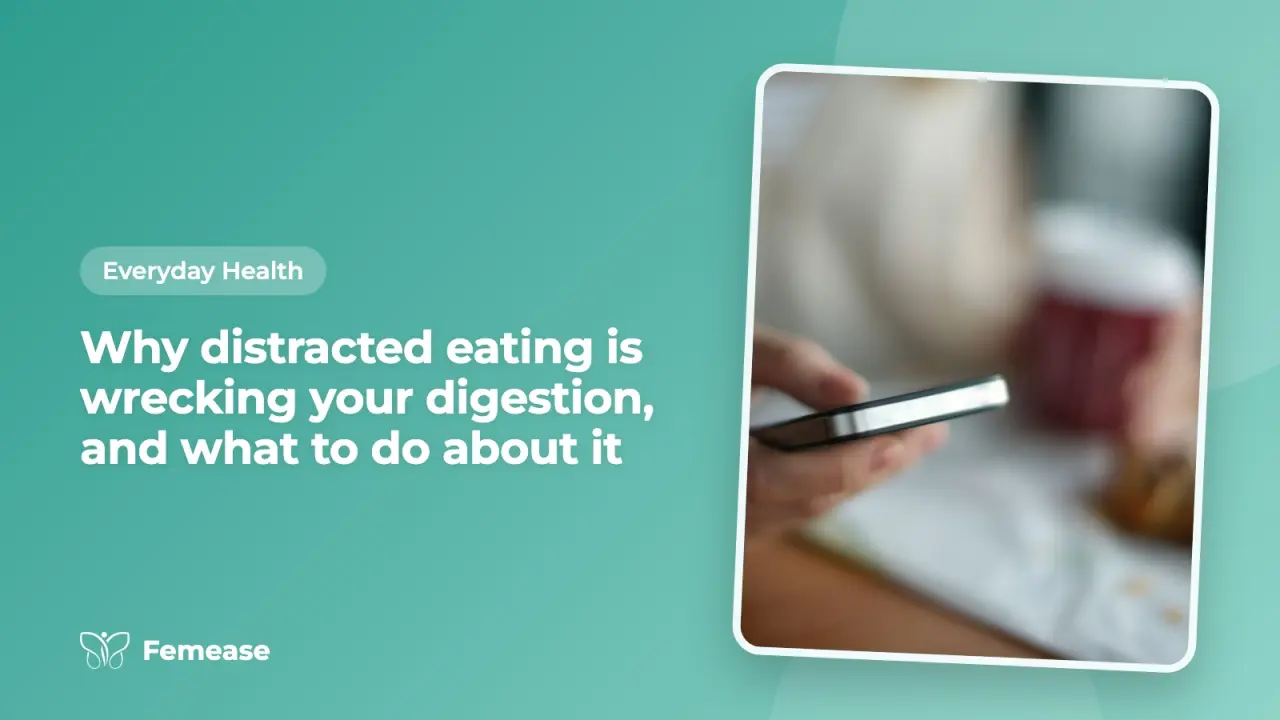
In short: Eating while scrolling your phone or watching TV makes you chew less, eat faster and swallow more air, which can lead to bloating, gas and indigestion. Your brain also misses the signal that you are full, so it is easy to overeat and still feel unsatisfied. Mindful eating simply means giving your meal your attention: sit down, put the screen away for the first ten to fifteen minutes and chew slowly. See a doctor if bloating or tummy pain keeps returning.
Raise your hand if you have ever eaten an entire meal without remembering it. Maybe you were knee-deep in emails, catching up on Netflix, or aimlessly scrolling Instagram. The plate was full one minute, empty the next, and you are left wondering: Did I even taste that?
You are not alone. In today’s hyper-connected world, distracted eating has become the norm. But here is the truth: eating while distracted is not just a harmless habit, it could be the reason you are feeling bloated, tired, and always hungry.
The silent side effects of distracted eating
1. Poor digestion
Digestion starts in your mouth, not your stomach. When you are distracted, you chew less, eat faster, and often gulp down air. This puts stress on your gut, leading to bloating, gas, and indigestion.
Your brain also plays a major role in digestion. When you are focused on something else, it does not fully register that you are eating, which means fewer digestive enzymes are released. It is like expecting your body to do its job with half the instructions.
2. Overeating without realizing it
Many of us eat more when distracted. Why? Because we are not tuned into our hunger and fullness cues. That TV drama or work stress overrides your brain’s natural satiety signals, making it easy to finish the bag of chips, or even go back for more, without feeling full.
3. Less enjoyment from food
When was the last time you truly tasted your food? Eating while distracted robs you of one of life’s simple pleasures. Instead of savoring the flavors, textures, and aromas, meals become background noise. Over time, this can lead to a disconnection from your body, your cravings, and the joy of eating.
What is mindful eating, and why does it matter?
Mindful eating is the simple act of giving your meal your full attention. It is not a diet, and it does not mean eating in silence or chewing 100 times. It is about being present, tuning into your senses, listening to your body, and appreciating your food.
Benefits of mindful eating include:
- Better digestion and nutrient absorption
- Naturally reduced portion sizes
- Stronger awareness of hunger and fullness
- Increased satisfaction and enjoyment from meals
Many people feel better, lighter, and more in tune with themselves after making the shift.
How to start eating mindfully (even if you are busy)
We get it. You are working, parenting, hustling, and food often becomes a pit stop. But a few simple changes can make a huge difference:
- Put down the phone or turn off the screen, just for 10-15 minutes. Let your mealtime be a mini digital detox.
- Take a pause before eating. Notice how your food looks and smells. This triggers the brain to kickstart digestion.
- Chew slowly and intentionally. Put your fork down between bites. Try to eat without rushing.
- Listen to your body. Ask yourself halfway through: Am I still hungry? Am I satisfied?
- Create a calm environment. Even lighting a candle or sitting at the table can elevate the experience.
You are not a robot. Food is not just about calories, it is about connection, nourishment, and care. By breaking the habit of distracted eating, you are not just improving digestion or preventing overeating, you are reclaiming your relationship with food and your body.
So next time you sit down to eat, try giving that moment your full attention. Your body (and your taste buds) will thank you.
Questions women ask
Is it bad to eat while using your phone?
It is not harmful once in a while, but as a daily habit it can lead to eating too fast, overeating and bloating. Your brain is busy elsewhere, so it notices fullness later. Try keeping the phone away for at least part of each meal.
What is mindful eating?
Mindful eating means paying full attention to your food while you eat: noticing how it looks, smells and tastes, chewing slowly and checking in with how hungry or full you feel. It is not a diet and has no strict rules.
Why do I overeat when watching TV?
When your attention is on a screen, you miss your body's fullness signals and keep eating out of habit. You also enjoy the food less, so you may want more later. Serving a set portion on a plate helps.
How can I stop distracted eating?
Eat sitting at a table, turn off the TV and keep your phone away for the first ten to fifteen minutes, pause before you start, and put your spoon down between bites. Start with one screen-free meal a day.
General information, not medical advice. Talk to a doctor about your own health.
Talk to a doctorKeep reading in the Femease app
Save articles, track your cycle or pregnancy, and talk to a doctor when you need one.
Keep reading

Emotional eating vs. Real hunger
Eating when you're not hungry? Learn how to tell emotional eating from real hunger, why it happens, and what you can do instead in the moment.
Overcoming eating disorders
Rediscovering My Body

The impact of your sleep position on digestion and circulation
Which side do you sleep on, and why does it matter more than you think

The first step of digestion we rush through
Learn why slowing down and chewing properly can improve your gut health, nutrient absorption, and overall well-being.

Unintended consequences of low-fat or sugar-free diets
Gut disruption, brain fog, and hormonal imbalance due to artificial sweeteners or lack of good fats.

The hidden impact of shallow breathing on your health
Many people breathe into the chest, not the diaphragm, leading to low oxygenation and chronic tension.
