The hidden impact of shallow breathing on your health
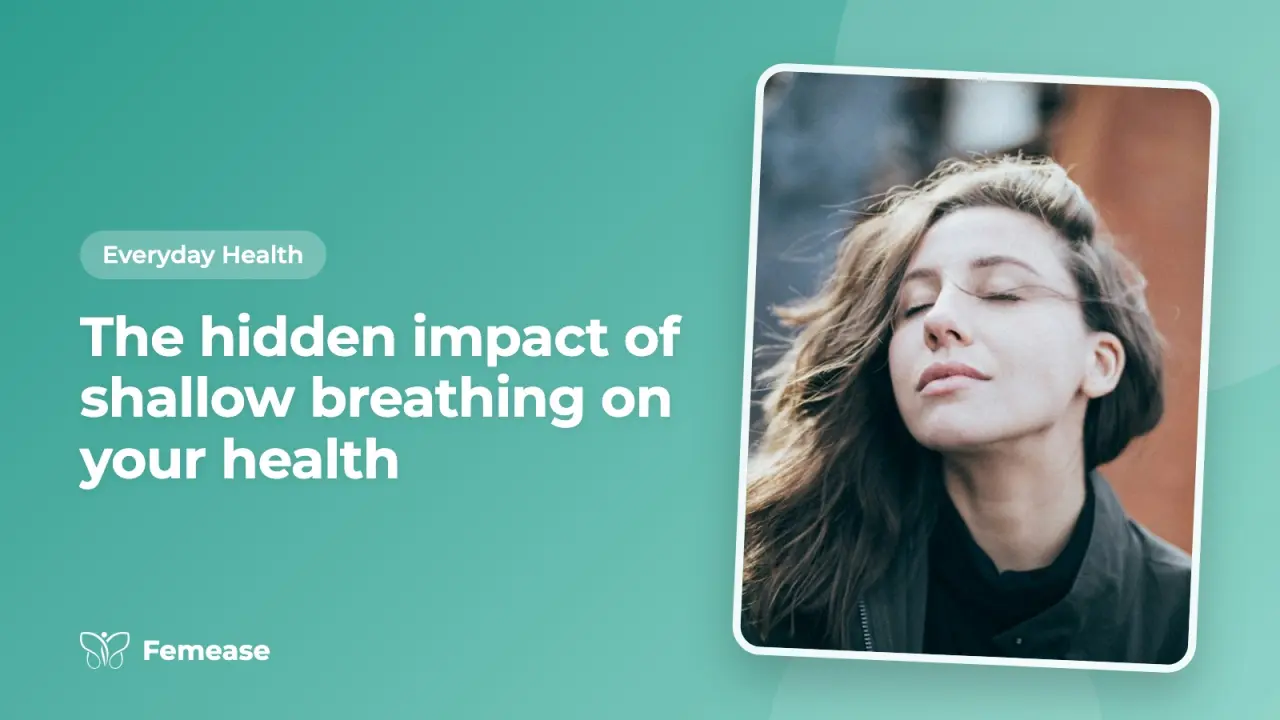
In short: Shallow breathing means taking short, quick breaths from your chest instead of slow, deep breaths that move your belly. It often happens with stress, anxiety, slouching or plain habit. Over time it can leave you tense, tired and more on edge. Slow belly breathing, better posture and regular movement can help. If you have chest pain, feel breathless at rest or cannot catch your breath, go to hospital straight away.
Take a moment and notice how you are breathing right now. Is your chest rising and falling with each breath? If yes, you are not alone, but you are likely shallow breathing. And it might be quietly affecting your energy, mood, and overall health.
In our fast-paced, stress-filled lives, many people have adopted a breathing pattern that favors short, chest-level breaths. It feels normal, but it is not ideal. Shallow breathing limits oxygen intake, triggers the body’s stress response, and can even lead to chronic tension, fatigue, and anxiety.
What is shallow breathing?
Shallow breathing, also known as thoracic breathing, involves pulling minimal air into the lungs by expanding the chest rather than the diaphragm. It typically means shorter, quicker breaths, often unnoticed throughout the day.
In contrast, diaphragmatic or deep breathing involves your belly expanding as your diaphragm pulls down to allow your lungs to fill fully with air.
Why do we breathe shallowly?
There are a few reasons why shallow breathing becomes the norm:
Stress and Anxiety: When we are anxious, our sympathetic nervous system kicks in (the “fight or flight” mode), and our breathing naturally becomes faster and shallower.
Poor Posture: Slouching restricts the diaphragm’s range of motion, especially when sitting for long hours.
Lack of Awareness: Many people simply do not realize how they are breathing throughout the day.
Habit: Over time, our bodies adapt to quick, surface-level breathing as a default, even when we are not in a stressful situation.
The real impact of shallow breathing
Shallow breathing might seem harmless, but it can have surprising long-term effects:
Lower Oxygen Intake: This means your brain and body aren’t getting as much fuel as they need, leading to fatigue and brain fog.
Increased Tension: Your chest, neck, and shoulder muscles take on more work than necessary, often resulting in stiffness or chronic pain.
Elevated Stress Levels: Shallow breathing keeps the body in a heightened state of alert, feeding the anxiety loop.
Poor Sleep Quality: Breathing patterns influence how well your body can wind down at night.
Weakened Core Function: The diaphragm plays a role in core stabilization. When it is underused, your posture and strength can suffer.
How to know if you are a shallow breather
Here is a quick self-check:
Place one hand on your chest and one on your belly and take a few normal breaths.
If the hand on your chest moves more than the one on your belly, you are likely shallow breathing.
5 Simple ways to start breathing better today
The good news? You can retrainyour body to breathe deeply and fully, with just a few conscious shifts.
1. Practice diaphragmatic breathing
Also known as “belly breathing,” this helps activate the diaphragm and improve oxygen flow.
Try This:
- Lie down or sit upright.
- Inhale slowly through your nose, allowing your belly to rise.
- Exhale through your mouth, letting your belly fall.
- Repeat for 2-3 minutes.
2. Set breathing breaks
Every few hours, pause and take 5 deep, slow breaths.
3. Fix your posture
Sit upright with shoulders relaxed and feet flat. A straight spine gives your lungs and diaphragm room to expand.
4. Use breathwork before bed
Guided breathing helps calm the nervous system, preparing the body for restful sleep. Try box breathing (inhale–4, hold–4, exhale–4, hold–4).
5. Move more
Movement naturally encourages deeper breathing. Walk, stretch, or try yoga to improve breath awareness and lung capacity.
Breathing is automatic, but that does not mean we are doing it right. Shallow breathing might seem like a small thing, but over time, it can seriously affect your body and mind.
Start small. Bring awareness to your breath. Sit straighter. Take one deep breath right now. The more you reconnect with your breath, the more energized, focused, and relaxed you will feel, every single day.
Questions women ask
What does shallow breathing mean?
It means breathing mostly with your chest, taking in small amounts of air with short, quick breaths. Your belly barely moves. In deep or diaphragmatic breathing, your belly rises as the diaphragm pulls down and the lungs fill fully.
How do I know if I am a shallow breather?
Put one hand on your chest and one on your belly and breathe normally for a few breaths. If the hand on your chest moves more than the one on your belly, you are probably breathing shallowly.
Why do we breathe shallowly?
Stress and anxiety switch on the body's fight or flight mode, which makes breathing faster and shallower. Slouching for long hours squeezes the diaphragm. For many people it simply becomes a habit they do not notice.
How can I stop shallow breathing?
Practise belly breathing for two to three minutes: breathe in slowly through your nose so your belly rises, then breathe out slowly. Take a few deep breaths every few hours, sit upright with relaxed shoulders, and walk, stretch or do yoga.
When is fast or shallow breathing a sign to see a doctor?
Go to hospital straight away if you suddenly feel short of breath, have chest pain, lips turning blue, fainting, or breathlessness that does not settle with rest. Also see a doctor if breathlessness keeps coming back during normal activity.
General information, not medical advice. Talk to a doctor about your own health.
Talk to a doctorKeep reading in the Femease app
Save articles, track your cycle or pregnancy, and talk to a doctor when you need one.
Keep reading

Why most people are unknowingly low in potassium
The hidden deficiency behind fatigue, bloating & mood swings and how to fix it naturally

Breathe to glow
Can breathing help your skin glow? Learn how deep breathing supports lymph flow, signs your lymph needs support, and a simple breathwork routine.
How hypervigilance impacts a new mom’s rest and mental health
The hidden toll of always checking if the baby’s okay, why it is more than just “being careful.”
The impact of blue light on hormonal health, not just sleep
How screen time disrupts melatonin, cortisol, and reproductive hormones.
Why distracted eating is wrecking your digestion, and what to do about it
How eating while scrolling, working, or watching TV leads to bloating, overeating, and less satisfaction.
Why skipping water in the morning might be draining your energy
Sleep dehydrates the body, and skipping morning hydration can lead to headaches, fatigue, and slower metabolism.
