Overcoming eating disorders
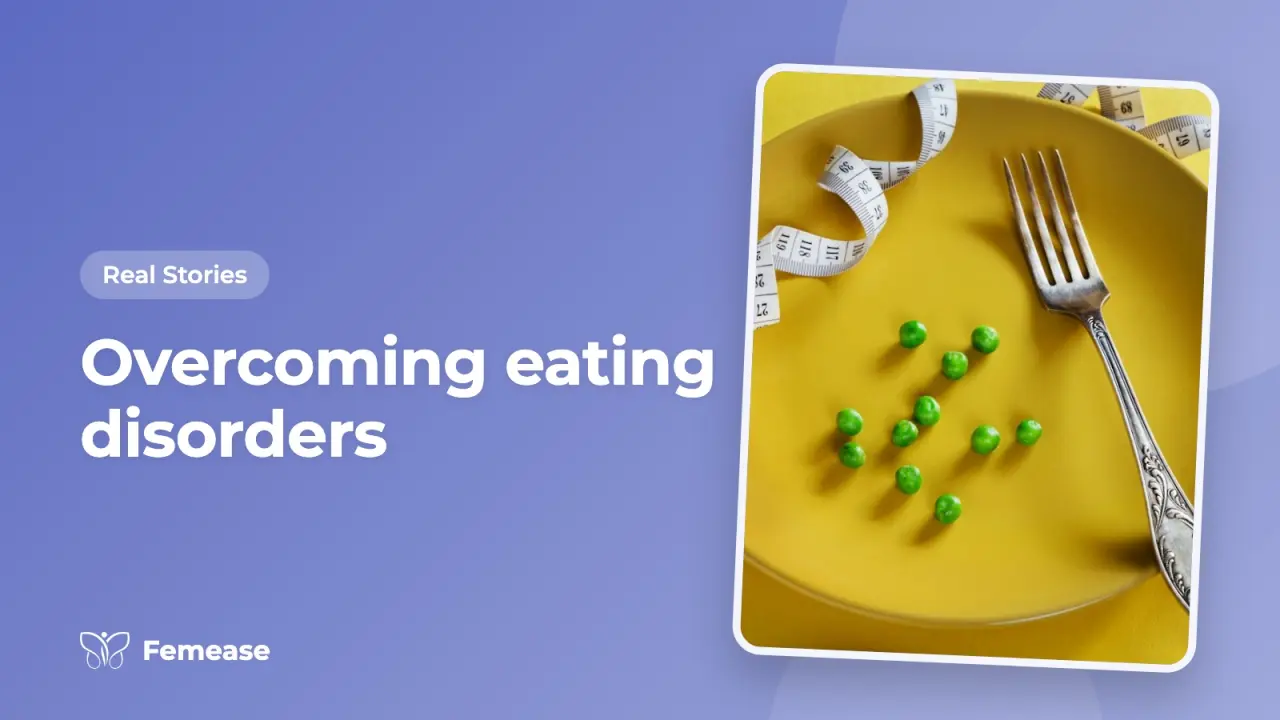
Megha had always been a perfectionist. From a young age, she excelled in academics, sports, and everything she put her mind to. But there was one area where she felt she was constantly failing—her body. Growing up, Megha was surrounded by images of slim, flawless women in magazines, on TV, and on social media. She couldn’t help but compare herself to them, and no matter how hard she tried, she always felt she fell short. By the time she reached college, Megha’s obsession with her weight and appearance had taken over her life.
It started innocently enough—skipping dessert here, cutting down on carbs there. But soon, Megha’s dieting spiraled out of control. She began severely restricting her food intake, counting every calorie, and obsessively weighing herself multiple times a day. The numbers on the scale dictated her mood, her self-worth, and her entire existence. If she gained even a pound, she would punish herself by eating even less or spending hours at the gym. Her life became a cycle of restriction, bingeing, and guilt. No matter how thin she became, it was never enough.
As the months passed, Megha’s health began to deteriorate. She lost a significant amount of weight, her periods became irregular, and she was constantly fatigued. Her hair started to thin, her skin lost its glow, and she felt cold all the time. But despite these alarming signs, Megha refused to believe she had a problem. She convinced herself that she was in control, that she was just being healthy and disciplined. But deep down, she knew something was wrong. She felt trapped in her own body, consumed by an endless cycle of self-hatred and fear.
The turning point came when Megha collapsed during a lecture at university. Her body, weakened by months of malnutrition, could no longer keep up with the demands she was placing on it. She was rushed to the hospital, where doctors diagnosed her with anorexia nervosa, a serious eating disorder that can be life-threatening if left untreated. The diagnosis was a wake-up call for Megha. For the first time, she had to confront the reality of what she had been doing to herself. She realized that her quest for perfection had pushed her to the brink of destruction.
Recovery wasn’t easy. Megha had to unlearn years of harmful beliefs and behaviors. She began working with a team of doctors, therapists, and nutritionists who helped her understand the root causes of her eating disorder and develop healthier ways of thinking about food and her body. The journey was long and painful. There were days when Megha wanted to give up, when the voices in her head telling her she wasn’t good enough were too loud to ignore. But with the support of her family, friends, and treatment team, Megha slowly began to heal.
One of the most challenging aspects of recovery was learning to trust her body again. Megha had spent so long punishing herself that she had forgotten how to listen to her body’s signals. Through therapy, she began to reconnect with her hunger and fullness cues and learned to nourish herself without guilt or shame. She also had to confront the societal pressures that had fueled her eating disorder in the first place. Megha started to challenge the unrealistic beauty standards that had once seemed so important to her and embraced the idea that health and happiness were more important than a number on the scale.
As Megha’s physical health improved, so did her mental and emotional well-being. She discovered a newfound sense of freedom in letting go of her obsession with food and weight. She found joy in activities she had once avoided, like eating out with friends and enjoying her favorite foods without fear. Megha also began to cultivate a more compassionate relationship with herself. She learned to appreciate her body for what it could do, rather than how it looked, and started to celebrate her strengths and accomplishments rather than focusing on perceived flaws.
Today, Megha is in a much healthier and happier place. She still has days when negative thoughts creep in, but she has learned to manage them with the tools and strategies she developed in therapy. Megha’s journey has taught her that recovery is not a linear process, but a continuous path of self-discovery and growth. She has become an advocate for body positivity and mental health, using her story to inspire others who may be struggling with similar issues. Megha’s story is a powerful reminder that recovery is possible, and that true beauty comes from within.
At Femease, we recognize the complex challenges that women like Megha face when it comes to body image and eating disorders. Our holistic approach to wellness includes mental health support, personalized nutrition plans, and resources to help you rebuild a healthy relationship with your body. We’re here to walk with you on your journey to recovery, offering the support and guidance you need to rediscover your strength and self-worth.
General information, not medical advice. Talk to a doctor about your own health.
Keep reading in the Femease app
Save articles, track your cycle or pregnancy, and talk to a doctor when you need one.
Keep reading
Emotional eating vs. Real hunger
Eating when you're not hungry? Learn how to tell emotional eating from real hunger, why it happens, and what you can do instead in the moment.
Why distracted eating is wrecking your digestion, and what to do about it
How eating while scrolling, working, or watching TV leads to bloating, overeating, and less satisfaction.
PMDD (Premenstrual Dysphoric Disorder)
Often mistaken for mood swings, this severe, cyclical condition deserves more awareness and clinical recognition.

Common menstrual disorders
Painful, heavy or missed periods? Learn the signs of common period problems like PCOS, endometriosis, PMS and amenorrhea, and when to see a doctor.
Conquering cancer
Ananya's Fight and Triumph
Motherhood, guilt and rage
Meera's story about postpartum rage
