PMDD (Premenstrual Dysphoric Disorder)
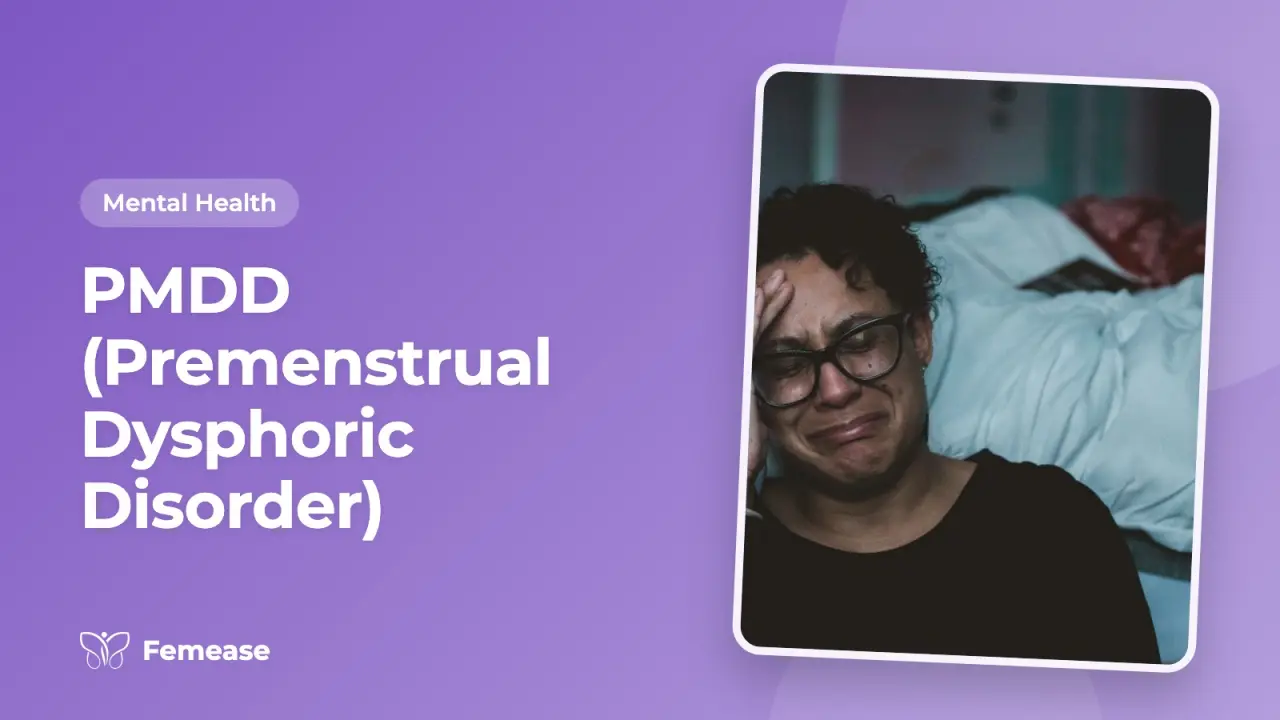
In short: PMDD, or premenstrual dysphoric disorder, is a severe form of PMS. In the one to two weeks before a period, it can bring intense mood swings, deep sadness, anxiety, anger, tiredness and trouble sleeping, which ease soon after the period starts. It is a real medical condition, not just being emotional. If your moods disrupt your work, relationships or daily life every month, see a gynaecologist or mental health professional. If you have thoughts of harming yourself, get help straight away: call Tele-MANAS on 14416 or go to the nearest emergency.
We’ve all heard of PMS, the mood swings, the cramps, the cravings for chocolate that hit like a freight train. But what happens when it is more than just PMS? What if every month, like clockwork, you feel your life is falling apart for a week or two? That is not just “being emotional.” That could be PMDD- Premenstrual Dysphoric Disorder, and it is real, serious, and far more common than you might think.
“I thought I was going crazy.”
That is how a lot of people with PMDD describe it. You are fine for one week, but suddenly you are angry, anxious, crying, panicking, or feeling like everything is meaningless. Some even experience thoughts of self-harm. Then, just as suddenly, the clouds cleared, like someone flipped a switch. That is not just moodiness. It is a hormonal disorder. If you ever have thoughts of self-harm, get help straight away: call Tele-MANAS on 14416 or go to the nearest emergency.
What exactly is PMDD?
PMDD is a severe form of premenstrual syndrome (PMS). It is recognized by the DSM-5 (Diagnostic and Statistical Manual of Mental Disorders).
While PMS can be uncomfortable, PMDD disrupts daily life, relationships, and mental well-being. It often peaks in the week or two before your period and eases once menstruation begins.
Symptoms of PMDD can include:
- Intense mood swings
- Depression or hopelessness
- Anxiety or panic attacks
- Anger or irritability
- Trouble sleeping
- Fatigue or low energy
- Food cravings or binge eating
- Physical symptoms like bloating, breast tenderness, and joint/muscle pain
- Feeling out of control or overwhelmed
- Difficulty concentrating
These symptoms can feel like you are suddenly not yourself, and for many, it’s terrifying.
But why does it happen?
The exact cause is still under research, but here is what we know:
- Hormones are involved, but they are not the whole story. Everyone who menstruates experiences hormonal shifts, but not everyone develops PMDD.
- People with PMDD seem to be more sensitive to normal fluctuations in estrogen and progesterone, especially in the luteal phase (after ovulation).
- There’s also evidence linking PMDD to serotonin imbalance, which affects mood regulation.
So no, it is not in your head. It is in your brain chemistry and body.
How is PMDD diagnosed?
Diagnosing PMDD requires tracking symptoms for at least two menstrual cycles. A healthcare provider may ask you to log your mood, physical symptoms, and daily functioning. The key is timing, symptoms must appear in the luteal phase and resolve shortly after menstruation begins.
You might also be screened to rule out depression, anxiety, or bipolar disorder, which can coexist with PMDD or mimic it.
Can PMDD be treated?
Absolutely. There’s no one-size-fits-all solution, but treatment can make a huge difference.
- Lifestyle changes: Regular exercise, a balanced diet, and sleep hygiene can help.
- Cognitive-behavioural therapy (CBT): Especially helpful for managing emotional symptoms.
- Treatment from a doctor: A doctor can explain the treatment options that suit you.
- Ayurvedic and holistic approaches: Ayurveda traditionally uses herbs and lifestyle adjustments, like a steady daily routine, warm, simple meals and gentle yoga, to ease the days before a period. Results vary, and these work alongside, not instead of, your doctor's care. If you are pregnant, breastfeeding, have a health condition or are on treatment, check with your doctor before taking any herb.
If you feel like your moods hijack your life before your period, please know this: you are not weak, dramatic, or “too sensitive.” PMDD is a legitimate medical condition. Getting help is not just brave, it is necessary.
Too many people suffer in silence, chalking it up to “just PMS.” But suffering does not have to be your norm. Whether you are reading this for yourself or someone you love, know that healing is possible, and support is out there.
Questions women ask
What is PMDD and what are the symptoms?
PMDD is a severe form of premenstrual syndrome. Symptoms include intense mood swings, hopelessness, anxiety or panic, anger, poor sleep, low energy, food cravings, trouble concentrating, and body symptoms like bloating and breast tenderness. They appear after ovulation and fade once the period begins.
What is the difference between PMS and PMDD?
PMS can be uncomfortable, but PMDD is much stronger and disrupts daily life, work and relationships. People with PMDD seem more sensitive to normal hormone changes after ovulation. If you feel like a different person for a week or two every month, it is worth getting checked.
How is PMDD diagnosed and treated?
A doctor usually asks you to track your mood and symptoms for at least two cycles to see if they follow your period. Treatment can include regular exercise, good sleep, balanced meals, talking therapy such as CBT, and other options a doctor can suggest for you. Check with a doctor before taking any supplement.
When is PMDD an emergency?
Get help straight away if you have thoughts of harming yourself or ending your life, feel unable to keep yourself safe, or cannot stop panicking. Call a trusted person, go to the nearest hospital emergency, or call Tele-MANAS, India's free mental health helpline, on 14416. You do not have to wait for your period to pass.
General information, not medical advice. Talk to a doctor about your own health.
Talk to a therapistKeep reading in the Femease app
Save articles, track your cycle or pregnancy, and talk to a doctor when you need one.
Keep reading

PCOS and PMDD: how they overlap and differ
Irregular periods, acne and intense mood swings before your period? How PCOS and PMDD overlap, why the link is often missed, and what you can do.
Overcoming eating disorders
Rediscovering My Body
Common menstrual disorders
Painful, heavy or missed periods? Learn the signs of common period problems like PCOS, endometriosis, PMS and amenorrhea, and when to see a doctor.

Thyroid imbalances after pregnancy
How postpartum thyroiditis can go unnoticed and mimic mood disorders or exhaustion.

The loneliness epidemic
Feeling lonely even with a full phone? Learn why loneliness is rising, who feels it most, how it affects health, and simple ways to build real connection.
Mental health during identity transitions
Feeling lost after a big life change? Learn why a new career, parenthood or a breakup can hit hard, ways to cope, and when to seek professional help.
