Barefoot living & foot strength
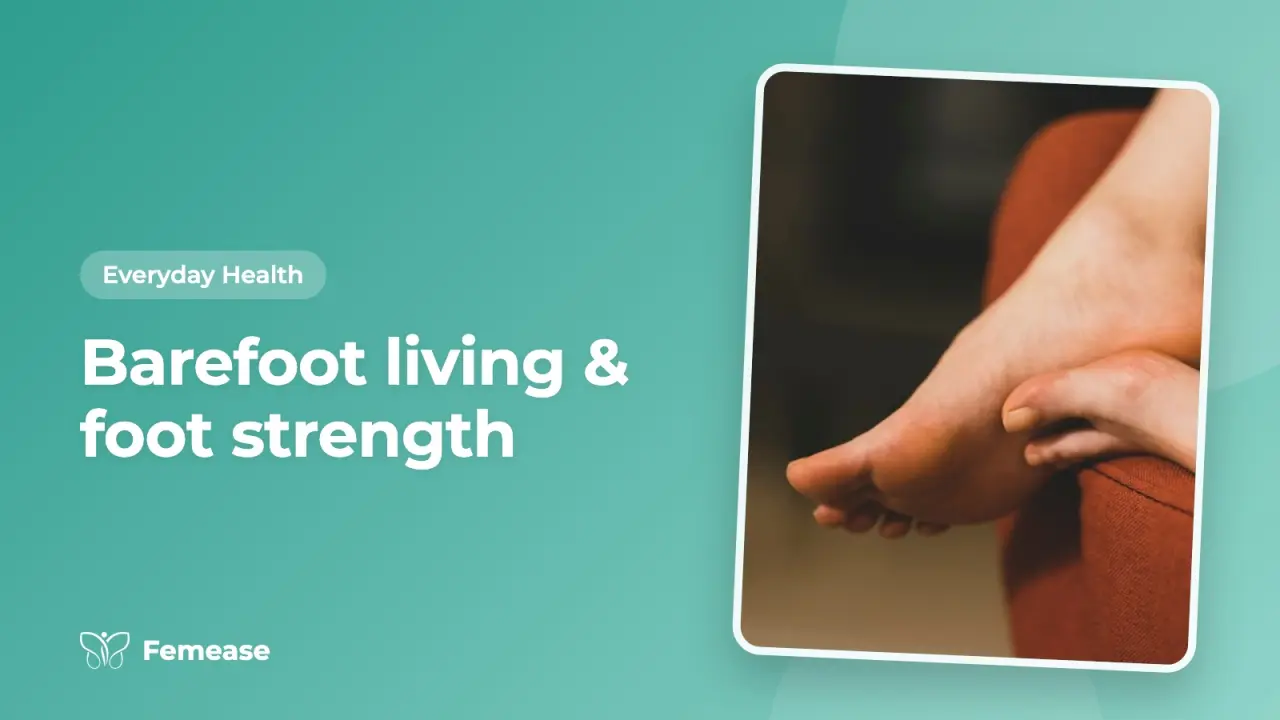
In short: Spending some time barefoot lets the small muscles of your feet do their work, which can make your feet stronger, improve balance and support better posture. Very cushioned or tight shoes can let these muscles get lazy over time. Start slowly at home on clean floors and add simple exercises like toe spreads and calf raises. If you have diabetes, numb feet or ongoing foot, knee or back pain, see a doctor before making big changes.
When was the last time you felt the ground beneath your feet, not through the cushion of a sneaker or the arch support of a sandal, but truly felt it? In our modern world, most of us live our entire lives encased in shoes. And while footwear has its place, there is a growing barefoot movement suggesting that too much shoe-wearing might be weakening our feet and harming our overall posture and health.
The natural strength of bare feet
Human feet are architectural masterpieces: 26 bones, 33 joints, and over 100 muscles, tendons, and ligaments, all designed to support, balance, and move us effortlessly. Our ancestors walked barefoot across varying terrains, strengthening their feet through constant adaptation.
But in today’s world, we wrap our feet in stiff, overly cushioned shoes that do most of the work for us. The result? Our feet become passive. The intrinsic muscles weaken. Arches collapse. Toes crowd. And gradually, this impacts not just the feet, but our knees, hips, and spine.
Are shoes making us weak?
Yes, in many ways, they might be.
Here’s how conventional footwear can interfere with natural foot mechanics:
- Arch support overload: Constant external support can prevent the foot’s arch muscles from working, leading to weaker feet and flatter arches.
- Narrow toe boxes: Shoes that squeeze toes together reduce balance and limit proper toe spread, which is essential for stability.
- Heel elevation: Even modest heels (yes, including many running shoes) shift our posture forward, affecting alignment and causing strain in the knees, hips, and lower back.
- Cushioned soles: While they may feel good, excess cushioning dulls sensory feedback, reducing your body’s ability to react to terrain and maintain balance.
The benefits of barefoot living
More people are embracing barefoot or minimalist lifestyles, and many say they feel the difference. Here is why:
Improved foot strength: When your feet do more of the work, the small foot muscles can get stronger over a few months.
Better balance & posture: Going barefoot activates the small muscles in the feet and ankles that help stabilize your body, improving posture and reducing the risk of falls.
Reduced pain & injury: Some individuals report relief from chronic foot pain (like plantar fasciitis), knee issues, and even lower back pain after transitioning away from traditional shoes.
Heightened ground awareness: Going barefoot improves proprioception (your sense of body position), which is crucial for coordination, especially as we age.
How to transition safely to barefoot living
Going barefoot does not mean tossing your shoes overnight. Like any muscle group, your feet need time to adapt. Here is how to ease into it:
- Start at home: Begin by walking barefoot indoors on safe, clean surfaces.
- Try barefoot shoes: Minimalist shoes mimic barefoot mechanics while offering basic protection.
- Strengthen your feet: Simple exercises like toe spreads, calf raises, and short foot drills can help build foot strength.
- Be patient: It can take weeks or months for your feet and body to adapt, so go slow to avoid strain or injury.
Is barefoot for everyone?
Not always. Individuals with diabetes, severe foot deformities, or certain neurological conditions should consult a podiatrist before attempting barefoot living. That said, many people, even those who have struggled with chronic pain, have experienced real improvement through careful barefoot integration.
Your feet are the foundation of your body, quite literally. And like any foundation, their strength determines the resilience of the structure above. By rethinking our reliance on shoes and allowing our feet to function as nature intended, we may unlock surprising improvements in strength, mobility, and overall well-being.
Questions women ask
How can I strengthen my foot muscles?
Walk barefoot at home for short spells, and try toe spreads, picking up a cloth with your toes, calf raises and short foot holds where you gently lift your arch. Do a few minutes daily and increase slowly.
Can foot exercises help flat feet?
Strengthening exercises can help some people with flexible flat feet feel more stable and comfortable. If flat feet cause pain in your feet, knees or back, see a doctor or physiotherapist for a proper check.
Is barefoot walking good or bad?
For most healthy people, walking barefoot on safe, clean surfaces is good for foot strength and balance. Go slowly at first. People with diabetes, numb feet or foot deformities should keep their feet protected and ask a doctor first.
What are barefoot shoes?
They are thin, flexible shoes with a wide toe area and no raised heel, made to let your foot move almost as if you were barefoot. Switch to them gradually, as your feet and calves need time to adapt.
General information, not medical advice. Talk to a doctor about your own health.
Talk to a doctorKeep reading in the Femease app
Save articles, track your cycle or pregnancy, and talk to a doctor when you need one.
Keep reading
Barefoot walking: Better posture & brain boost
Discover how barefoot walking indoors can improve posture, strengthen balance, and boost brain activity.
Healthspan vs. Lifespan
Healthspan vs lifespan: why living well matters as much as living long, and the small daily habits in food, movement, sleep and stress that add up.

From silence to strength
My Journey Through Workplace Harassment and Healing

How isolation can dull your senses
Discover how living alone affects your sensory health, and what you can do to stay sharp, connected, and fully alive.

Why when you eat is just as important as what you eat
Understanding your body’s internal clock could be the key to better metabolism, weight management, and long-term health

The fiber trap: Why your “healthy” fruit juice may be doing more harm than good
Unpacking the real difference between sipping juice and eating whole fruits.
