The fiber trap: Why your “healthy” fruit juice may be doing more harm than good
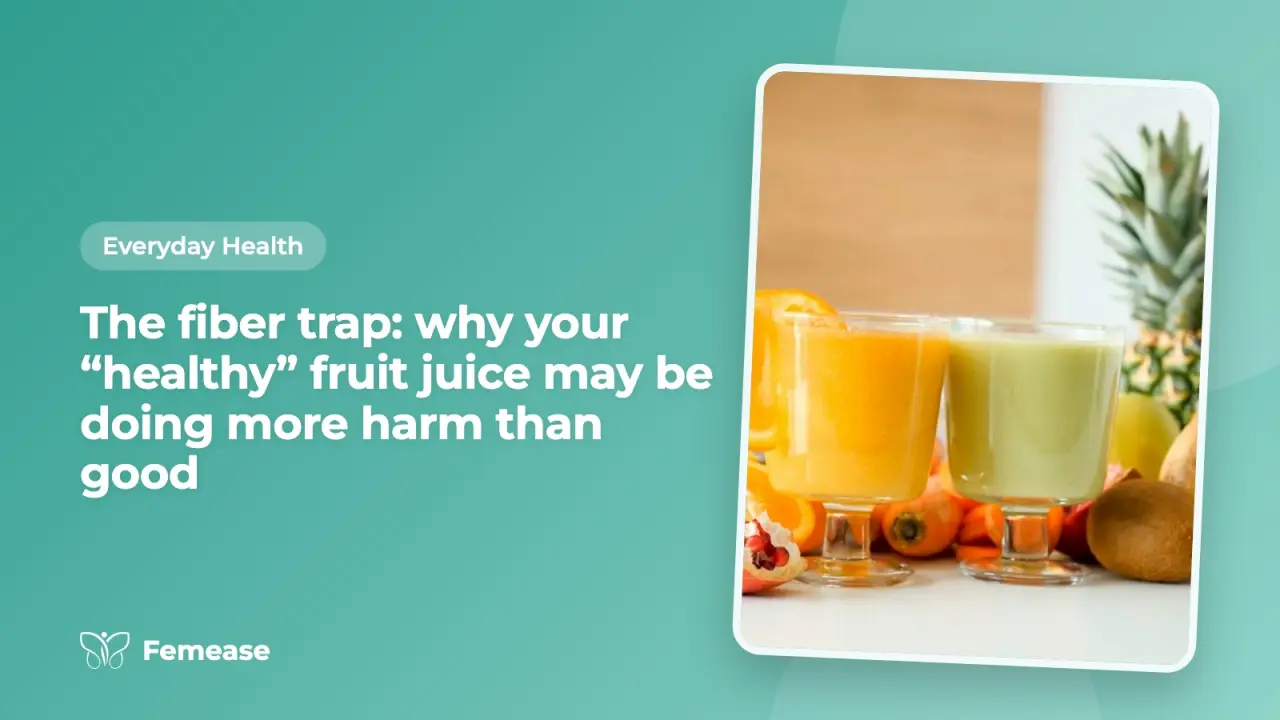
In short: Whole fruit is better for you than fruit juice. Juicing removes most of the fibre, which normally slows down how fast the fruit's sugar reaches your blood and keeps you full. One glass of juice can hold the sugar of several fruits, so it is easy to have too much. Eat whole fruit most of the time, or blend whole fruit without straining. If you have diabetes or high blood sugar, ask your doctor which fruits suit you.
You grab a bottle of fruit juice, thinking you are making a healthy choice. It has got fruits, it is colorful, and the label might even say "100% natural" or "no added sugar." But here is the truth that most people do not realize: fruit juices are not the same as eating whole fruits, not even close.
Fruit juices could be silently sabotaging your health goals by stripping away one of the most essential parts of the fruit: fiber.
So, what is the fiber trap?
When you bite into a fresh apple or peel an orange, you are not just getting vitamins and natural sugars; you are getting fiber, a vital nutrient that plays a key role in digestion, blood sugar control, and overall satiety. But when fruits are juiced, that fiber is often left behind.
Even homemade juices, especially when strained, miss the mark. What you are left with is a concentrated sugar drink, missing the very component that helps your body handle all that sugar effectively.
Fruit juice = Quick sugar rush
Without fiber to slow things down, fruit juice causes a rapid spike in blood sugar levels, followed by a crash. You might feel energized for a moment, but soon after, your energy dips, hunger creeps back in, and cravings begin to kick in.
Over time, this cycle can contribute to:
- Weight gain
- Insulin resistance
- Increased risk of type 2 diabetes
- Mood swings and fatigue
Whole fruits, on the other hand, release sugar slowly thanks to their fiber, helping your body stay balanced and full longer.
The hidden sugar load
Here is something to think about: a single glass of orange juice can contain the juice of three to four oranges. That is a lot of sugar in one sitting. Would you normally eat that many oranges in one go? Probably not.
When we drink juice, it is easy to overconsume sugar without realizing it, because we bypass the natural "stop signs" that come with chewing and digesting whole fruits.
The problem with store-bought juices
Even juices labelled “100% fruit juice” are usually fiber-free and may be made from concentrates or stored for long periods with added preservatives. They may taste fresh, but nutritionally, they are a far cry from the fruit they came from.
And do not be fooled by "cold-pressed" or "fresh" labels, while they may retain more nutrients, most still lack fiber unless the pulp is retained.
What about smoothies?
Good question! Smoothies can be a better alternative to juices if you blend the whole fruit and do not strain it. That way, the fiber remains intact. Just be mindful of the ingredients. Adding yogurt, greens, seeds, or a protein source makes it more balanced and blood-sugar friendly. Avoid using just fruit juice as the base; it defeats the purpose.
Why whole fruits are the smarter choice
Whole fruits offer the full package of fiber, antioxidants, water content, vitamins, and minerals, all working together the way nature intended.
They also support portion control naturally. It is harder to overeat fruits when you are chewing them, feeling full, and giving your body time to register that fullness. Mindfulness is lost when you gulp down a juice in seconds.
How to build a healthier habit
Next time you are craving something fruity:
- Choose an apple or an orange instead of their juice counterparts.
- Add fruit slices to water for flavor without the sugar rush.
- Blend whole fruits into a smoothie but skip the juice base.
- Eat fruits with healthy fats or protein (like nuts or yogurt) for better blood sugar control.
In the world of nutrition, it is easy to fall for the idea that all fruit is good, in any form. But the truth is, how you consume fruit matters.
Fruit juices may seem healthy, but they are often missing the very thing that makes fruit truly beneficial: fiber. So, the next time you are reaching for a glass of juice, pause and ask yourself, What am I giving up for convenience?
When it comes to long-term wellness, digestion, and stable energy, whole fruits win every single time.
Questions women ask
Is whole fruit better than fruit juice?
Yes. Whole fruit keeps its fibre, which slows down sugar, supports digestion and helps you feel full. Juice loses most of that fibre, so its sugar hits your blood faster and leaves you hungry sooner.
Does 100% fruit juice have fibre?
Very little. Even 100% fruit juice and cold-pressed juice usually have most of the fibre removed, unless the pulp is kept. A no-added-sugar label does not mean the juice is low in natural sugar.
Are smoothies healthier than juice?
They can be, if you blend the whole fruit and do not strain it, so the fibre stays. Add curd, seeds or greens for balance, and avoid using juice as the base.
How can I enjoy fruit without a sugar spike?
Eat fruit whole, with the peel where it is edible. Pair it with a handful of nuts or some curd. Add fruit slices to water for flavour instead of drinking juice.
General information, not medical advice. Talk to a doctor about your own health.
Talk to a doctorKeep reading in the Femease app
Save articles, track your cycle or pregnancy, and talk to a doctor when you need one.
Keep reading

The myth of detox juices: Why your liver needs nutrients, not starvation
Discover how your body truly detoxifies and what it actually needs to stay healthy.

Emotional eating vs. Real hunger
Eating when you're not hungry? Learn how to tell emotional eating from real hunger, why it happens, and what you can do instead in the moment.

Why ‘glassy skin’ is not for everyone
The real talk on why chasing that glassy glow can do more harm than good.

How your skin barrier affects your whole health
Your skin isn’t just about looking good, it’s your body’s first line of defense. Here’s how taking care of it strengthens your overall health.

Barefoot living & foot strength
Is walking barefoot good for your feet? Learn how shoes can weaken foot muscles, what barefoot living may do for balance, and how to start safely.

Tongue scraping & oil pulling: Ayurvedic tools for modern detox
Two ancient, effective habits for improving digestion, reducing toxins, and supporting your body’s natural healing.
