Why ‘glassy skin’ is not for everyone
In short: Glass skin is a K-beauty look of very smooth, dewy, almost poreless skin, and it is not a realistic goal for everyone. Pores and some texture are normal. Chasing the look with too many acids, peels and actives can damage your skin barrier and, in brown skin, leave dark spots. Aim instead for a strong barrier, good hydration and little irritation. If your skin stays red, burning or flaky, see a dermatologist.
In the era of Instagram filters and viral skincare routines, “glassy skin” has become one of the most sought-after beauty ideals. Picture this: skin so smooth and luminous it looks like polished glass, poreless, line-free, dewy perfection. For some, it feels like the ultimate skincare goal.
But here is the thing no one is saying loudly enough: glassy skin is not for everyone, and that is completely okay.
Where did this trend come from?
The term “glassy skin” originated from South Korea’s skincare culture, where a multi-step routine focuses on deep hydration, exfoliation, and nourishment. K-beauty brands popularized it globally, often showcasing models with porcelain-smooth, light-reflecting complexions.
But when a trend rooted in a specific skin type and tone is mass-marketed, it tends to ignore the rich diversity of human skin. That is where things get murky.
Textured skin is normal, not a flaw
Not everyone has or is meant to have glassy skin. Textured skin, whether from acne, scarring, large pores, or natural skin structure, is entirely normal. Trying to "erase" it with acids, peels, and heavy-duty products in pursuit of glass-like perfection can actually worsen the situation.
Fact checks: Over-exfoliation can damage the skin barrier, leading to inflammation, dryness, and even long-term sensitivity. Too much exfoliation with strong acids can weaken the stratum corneum (the outermost skin layer), making skin more prone to irritation and infection.
Melanin-rich skin has its glow and its own needs
For people with melanin-rich skin, glassy skin may not only be unrealistic, but it might also promote harmful practices. Many glass skin tutorials push aggressive exfoliation and brightening agents, which can lead to hyperpigmentation or post-inflammatory dark spots in deeper skin tones.
Reality check: Melanin-rich skin naturally reflects light differently and can appear less “glassy,” not because it is unhealthy, but because it is functionally and structurally different. The focus should be on even tone, hydration, and barrier health, not translucency.
Sensitive skin cannot handle the pressure
People with sensitive skin, eczema, or conditions like rosacea are often left out of beauty narratives. Layering multiple serums, actives, and moisturizers just to achieve a fleeting glow can lead to flares, burning, and discomfort.
Worth knowing: the more sensitive your skin, the more likely it is to react to strong skincare actives or fragrance, which are common in glass-skin routines. A dermatologist can advise what suits your skin.
Let us normalize skin that breathes, not blinds
Chasing glassy skin can leave people feeling like their natural skin is not good enough, that something is always wrong with texture, tone, pores, or pigmentation. This can quietly chip away at confidence, especially in young people.
But here is the truth: Healthy skin is not always shiny. Skin with pores is normal. Your skin does not have to glow to be beautiful.
A better approach to skincare goals
Instead of aiming for an unrealistic glassy finish, here is what’s worth striving for:
- A skin barrier that is strong and resilient
- Hydration suited to your skin type
- Minimal irritation and inflammation
- Products tailored to your skin’s story
There’s power in skincare that works for you, not against you.
Questions women ask
What is glass skin?
Glass skin is a beauty trend from Korea for skin that looks so smooth, clear and dewy it reflects light like glass. It usually relies on many steps of hydration and exfoliation. It is a style, not a sign of healthy skin.
Is textured skin normal?
Yes. Texture from pores, old acne marks or your natural skin structure is completely normal. Trying to erase it with strong acids and peels can make skin more irritated and uneven, not smoother.
What are the signs of over-exfoliation?
Stinging or burning when you apply products, redness, tightness, dryness, flaking, a shiny but sore look, and new small bumps or breakouts. If you notice these, stop all exfoliating products and keep to a gentle cleanser, a plain moisturiser and sunscreen.
How do I know my skin barrier is damaged?
A damaged barrier often feels tight, dry or rough, stings with products that never bothered you before, and looks red or flaky. Simplify your routine and give it a few weeks to calm down. If it does not improve, or you have eczema or rosacea, see a dermatologist.
Can I get glass skin with dark or Indian skin?
Melanin-rich skin reflects light differently, so it may not look glassy even when it is perfectly healthy. Harsh exfoliation and brightening can cause dark spots in deeper skin tones. Focus on even tone, hydration and a healthy barrier instead.
General information, not medical advice. Talk to a doctor about your own health.
Talk to a doctor about your skinFrom the Femease store
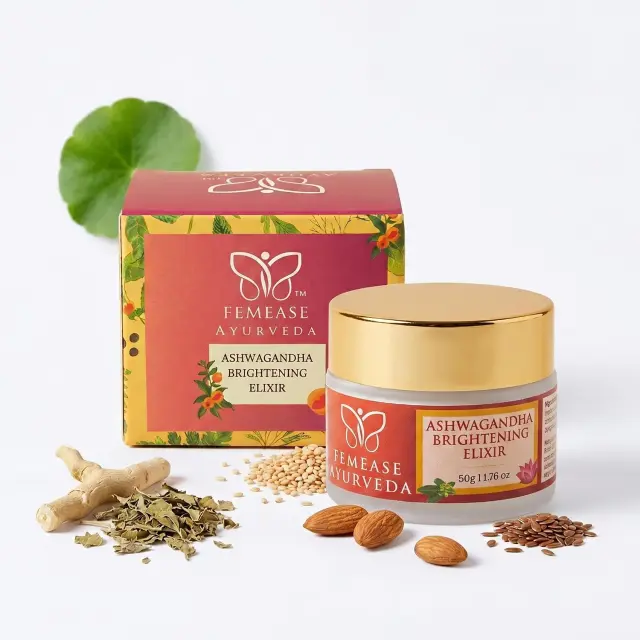
For glow
Ashwagandha Brightening Elixir
50g
849 rupees 43% off

For glow
Kumkumadi Hydrating Elixir
50g
899 rupees
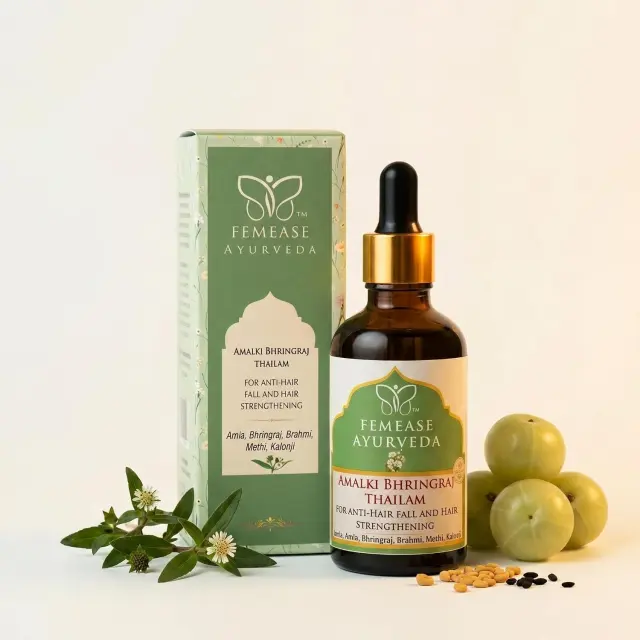
For weak hair
Amalki Bhringraj Thailam for Stronger Hair & Less Breakage
100ml
799 rupees
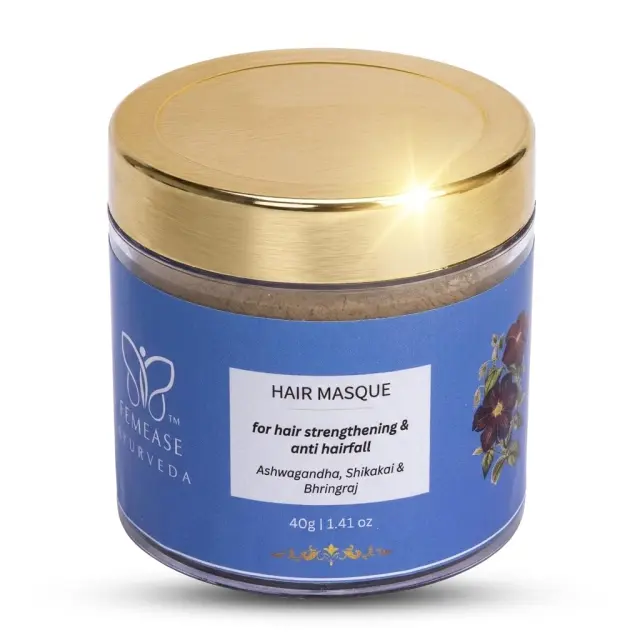
For weak hair
Ashwagandha, Shikakai & Bhringraj Hair Masque for Stronger Hair & Less Breakage
40g
599 rupees 29% off
Keep reading

Why mindfulness doesn’t work for everyone
Why meditation can feel unsafe for some, and how to practice mindfulness in ways that truly support your mental well-being.

Mineral deficiency and skin
Discover how common mineral deficiencies show up on your skin and what you can do through diet to restore your glow.

Breathe to glow
Can breathing help your skin glow? Learn how deep breathing supports lymph flow, signs your lymph needs support, and a simple breathwork routine.
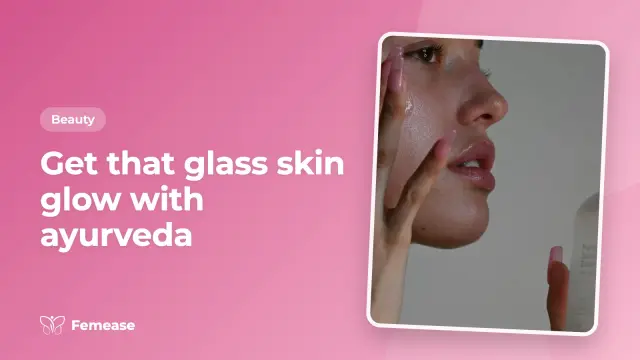
Get that glass skin glow with Ayurveda
Want glass skin? Learn simple Ayurvedic skincare habits for a clear, glowing look, from oiling and gentle exfoliation to masks, food and sun care.

Sleep hygiene and skin repair
A night time skin science dive

Skin fasting
What is skin fasting? Learn what happens when you pause your skincare routine, signs your skin may need a break, and how to try a gentle skin fast.
