Skin fasting

In short: Skin fasting means taking a short break from most skincare products, usually for one to a few days, so an over-treated skin barrier can settle. You still wash your face gently, especially after sunscreen or being outdoors. It can help if your skin feels irritated from too many products, but it is not a cure. If you have eczema, rosacea or acne, check with a dermatologist before stopping your routine.
Have you ever looked at your skincare shelf and thought, “Maybe I’m doing too much?” If so, you’re not alone, and that’s exactly where the idea of skin fasting comes in.
Skin fasting is all about pressing pause. No serums, no creams, no actives—just you and your bare face. It might sound like skincare sacrilege in a world obsessed with 10-step routines, but this trend is gaining quiet traction, especially among those with sensitive, reactive, or over-treated skin.
Let’s unpack what it means to go makeup-free and product-free—and whether your skin might thank you for it.
What is skin fasting?
Skin fasting is the practice of abstaining from all skincare products for a set period, typically a day to a few days, or even a week. The idea is simple: allow your skin to reset and regulate itself naturally.
It doesn’t mean you stop cleansing your face entirely (especially if you’ve been outside or wearing SPF), but it does mean no toners, moisturizers, acids, or treatments.
Why people try it
Here’s the truth: modern skincare can be overwhelming. With so many products targeting so many “problems,” it’s easy to end up overloading your skin barrier without realizing it. Ever felt stinging, redness, or unexplained breakouts after a new routine? That could be a sign of product fatigue.
Some signs you might need a break:
Constant dryness or tightness even after moisturizing
Red, flushed, or inflamed skin
New breakouts despite a dedicated routine
Feeling like nothing is working anymore
Taking a step back can help you tune into what your skin needs, not what the trend cycle is telling you.
What happens to your skin?
Contrary to fear-mongering, your skin doesn’t “shrivel up and die” without moisturizer. Here’s what happens:
Sebum production balances out: If your skin’s been stripped by harsh actives, it might overproduce oil as a defense. Skin fasting allows oil production to normalize.
Your barrier begins to recover: Overuse of exfoliants (hello, AHAs and BHAs!) can damage your protective barrier. Giving it a rest helps rebuild and retain moisture more naturally.
Reduced inflammation: Sensitive or allergic reactions caused by fragrances, preservatives, or even “clean beauty” products may start to calm down.
You become more in tune with your skin: Once you stop masking issues with layers of products, you notice real changes, both good and bad. This helps you make smarter skincare choices going forward.
Science, please?
The science on skin fasting is still young, but dermatologists agree on one thing: less can sometimes be more. Overuse of skincare, especially exfoliating and anti-aging actives, can compromise the skin barrier and lead to chronic inflammation.
And a healthy skin barrier is everything. It locks in hydration, blocks irritants, and keeps your microbiome (your skin’s natural ecosystem) balanced. When you stop overwhelming it, the skin can often rebalance itself.
So, should you try it?
It depends. Skin fasting isn’t a miracle cure, but it can be a powerful reset if:
You have sensitive, irritated, or reactive skin
You’ve been using too many actives and feel overwhelmed
Your skin barrier feels compromised (tightness, redness, flaking)
You want to understand how your skin behaves naturally
However, if you have conditions like eczema, rosacea, or acne, it’s better to work with a dermatologist before ditching your products. Your skin may need consistent, supportive care rather than a full break.
How to do a gentle skin fast
If going completely product-free feels scary, try this:
Keep it short, start with 1–2 days.
Still cleanse gently, especially if you’ve worn SPF or been outdoors.
Use plain water or a very mild cleanser.
Skip everything else, no toner, no moisturizer, no makeup.
Watch and observe how your skin feels by Day 2. Less tight? Calmer?
If your skin starts to feel overly dry or irritated, gently reintroduce a basic moisturizer, ideally, fragrance-free and non-comedogenic.
Skin fasting isn’t about demonizing skincare. It’s about giving your skin the space to breathe, especially when you feel like you’ve been doing too much. Think of it like a digital detox—but for your face.
Sometimes, the best thing you can do for your skin is… nothing at all.
Questions women ask
What is skin fasting?
Skin fasting is pausing most skincare products for a short time, keeping only a gentle cleanse and daytime sunscreen, so your skin can rest. No toners, serums, acids or makeup. The idea is to let the skin barrier recover if it has been overloaded.
What are the benefits of skin fasting?
If your skin has been stripped by too many actives, a short break can let oil levels settle, help the barrier recover and calm irritation from fragrance or other ingredients. It also helps you notice how your skin really behaves. It is not a miracle fix.
How long should you do skin fasting?
Start short, with one to two days. Keep cleansing gently with water or a mild cleanser, and watch how your skin feels. If it becomes very dry or irritated, bring back a simple fragrance-free moisturiser.
Is skin fasting good for acne?
Not always. If acne comes from using too many harsh products, a short break may help. But acne, eczema and rosacea usually need steady, supportive care, so talk to a dermatologist before stopping your routine.
General information, not medical advice. Talk to a doctor about your own health.
Talk to a doctor about your skinFrom the Femease store
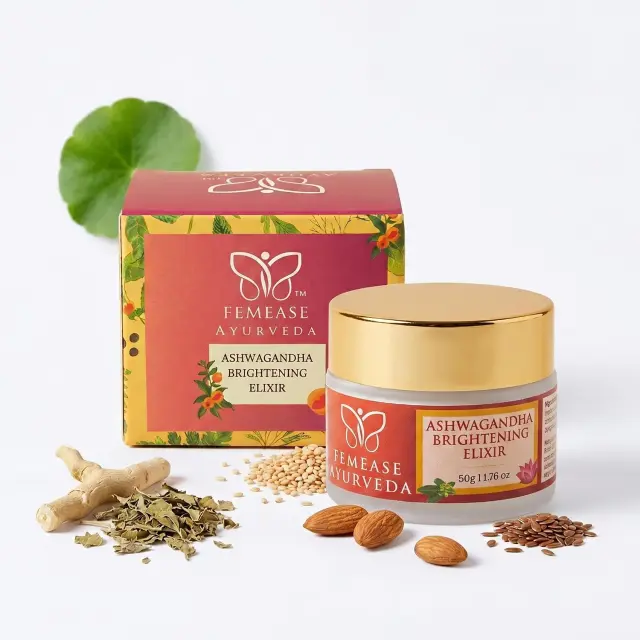
For glow
Ashwagandha Brightening Elixir
50g
849 rupees 43% off
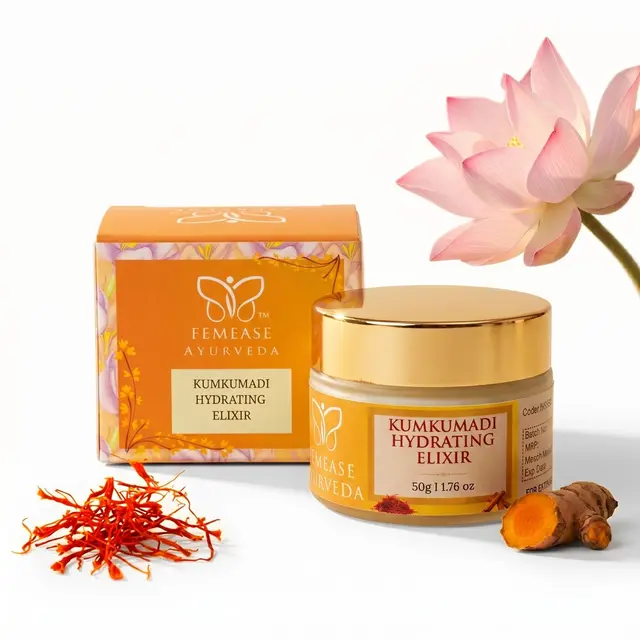
For glow
Kumkumadi Hydrating Elixir
50g
899 rupees
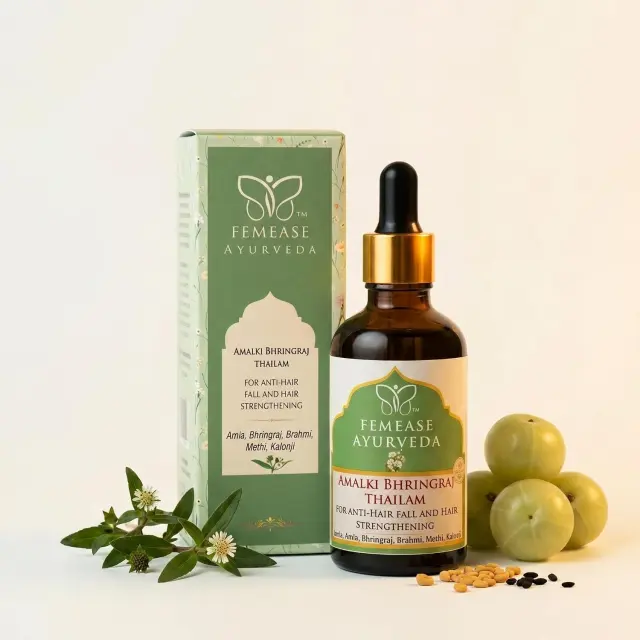
For weak hair
Amalki Bhringraj Thailam for Stronger Hair & Less Breakage
100ml
799 rupees
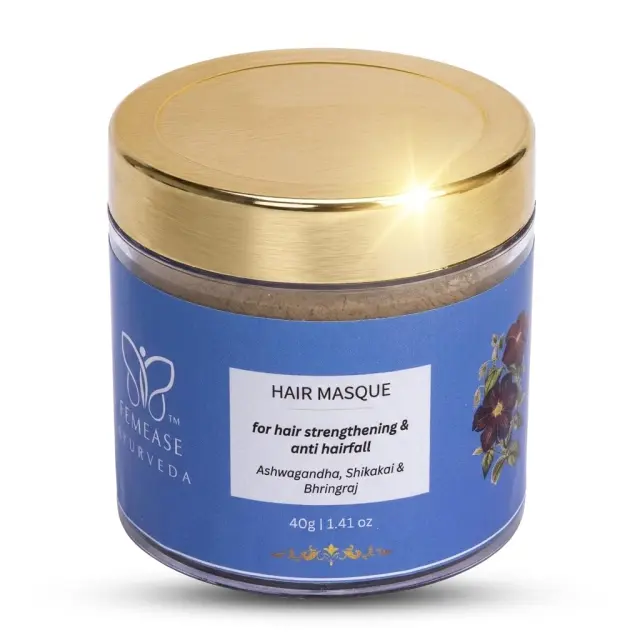
For weak hair
Ashwagandha, Shikakai & Bhringraj Hair Masque for Stronger Hair & Less Breakage
40g
599 rupees 29% off
Keep reading

Skipping meals thinking it is ‘intermittent fasting’?
Without proper guidance, skipping meals can backfire for women especially, disrupting hormones and metabolism.

Embrace Ayurveda for glowing skin and lustrous skin
The Power of Ubtans, Mists, and Thailams from Femease’s Skincare and Haircare Range

Pregnancy skin surprises you didn’t see coming
From melasma to skin tags, here’s what’s normal, what’s not, and how to care for your changing skin.

Sleep and skin
Does sleep affect your skin? Learn how poor sleep shows up as breakouts, dark circles and dullness, and why your night routine and sleep position matter.

Sleep hygiene and skin repair
A night time skin science dive

Why ‘glassy skin’ is not for everyone
The real talk on why chasing that glassy glow can do more harm than good.
