Sleep and skin
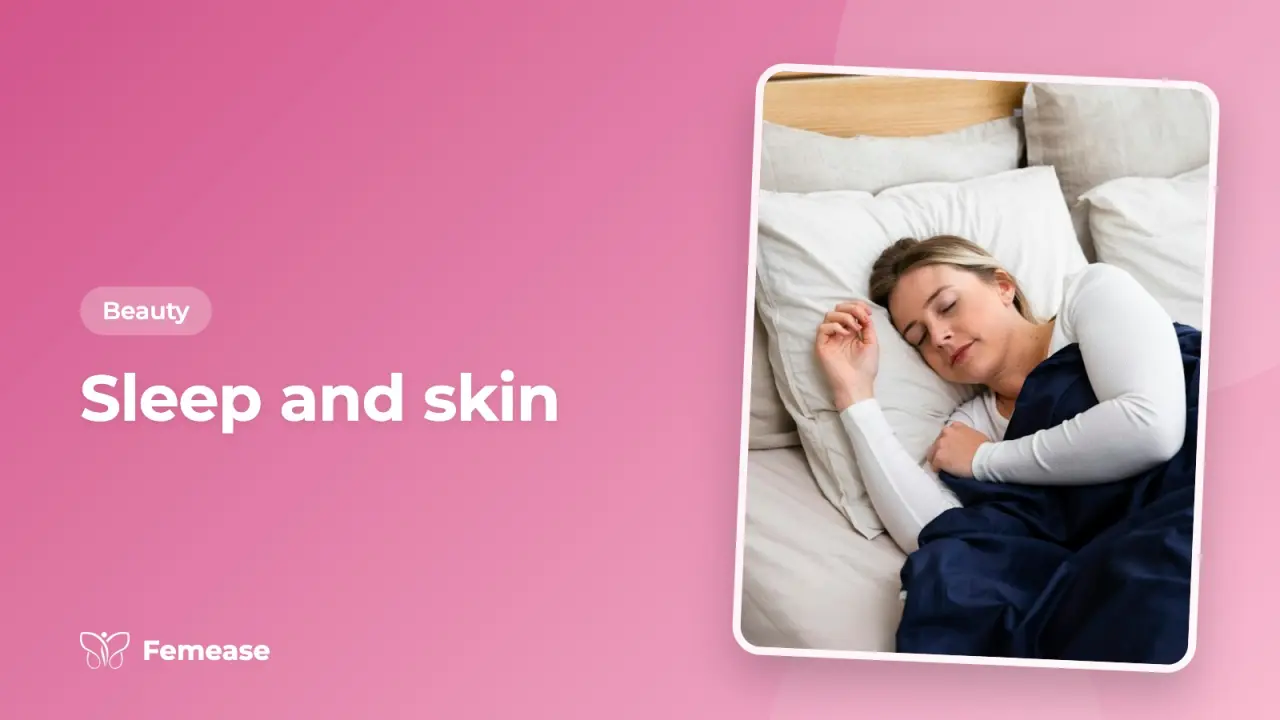
In short: Beauty sleep is real: while you sleep, blood flow to the skin rises and it repairs damage from sun, pollution and stress. Poor sleep can mean dull skin, darker under-eyes, puffiness and more breakouts, because inflammation and stress hormones go up. A simple night routine helps, but nothing replaces regular, good sleep. If dark circles or skin problems stay even after sleeping well, see a dermatologist.
Let’s be honest—how many times have you heard “get your beauty sleep” and rolled your eyes? But here's the thing: it’s not just a saying your grandma swears by. Science (and your skin) completely back it up. When you sleep, your body isn’t just shutting down. It’s actually working overtime to repair, restore, and rejuvenate—and your skin is one of the main beneficiaries. If you’ve ever looked in the mirror after a sleepless night and thought, “Wow, I look… tired,” you’re not imagining it.
Let’s dive into how sleep (or the lack of it) affects your skin—because, trust us, this connection is real.
1. Sleep = Skin Repair Mode
Think of sleep as your skin’s nighttime shift. During deep sleep, your body boosts blood flow to the skin, allowing it to rebuild collagen and repair damage from UV exposure, pollution, and the stress of the day. This is when fine lines get softened, dark circles fade (slowly but surely), and that morning glow is born.
2. Poor Sleep = Inflammation & Breakouts
Bad sleep doesn’t just make you groggy—it increases your body’s inflammation levels. This means more skin issues like acne, eczema, psoriasis, and even puffiness. Plus, increased cortisol (the stress hormone) can send your oil glands into overdrive, clogging pores and causing breakouts.
3. Dark Circles & Dullness Are Real
Ever wonder why those under-eye bags look extra intense after an all-nighter? When you don’t sleep well, blood vessels under the thin skin around your eyes dilate, leading to that shadowy look. Sleep deprivation also slows cell turnover, making your skin look dull and tired.
4. Your Night Skincare Routine Matters More Than You Think
Night is a good time for your skincare to do its work. Without UV rays and makeup to interfere, a simple routine can support your skin while it is in repair mode. Try this simple routine: Gentle cleanser, Hydrating toner or mist, Targeted serum (a dermatologist can advise what suits your skin), Moisturizer or overnight mask, Lip balm (because lips need love, too!)
5. Sleep Positions & Skin Aging
This one might surprise you: sleeping on your stomach or side can cause “sleep lines” over time, especially on your face and chest. These creases can eventually turn into wrinkles.
Real Talk
It’s All Connected. Healthy skin isn’t just about what you apply—it’s about how you live. Eating well, managing stress, moving your body, and yes, sleeping well, are all part of the equation. You can’t out-mask poor sleep habits. So the next time you’re tempted to scroll into the wee hours or sacrifice sleep for another episode, just remember: the real glow-up starts with shut-eye.
Glowing skin doesn’t come in a bottle alone, it comes from within. Sleep isn’t just a luxury; it’s your skin’s secret weapon. Treat it like the non-negotiable it is, and you’ll wake up to a fresher, healthier-looking you. Now go ahead, tuck in early tonight. Your skin has some work to do.
Questions women ask
What does beauty sleep mean?
Beauty sleep means the sleep your skin uses to repair itself. During deep sleep, blood flow to the skin increases, collagen is rebuilt and the day's damage from sun and pollution is repaired, which is why you look fresher after a good night.
Do dark circles from lack of sleep go away?
Dark circles from a few late nights usually fade once you sleep well again. Lack of sleep makes the blood vessels under the thin eye skin show more. If the darkness stays even with good sleep, it may be genetic, an allergy or low iron, so see a doctor.
Why do I get sleep lines on my face?
Sleeping on your side or stomach presses your face into the pillow and can leave creases. Young skin usually bounces back within an hour, but over many years these lines can become lasting wrinkles. Sleeping on your back or using a smooth pillow cover may help.
What are simple night skin care routine steps?
Keep it simple: a gentle cleanser, a hydrating toner or mist if you like, one targeted serum, a moisturiser, and lip balm. Night is a good time for hydration because there is no sun or makeup on the skin.
Can poor sleep cause pimples?
It can add to them. Poor sleep raises inflammation and stress hormones, which can push oil glands to make more oil and clog pores. It can also flare eczema and psoriasis. Better sleep is one part of calmer skin.
General information, not medical advice. Talk to a doctor about your own health.
Talk to a doctor about your skinFrom the Femease store
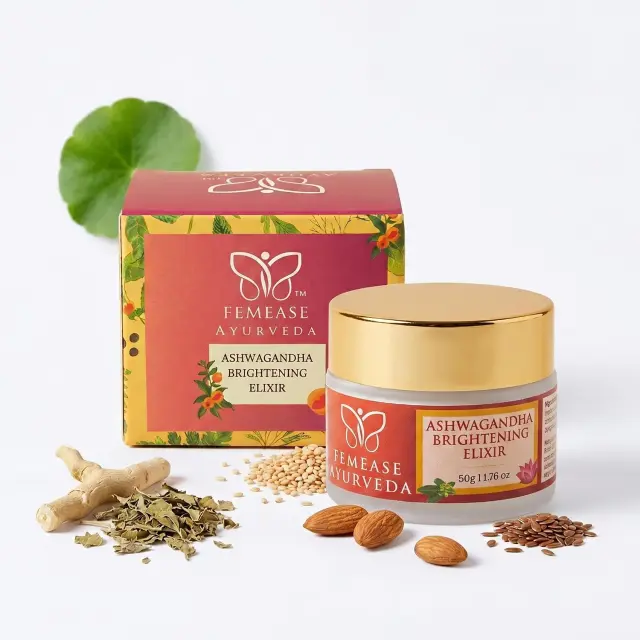
For glow
Ashwagandha Brightening Elixir
50g
849 rupees 43% off

For glow
Kumkumadi Hydrating Elixir
50g
899 rupees
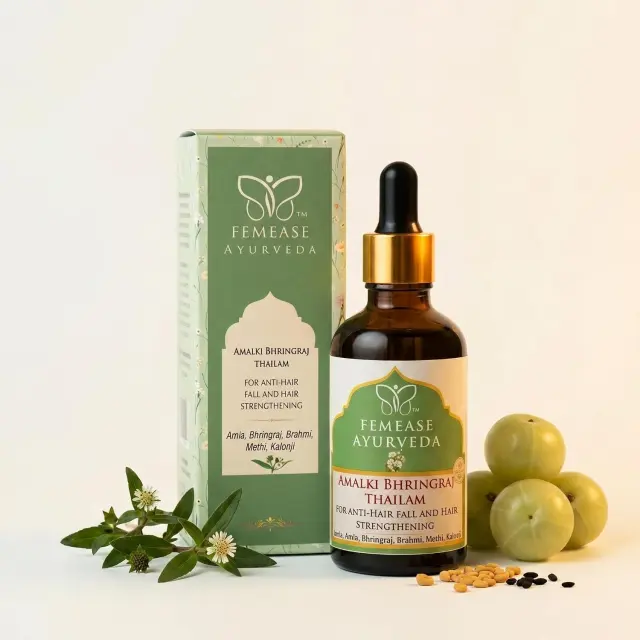
For weak hair
Amalki Bhringraj Thailam for Stronger Hair & Less Breakage
100ml
799 rupees
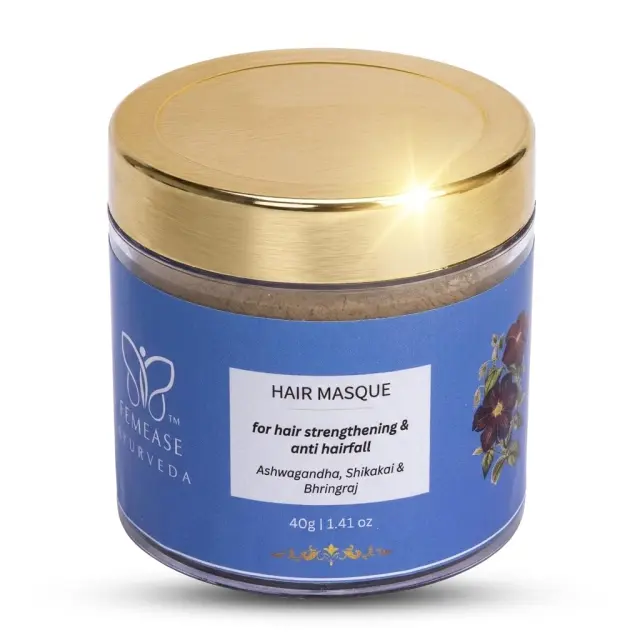
For weak hair
Ashwagandha, Shikakai & Bhringraj Hair Masque for Stronger Hair & Less Breakage
40g
599 rupees 29% off
Keep reading
Sleep hygiene and skin repair
A night time skin science dive

The impact of your sleep position on digestion and circulation
Which side do you sleep on, and why does it matter more than you think

Mineral deficiency and skin
Discover how common mineral deficiencies show up on your skin and what you can do through diet to restore your glow.

Skin fasting
What is skin fasting? Learn what happens when you pause your skincare routine, signs your skin may need a break, and how to try a gentle skin fast.

Embrace Ayurveda for glowing skin and lustrous skin
The Power of Ubtans, Mists, and Thailams from Femease’s Skincare and Haircare Range

Natural beauty remedies for common skin problems
Acne, dark spots or dry skin? Learn simple Ayurvedic home remedies like neem and turmeric paste, aloe vera masks and kumkumadi oil, and how to use them.
