
Sleep and skin: how poor sleep shows on your face
Poor sleep can mean dull skin, dark circles, puffiness and breakouts. See how skin repairs at night, a simple routine and when to see a doctor.
Skin and hair change with your hormones, sleep, food and weather. Here's what's behind the change and what actually helps.
Talk to a doctor about your skinPoor sleep can mean dull skin, dark circles, puffiness and breakouts. See how skin repairs at night, a simple routine and when to see a doctor.

Hormonal acne is deep, sore and around the jawline; fungal acne is tiny, itchy and uniform. Learn the signs that tell them apart and when to see a doctor.
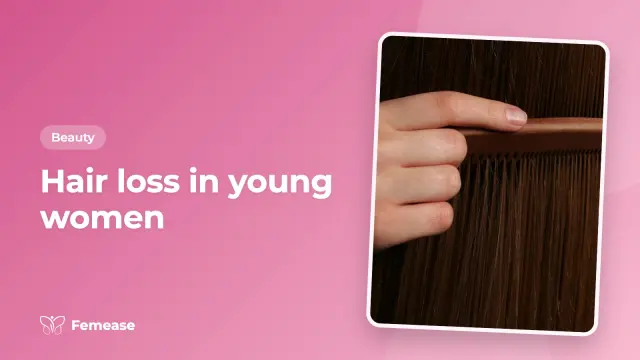
Usually there is a cause that can be found: stress, PCOS, thyroid problems, low iron, crash diets or a recent birth. What you can do and when to see a doctor.

Salts can be gentle extras as a body scrub or foot soak, but they do not clear acne. See how each is used, what to keep in mind and why to patch test first.

Healthy skin is slightly acidic, about pH 4.5 to 5.5. See which products upset your skin barrier, the signs to look for and what to use instead.

Yes, looking down at your phone and forward head posture can make a double chin look worse. Sleep and pillow tips, plus simple neck exercises.

Use face mist after cleansing and toning, then seal it in with a serum or moisturiser. See the spray distance, when to mist and common mistakes to avoid.

Habit stacking ties one small beauty step to something you already do daily. See simple examples and how to start with just one pair of habits.

Pale, dry or flaky skin may hint at low iron or zinc, but many things affect skin. See which signs link to which mineral and what diet and a doctor can add.

Lip balm alone is often not enough for dry, chapped lips. Learn a simple routine with water, a gentle weekly scrub and a thick balm or lip mask at night.

Sunscreen always goes last in your morning routine. See the usual order of face wash, serum and moisturiser, plus common mistakes to avoid before sunscreen.

Dry or dull skin indoors? Learn how AC, humidifiers and air pollution affect your skin, and simple changes to protect it at home and at work.

Trimming doesn't change how fast hair grows from the root, but it does stop split ends. How hair grows, and how often to trim.
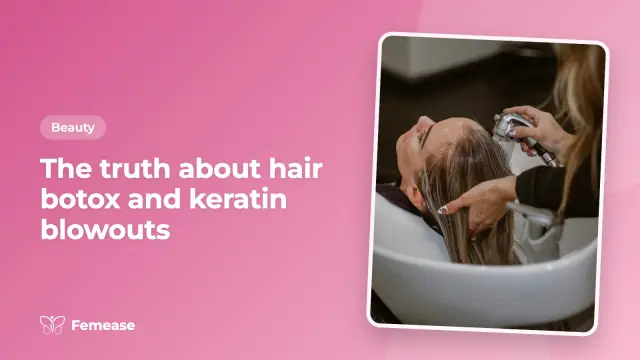
What hair botox and keratin treatments do, how long they last, side effects, and which may suit your hair type.

Too tired to get up? See tiny, gentle beauty steps like rose water, lip balm, dry shampoo and a scalp massage, and when tiredness needs a doctor's advice.

Dark spots form when skin makes extra melanin, and brown skin reacts more and fades slower. Learn the causes, what makes marks worse and what helps.

Sun can dry hair, fade colour and burn your scalp. What hair sunscreen does, and easy ways to protect your hair outdoors.

Yes, tight ponytails, buns and braids can cause hair loss called traction alopecia. See early signs, whether it reverses and how to style hair gently.
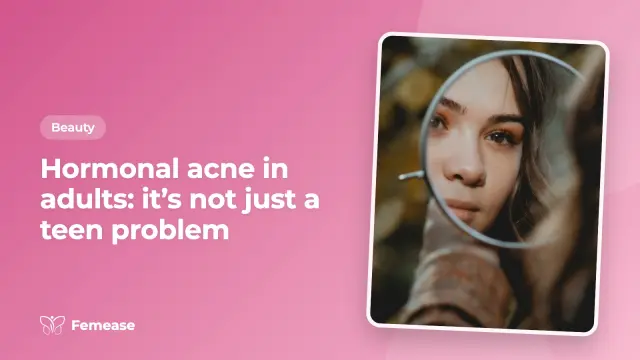
Hormonal acne can start or return in your 30s and 40s, often on the jawline and before periods. See the signs, common causes and supportive skincare.

Learn simple Ayurvedic beauty rituals like abhyanga oil massage, ubtan and face massage, and how to fit them into a busy modern routine.

Dark patches come from sun, pimple marks, irritation and hormones, and can sometimes hint at PCOS. Learn the causes and when to see a dermatologist.

After 40, skin gets drier and matte makeup can look cakey. See why skin changes, why old products stop working and what to use for a fresher, dewy finish.
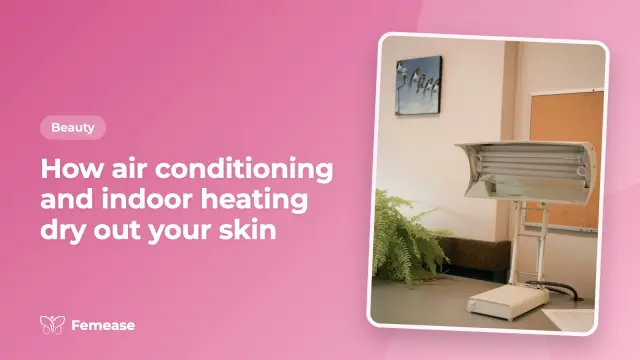
Yes, air conditioners and room heaters make indoor air drier, which can dry your skin. Learn how, the signs to look for and what helps protect your skin.

Labels like clinically proven are marketing, not proof. Learn how to read an ingredient list, spot red flags and shop smarter for your skin.

Slow belly breathing eases stress, which is good for your skin, and may reduce morning puffiness. Learn how breath and lymph flow help, plus a simple routine.

Pores and texture are normal, and chasing glass skin can harm your skin barrier, especially in brown skin. See what to aim for and when to see a doctor.
Yes, deep sleep helps your skin renew and make collagen. See why poor sleep dulls skin, what good sleep hygiene means and when to talk to a doctor.

Skin fasting means a short break from most skincare so an over-treated skin barrier can settle. Learn how it works, who it may help and what to keep doing.

Lustrous skin looks healthy, soft and glowing. Learn the Ayurvedic approach of gentle ubtan cleansing, rose water toning and hydration to support your skin.

Kitchen ingredients can help mild skin problems, but patch test first. See ideas for acne, dark spots, dry or oily skin and sunburn, and when to see a doctor.

Glass skin means smooth, clear, hydrated skin. See how Ayurveda suggests caring for Vata, Pitta and Kapha skin, plus water, fresh food and daily sunscreen.

Ayurveda links glowing skin to inner balance. Learn how Vata, Pitta and Kapha skin types differ and simple steps that suit every skin type.