Does your hair need sunscreen? Hair and scalp sun care
In short: Yes, your hair and scalp need sun protection too. The sun can make hair dry, brittle and frizzy, fade colour, and burn the scalp, especially along the parting or where hair is thin. Use a hair spray, mist or leave-in conditioner with UV filters, wear a hat or scarf outdoors, and change your parting often. If a scalp patch or mole changes, bleeds or does not heal, see a dermatologist.
When we think about sun protection, we instinctively reach for facial sunscreen, oversized sunglasses, and maybe even a wide-brimmed hat. But here is a question that rarely crosses our minds: What about our hair and scalp?
Yes, your scalp is skin, too, and your hair? It is just as vulnerable to sun damage as your skin. Surprised? You are not alone. UV protection for hair and scalp is one of the most overlooked steps in our sun care routine. But that needs to change.
Why your hair needs sun protection
Just like your skin, your hair faces daily UV exposure. And while it does not “burn” the same way, prolonged sun exposure leads to serious damage:
- Dryness and brittleness: UV rays break down the hair’s protein structure (hello keratin), leaving it weak, dry, and prone to breakage.
- Faded hair color: Sun acts like bleach. If you've colored your hair, UV rays can strip the vibrancy from your shade faster than you would expect, especially reds and darker hues.
- Split ends & frizz: UV exposure lifts the hair cuticle, leading to rough texture, increased frizz, and a dull appearance.
- Scalp damage: The scalp can burn just like the rest of your skin, particularly in thinning areas or along the parting line. Repeated sunburns increase the risk of skin cancer on the scalp, an area often missed in checkups.
The scalp is often ignored
You might not see it, but your scalp takes a serious hit from UV rays, especially if you have fine, thinning, or lightly colored hair. Scalp sunburns can be painful, flaky, and even lead to long-term skin damage.
According to dermatologists, the scalp is one of the most overlooked areas when it comes to sun protection, and one of the trickiest to treat after sunburn.
What is hair sunscreen, and how does it work?
Hair sunscreens come in various forms, including sprays, mists, leave-in conditioners, and oils. They are designed to shield your strands from harmful UVA and UVB rays, just like facial sunscreens do for your skin.
Look for the words “UV filters” or “UV protection” on the label. A dermatologist can advise what suits your hair and scalp.
What does hair sunscreen do?
Hair sunscreen, also called UV hair protectant, forms a protective layer over your strands and scalp. It is typically available in sprays, leave-in conditioners, or hair oils enriched with UV filters.
Here is what they help with:
Shields the hair cuticle from harmful UV rays Locks in moisture to prevent dryness Preserves hair color and shine Soothes and protects scalp skin
Bonus: Many are formulated with nourishing ingredients like argan oil, vitamin E, or green tea extract to repair and protect simultaneously.
The best ways to protect hair and scalp from the sun
Protecting your hair and scalp does not have to be complicated. Here is how you can start:
1. Use SPF-infused hair products
Look for leave-in conditioners, hair mists, or styling sprays that include SPF or UV filters. These are lightweight and perfect for everyday use.
2. Cover up
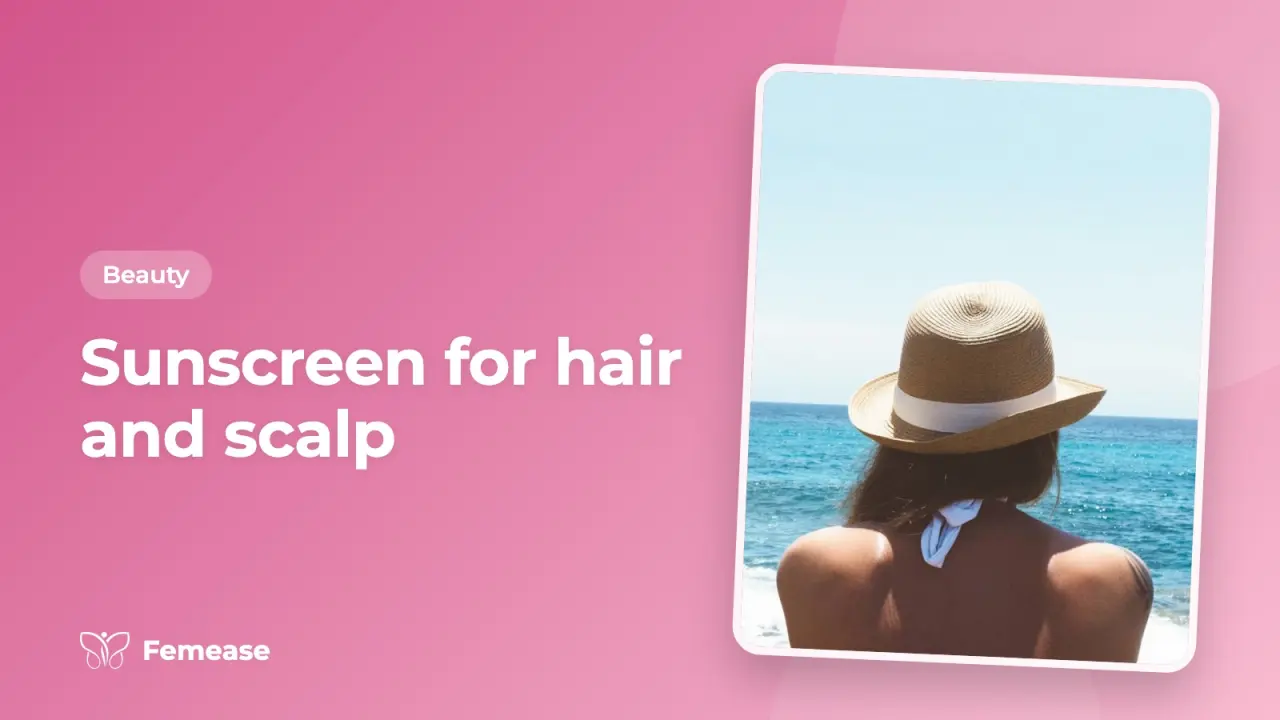
A stylish, wide-brimmed hat or a UV-protective scarf is your scalp’s best friend. It is a physical barrier that doubles as a fashion statement.
3. Change your parting often
Exposing the same scalp line to the sun repeatedly can increase the risk of burns. Rotating your hair part can help distribute sun exposure more evenly.
4. Apply mineral sunscreen on the part line
If you have visible scalp areas, especially with thin or fine hair, you can gently dab a lightweight mineral sunscreen along the part.
5. Deep condition weekly
Post-sun hair needs hydration. Use a weekly mask or deep conditioner with antioxidants and keratin to repair and strengthen sun-exposed strands.
Who needs hair & scalp sunscreen the most?
While everyone benefits from UV protection, it is important that you:
- Have colored, bleached, or chemically treated hair
- Experience hair thinning or hair loss
- Have a dry, sensitive, or fair scalp
- Spend lots of time outdoors, beachgoers, runners, hikers, or bikers
Your hair and scalp deserve the same sun protection you give the rest of your body. UV rays are relentless, but a little awareness and a few easy habits can save your hair from years of damage.
So next time you pack your beach bag or prep for a sunny day out, do not forget to throw in that SPF hair mist. Your future self (and hair) will thank you.
Questions women ask
Can you put sunscreen in your hair?
Regular face or body sunscreen can leave hair greasy and sticky, so it is better to use products made for hair, like UV sprays, mists or leave-in conditioners. On a visible parting or thin patch, you can gently dab a light mineral sunscreen on the scalp skin.
Can sunscreen damage your hair?
Sunscreen does not damage hair, but thick body sunscreen can weigh it down and build up, so wash it out well. Sun itself is what damages hair, by breaking down its protein, lifting the cuticle and fading colour.
Do I need sunscreen on my scalp?
Yes, if your scalp is exposed. The scalp is skin and it can burn, especially on the parting line or where hair is thin. A hat, scarf or a light mineral sunscreen on the parting protects it. Changing your parting also spreads the exposure.
Who needs hair sunscreen the most?
People with coloured, bleached or chemically treated hair, thinning hair, a fair or sensitive scalp, and anyone who spends long hours outdoors, such as runners, bikers and hikers. A weekly deep conditioning helps hair recover after a lot of sun.
When should I see a doctor about my scalp?
See a dermatologist if a scalp sunburn blisters badly or comes with fever, or if you notice a spot, sore or mole on your scalp that grows, changes colour, bleeds or does not heal within a few weeks.
General information, not medical advice. Talk to a doctor about your own health.
Talk to a doctor about your skinFrom the Femease store
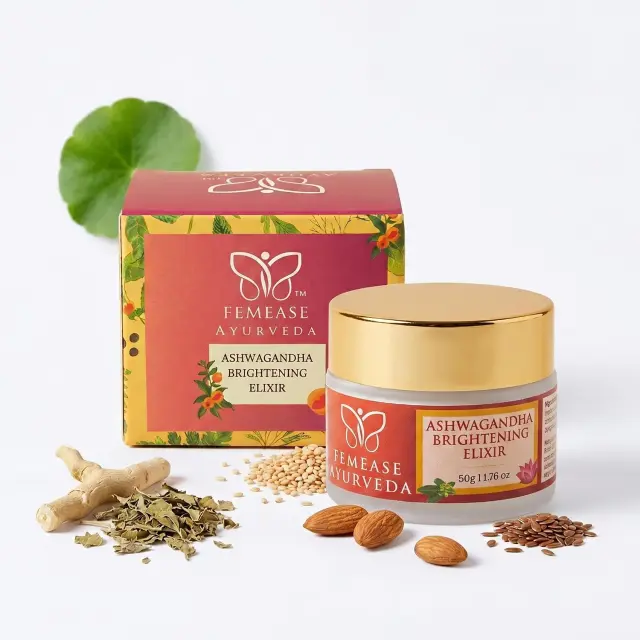
For glow
Ashwagandha Brightening Elixir
50g
849 rupees 43% off
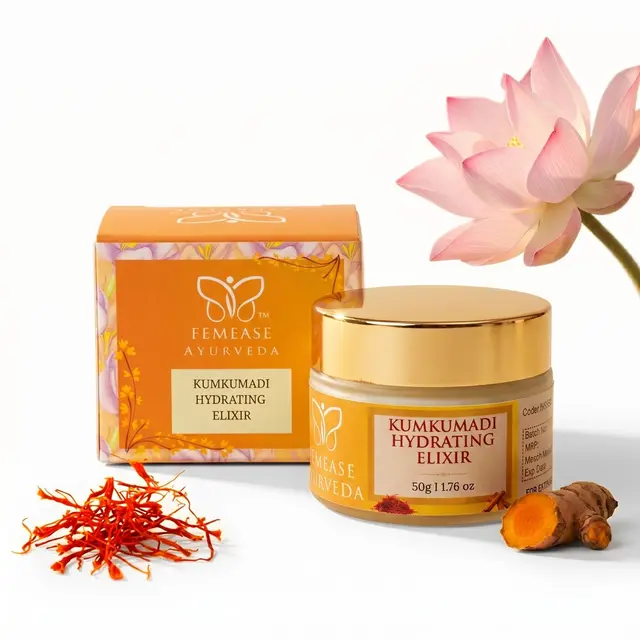
For glow
Kumkumadi Hydrating Elixir
50g
899 rupees
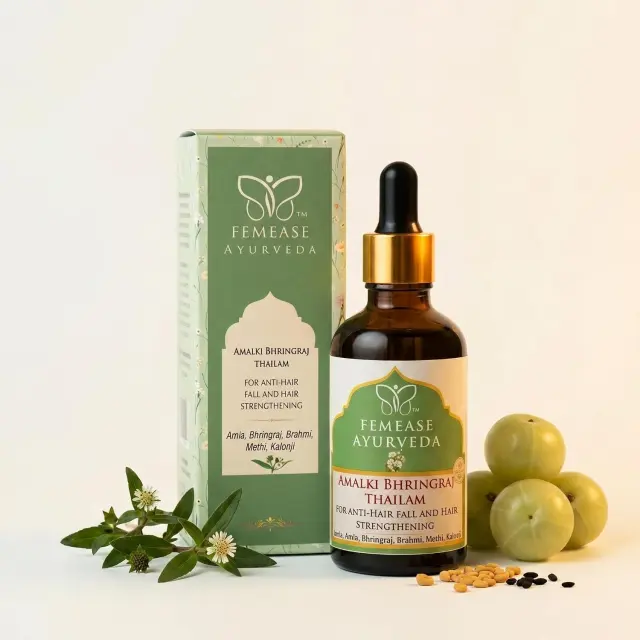
For weak hair
Amalki Bhringraj Thailam for Stronger Hair & Less Breakage
100ml
799 rupees
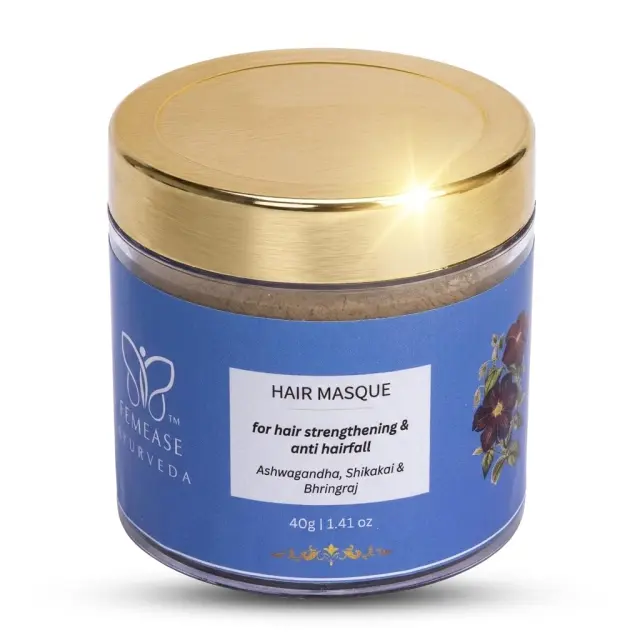
For weak hair
Ashwagandha, Shikakai & Bhringraj Hair Masque for Stronger Hair & Less Breakage
40g
599 rupees 29% off
Keep reading
Pre-sunscreen rituals
What to apply before sunscreen? Learn the common mistakes before SPF, like oils and actives, and a simple order of serum and moisturiser that works.
Hair thinning and scalp sensitivity during menopause
Understanding the root causes, nurturing your follicles, and adjusting your haircare routine through this hormonal shift.
Tight hairstyles and traction alopecia
Hair loss from tight ponytails? Learn what traction alopecia is, early signs to watch for, how to style your hair gently, and when to see a dermatologist.
Menopause-driven changes in skin and hair: What to expect
How collagen loss, dryness, and scalp changes hit post-40 and how to support your body through it.
Hair loss in young women
Stress, PCOS, thyroid issues, and poor diet, the hidden triggers you need to know
The science behind hyperpigmentation in different skin tones
Why melanin-rich skin reacts differently and how to treat it safely without bleaching.
