The science behind hyperpigmentation in different skin tones
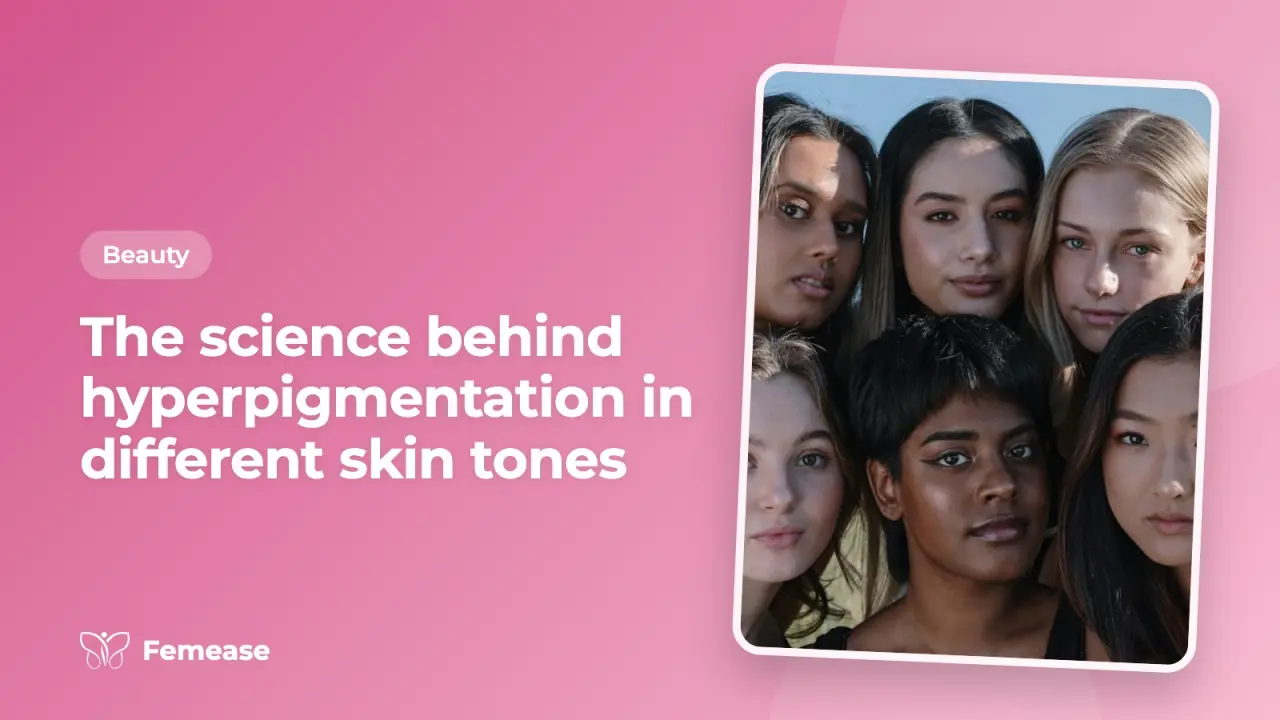
In short: Hyperpigmentation means dark spots or patches where your skin has made extra melanin, often after acne, a cut, eczema, sun exposure or hormonal changes. Brown and Indian skin tones tend to react more strongly and the marks fade more slowly. Sun, picking pimples, harsh scrubs and over-exfoliating can all increase pigment, so daily sunscreen and gentle care matter most. Avoid bleaching products. See a dermatologist if patches spread, do not fade after a few months, or change suddenly.
Hyperpigmentation. It is a word we have heard a lot, especially in conversations around skincare for deeper skin tones. But what causes those dark patches and uneven skin tone? And why does it seem more stubborn on melanin-rich skin?
If you have ever felt frustrated by lingering acne scars, sunspots, or uneven skin tone, you are not alone. But before diving into treatments, it is important to understand what is happening under the surface. Let us break down the science, the unique challenges darker skin tones face, and safe, effective ways to treat hyperpigmentation without reaching for harmful bleaching products.
First, what is hyperpigmentation?
Hyperpigmentation happens when your skin produces excess melanin, the natural pigment that gives skin its color. This overproduction often shows up as dark spots, patches, or uneven skin tone. It is usually triggered by:
- Inflammation (like acne or eczema)
- Sun exposure
- Hormonal changes
- Injuries or skin trauma
This process is part of your skin’s natural defense system, but in melanin-rich skin, it can be more noticeable and long-lasting.
Why melanin-rich skin reacts differently
Here is the truth: Melanin-rich skin is beautiful, powerful, and complex. But that complexity also makes it more reactive to certain triggers.
- Higher Melanin Response: When skin is injured or inflamed, deeper skin tones respond by producing more melanin as a protective response, which can result in post-inflammatory hyperpigmentation (PIH).
- Greater Sensitivity to Inflammation: Even minor irritations, like popping a pimple or using a harsh product, can leave lasting dark marks.
- Slower Fading: Hyperpigmentation tends to linger longer on darker skin tones because of how melanin is distributed in the skin layers.
These differences do not mean melanin-rich skin is more problematic, it just needs tailored care and safer solutions.
Why bleaching is not the answer
Many contain mercury or other harsh ingredients, which can damage the skin barrier, cause irritation, or even lead to a condition called ochronosis, where the skin turns bluish-black. These products do not “even out” your skin; they strip its natural pigment and can permanently alter your skin tone.
Instead of bleaching, the goal should be to restore your natural tone and fade hyperpigmentation safely.
Safe and effective ways to treat hyperpigmentation in melanin-rich skin
1. Sun protection is non-negotiable
Melanin offers some protection from UV rays, but it is not immune. Daily use of broad-spectrum SPF30+ is essential to prevent further darkening and help current spots fade.
Tip: Choose a sunscreen that’s tinted or designed for darker skin tones to avoid the white cast.
2. Use gentle, non-irritating products
Skip harsh scrubs or strong actives. A gentle cleanser and moisturiser are a good base, and a dermatologist can advise which products suit your skin.
3. Chemical exfoliation, but mildly
Ask a dermatologist before using any exfoliating product, as the wrong one can irritate melanin-rich skin.
Caution: Avoid over-exfoliating, as it can worsen PIH.
4. Consult a dermatologist for targeted treatments
For stubborn cases, treatments like:
- Microneedling
- Chemical peels (specifically designed for darker skin)
- Laser therapy (only with a provider experienced in treating melanin-rich skin)
It can help, but always consult a skin expert to avoid unwanted side effects.
Hyperpigmentation does not disappear overnight. It can take several weeks to months to fade completely, depending on your skin type, lifestyle, and how consistently you treat it. Patience is part of the process, but with the right approach, clear, radiant skin is within reach.
Questions women ask
What increases pigmentation on the skin?
Sun exposure is the biggest trigger. Inflammation from acne, eczema, cuts or burns, picking at spots, harsh scrubs, over-exfoliating and some hormonal changes, such as in pregnancy, can also increase pigment. In deeper skin tones, even small irritations can leave dark marks.
Why is hyperpigmentation more common in darker skin?
Melanin-rich skin responds to injury or inflammation by making more melanin as protection. This can leave dark marks after acne or irritation, and because of how pigment sits in the skin, the marks often take longer to fade.
Does exfoliating increase pigment?
Gentle exfoliation can help marks fade, but overdoing it or using harsh scrubs can irritate the skin and make pigmentation worse, especially in darker skin tones. Go slowly, use mild products, and always wear sunscreen afterwards.
Is skin bleaching safe for dark spots?
No. Many bleaching products contain harsh or harmful ingredients that can damage the skin barrier, cause irritation, and even permanently darken or discolour the skin. A dermatologist can suggest safe treatments that suit your skin tone instead.
General information, not medical advice. Talk to a doctor about your own health.
Talk to a doctor about your skinFrom the Femease store
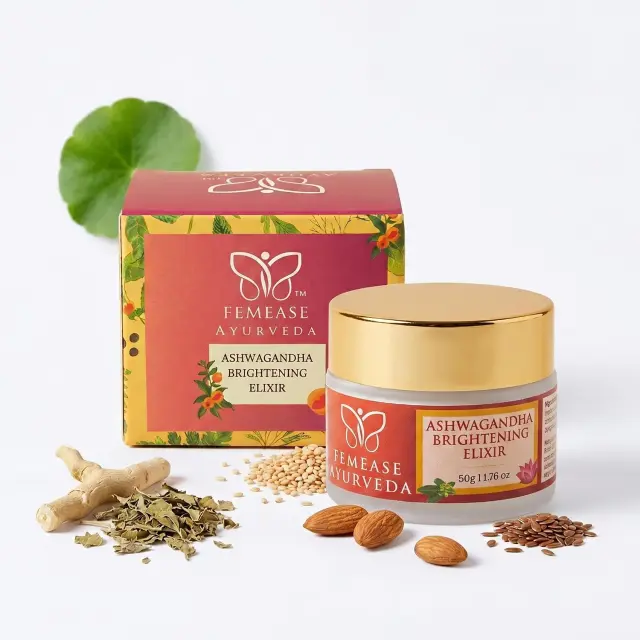
For glow
Ashwagandha Brightening Elixir
50g
849 rupees 43% off

For glow
Kumkumadi Hydrating Elixir
50g
899 rupees
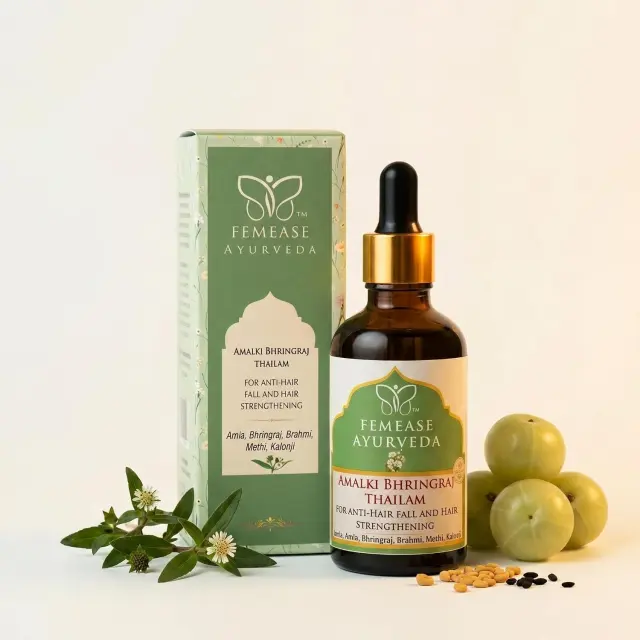
For weak hair
Amalki Bhringraj Thailam for Stronger Hair & Less Breakage
100ml
799 rupees
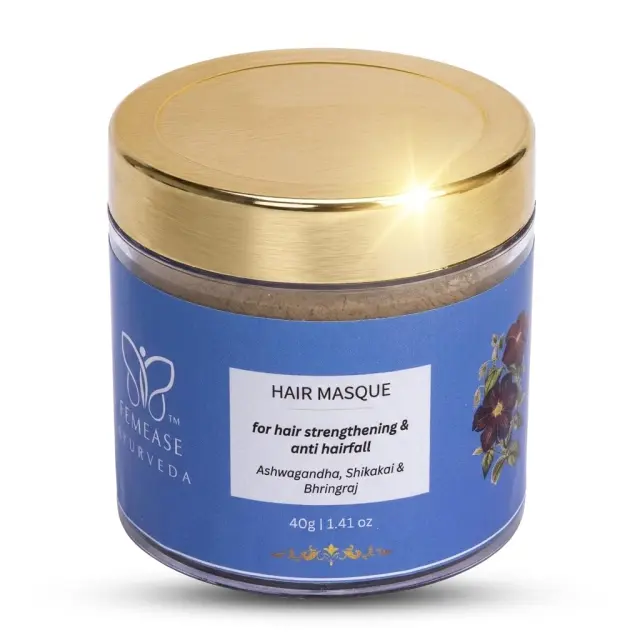
For weak hair
Ashwagandha, Shikakai & Bhringraj Hair Masque for Stronger Hair & Less Breakage
40g
599 rupees 29% off
Keep reading
Hyperpigmentation isn’t just a cosmetic concern
Dark patches on your face? Learn what causes hyperpigmentation, from inflammation and PCOS to sun damage, and why sunscreen and doctor checks matter.

Sleep hygiene and skin repair
A night time skin science dive
Are you disrupting your skin’s ph without knowing it?
Why that ‘clean’ feeling might be damaging your skin, and how to restore balance the right way

The science of yawning
Why yawning isn’t just about sleepiness, its surprising link to temperature regulation, stress, and brain oxygenation.

Does your hair need sunscreen? Hair and scalp sun care
Sun can dry hair, fade colour and burn your scalp. What hair sunscreen does, and easy ways to protect your hair outdoors.

Beauty for bedridden or low-energy days
Simplified self-care rituals for fatigue, disabilities, or postpartum exhaustion
