Hyperpigmentation isn’t just a cosmetic concern
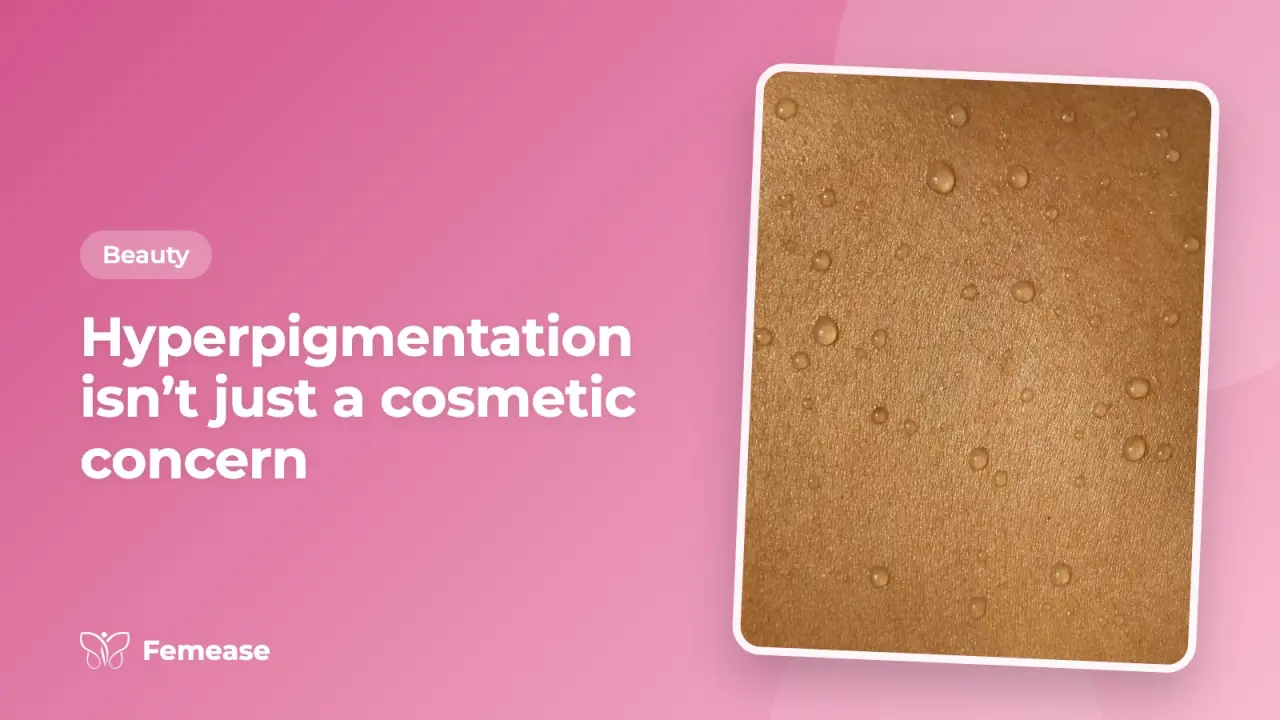
In short: Hyperpigmentation means dark patches where your skin makes extra melanin. Common causes are sun exposure, marks left after pimples or irritation, and hormones, as in melasma, which often appears in pregnancy or with hormone changes. Dark, velvety skin on the neck, underarms or inner thighs can be a sign of insulin resistance, often seen with PCOS. Daily sunscreen and gentle skincare help, and see a dermatologist if patches spread or appear suddenly.
If you've ever struggled with stubborn dark patches on your skin, on your cheeks, upper lip, forehead, or even your back, you know how frustrating hyperpigmentation can be. It's more than just a "beauty flaw." For many, it’s a visible signal of something deeper going on inside the body.
Hyperpigmentation affects people of all skin tones but is especially common (and persistent) in melanin-rich skin. While makeup might cover it and skincare might fade it temporarily, the truth is: real healing starts when you understand what's causing it.
Let’s dig deeper.
What Is Hyperpigmentation?
Hyperpigmentation is the result of an overproduction of melanin, the pigment that gives our skin, hair, and eyes their colour. When certain cells (melanocytes) get triggered by inflammation, sun exposure, or hormonal shifts, they produce excess melanin in that spot. The result? A dark patch, often with uneven texture or tone.
There are many types of post-inflammatory (like after acne), melasma (often hormone-driven), sunspots (UV-related), and more.
But what's behind all this?
The root causes- it is not just “bad skin”
Let us bust a myth: hyperpigmentation is not always about what you are putting on your face. Often, it reflects what is happening inside your body.
1. Inflammation
Whether it’s from acne, eczema, injury, or harsh skincare, inflammation is a major trigger for melanin production. When the skin is hurt or irritated, it tries to protect itself. In melanated skin, that response often involves creating more pigment.
Fact: Darker skin types are more prone to post-inflammatory hyperpigmentation because of a stronger melanocyte response.
2. Hormonal imbalances (like PCOS)
Conditions like Polycystic Ovary Syndrome (PCOS) can lead to a surge in androgens, which affects the skin in several ways—excess oil, acne, and yes, pigmentation. Darker patches around the neck, underarms, and inner thighs (known as acanthosis nigricans) can be a direct result of insulin resistance tied to PCOS.
Reality check: Treating these patches with just creams will not work unless the underlying hormone imbalance is addressed.
3. Sun sensitivity and damage
Even if you are using sunscreen daily, cumulative sun exposure adds up, especially in countries with intense sunlight. UV rays do not just darken existing spots; they stimulate melanocytes, deepening hyperpigmentation over time.
Reminder: Even visible light and heat can worsen melasma or sunspots. So hats, shade, and reapplication matter.
4. Nutrient deficiencies and gut health
Your skin is a reflection of your internal environment. Deficiencies in vitamins like B12, D3, and iron, often overlooked, can disrupt skin function and healing. An unhealthy gut can also contribute to inflammation and poor nutrient absorption, all of which affect your skin’s clarity.
Sustainable treatment: What works (and what does not)
Real results come when you stop treating hyperpigmentation like a surface problem and start working on it holistically.
Treat the root (not just the symptom)
- Get hormone levels checked: Especially if you have irregular periods, acne, or weight fluctuations.
- Support your gut: Add curd or other fermented foods, reduce sugar and processed foods, and hydrate.
- Reduce chronic inflammation: This might mean switching to gentler skincare, treating underlying health conditions, or working with an integrative doctor.
Choose skin-healthy lifestyle habits
- SPF is non-negotiable: Daily, indoors or outdoors. Reapply every 2–3 hours.
- Sleep & stress: High cortisol (your stress hormone) disrupts hormone balance and promotes inflammation.
- Stay active: Movement boosts circulation, reduces insulin resistance, and helps hormonal balance.
Skincare that supports healing
A dermatologist can suggest the right products and treatment for your skin. Avoid bleaching creams and harsh home remedies, which can irritate skin and make patches darker. Gentle traditional ingredients like mulethi (licorice root) in a face pack, long used in Ayurvedic skincare for a more even tone, can be part of your routine; patch test first.
But remember: no skincare will erase pigmentation overnight. Long-term consistency, not aggression, is key.
Questions women ask
What causes pigmentation on the face?
The main causes are sun exposure, marks left after acne, rashes or harsh products, and hormone changes, as in melasma. Heat and visible light can deepen it too. Darker Indian skin tones are more prone to marks after pimples, so treating acne early and gently helps.
What causes melasma?
Melasma is linked to hormones and sun. It often appears as brown patches on the cheeks, forehead or upper lip during pregnancy or with other hormone changes, and sun and heat make it darker. Daily broad-spectrum sunscreen, a hat and shade help, and a dermatologist can suggest the right treatment.
Is a dark neck a sign of PCOS?
It can be. Dark, thick, velvety skin on the neck, underarms or inner thighs is called acanthosis nigricans and is often a sign of insulin resistance, which is common in PCOS. Scrubbing will not remove it. See a doctor to check your blood sugar and hormones; managing these usually helps the skin.
When should I see a doctor about dark patches?
See a dermatologist if a dark patch appears suddenly, keeps spreading, is itchy or raised, or if a mole changes in size, shape or colour. See a doctor soon if dark patches come with irregular periods, weight gain or extreme tiredness.
General information, not medical advice. Talk to a doctor about your own health.
Talk to a doctor about your skinFrom the Femease store
For glow
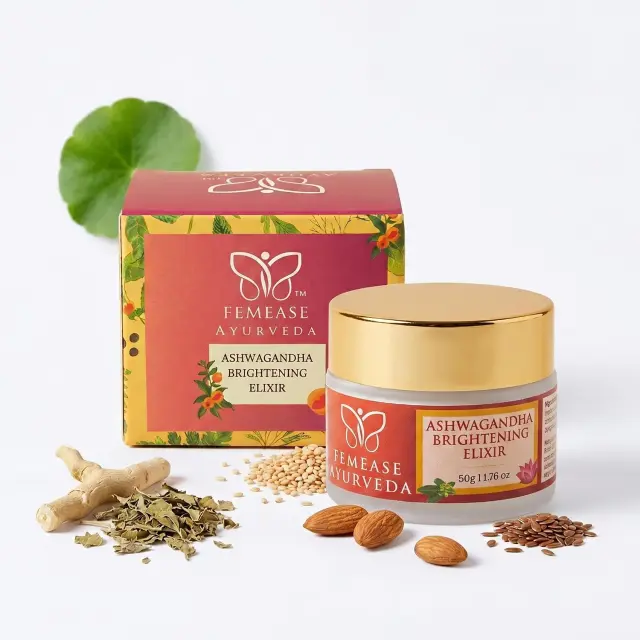
Ashwagandha Brightening Elixir
50g
849 rupees 43% off
For glow
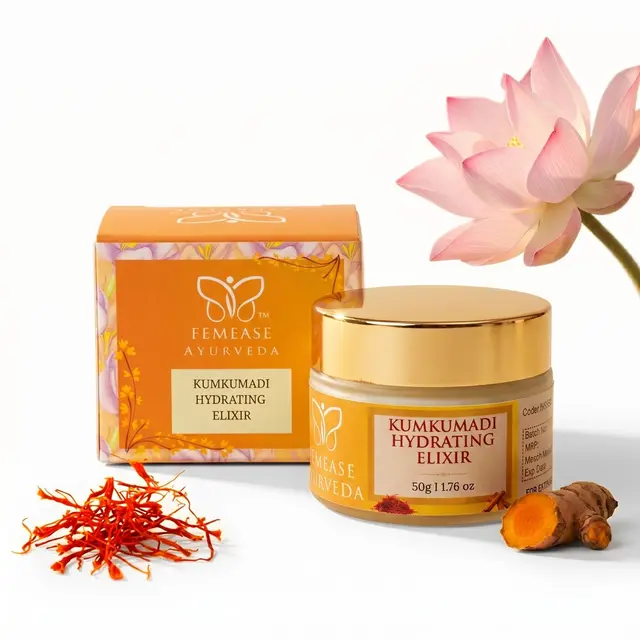
Kumkumadi Hydrating Elixir
50g
899 rupees
For weak hair
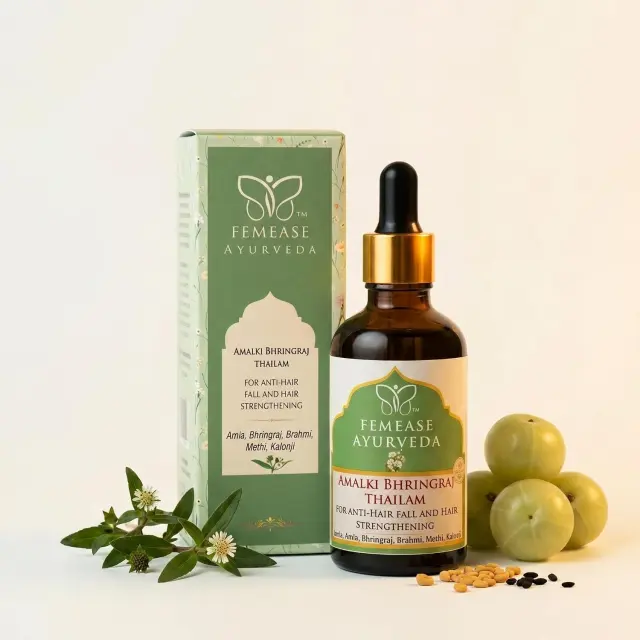
Amalki Bhringraj Thailam for Stronger Hair & Less Breakage
100ml
799 rupees
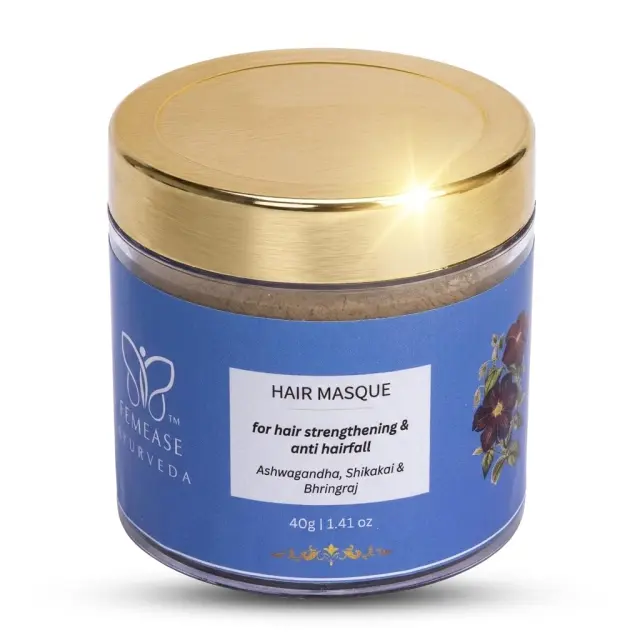
For weak hair
Ashwagandha, Shikakai & Bhringraj Hair Masque for Stronger Hair & Less Breakage
40g
599 rupees 29% off
Keep reading

The science behind hyperpigmentation in different skin tones
Why melanin-rich skin reacts differently and how to treat it safely without bleaching.

Does your hair need sunscreen? Hair and scalp sun care
Sun can dry hair, fade colour and burn your scalp. What hair sunscreen does, and easy ways to protect your hair outdoors.

Pre-sunscreen rituals
What to apply before sunscreen? Learn the common mistakes before SPF, like oils and actives, and a simple order of serum and moisturiser that works.

Irregular periods in gen z, a rising health concern no one’s talking about
Understanding the real causes behind irregular cycles and how Gen Z can reclaim their hormonal health

Makeup for changing skin over 40
Why the same products don’t work forever, and what your skin needs now

Ayurvedic beauty rituals for modern lifestyles
Ayurvedic beauty rituals for busy days: how to do abhyanga self-massage, a quick ubtan, kansa wand face massage and simple hair oiling at home.
