Pre-sunscreen rituals
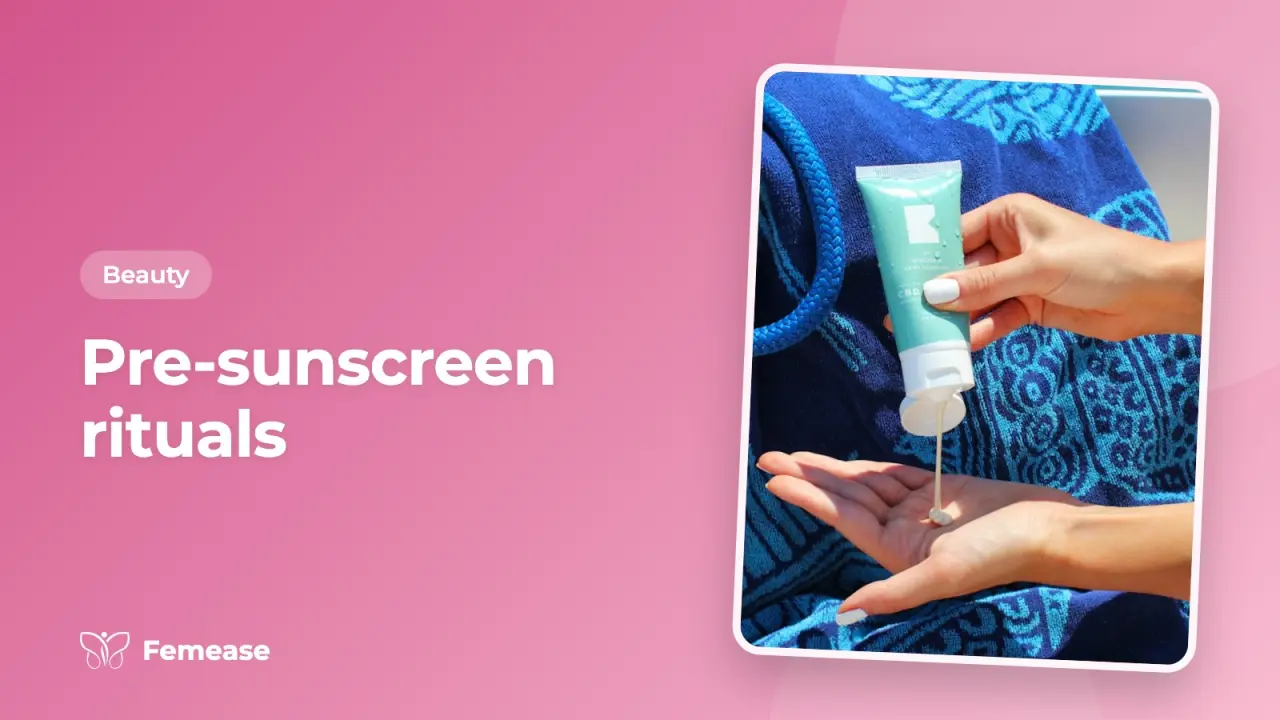
In short: In the morning, sunscreen always goes last. The usual order is a gentle face wash, a light hydrating serum if you use one, a quick-absorbing moisturiser, and then sunscreen. Give your moisturiser about a minute to settle before the sunscreen goes on. Avoid face oils right before sunscreen, and keep strong exfoliating or anti-ageing products for night, as they can make your skin more sensitive to the sun; if you are pregnant or trying to conceive, check with a dermatologist before using them.
We’ve all heard it: “Don’t skip your sunscreen.” And rightly so. Sunscreen is non-negotiable; it is your skin’s armor against UV damage, premature aging, and skin cancer. But here is something most skincare routines gloss over: what you apply before your sunscreen matters just as much as wearing SPF itself.
Yes, your serums and moisturizers may be doing your skin more harm than good if they are interfering with your sunscreen’s performance
Why pre-SPF layers matter
Sunscreen is a chemical or physical shield. However, when layered on top of certain skincare ingredients or textures, it may not bond properly to your skin, or worse, may become less effective.
Think of sunscreen as your final protective coat. If the surface underneath is greasy, sticky, or packed with reactive ingredients, that coat will not sit right.
Some serums can dilute or destabilize your SPF. Some moisturizers may create too slick a base, preventing SPF from forming that even, consistent film your skin needs. In short, your sunscreen cannot do its job if you have compromised its canvas.
Common mistakes before applying sunscreen
Here are a few well-intentioned skincare habits that can mess with your sunscreen’s mojo:
Using oils right before sunscreen
Facial oils may feel luxurious, but they often create a barrier that stops sunscreen from adhering properly, especially mineral formulas.
Layering strong exfoliating or anti-ageing products in the morning
These products can make your skin more sensitive to sunlight, and they might not mix well with your SPF's chemical composition. A dermatologist can advise you on what suits your skin.
Skipping the wait time between layers
Sunscreen needs to form a film. Rushing through your skincare can cause pilling or patchiness, reducing coverage.
What should you apply before sunscreen?
Here is a skin-safe, sunscreen-friendly morning routine:
Gentle hydrating serum (if needed)
Pick a gentle, non-reactive, non-exfoliating hydrating serum. A dermatologist can advise what suits your skin.
Lightweight moisturizer
If your skin needs extra moisture, pick a moisturizer that absorbs quickly and does not leave behind an oily film. Gel-based or water-based creams are ideal.
Sunscreen (always last)
Choose a broad-spectrum SPF 30 or higher, and apply generously, about 2 fingers' worth for your face and neck. Wait 60 seconds after moisturizer before applying it for optimal layering.
Sunscreen is not just a step; it is the final step. And for it to work properly, the skincare you use beforehand needs to support, not sabotage, its protection.
Questions women ask
Should I apply moisturiser before or after sunscreen?
Before. Moisturiser goes on first, then wait about a minute so it can settle, and apply sunscreen as the final step. A light gel or water-based moisturiser works best under sunscreen because it does not leave a slippery layer.
Should serum go before or after sunscreen?
Serum goes before sunscreen, never after. In the morning, pick a gentle hydrating serum. Leave strong exfoliating or anti-ageing products for your night routine, and check with a dermatologist before using them if you are pregnant.
Can I apply face oil before sunscreen?
It is better not to. Oil can stop sunscreen from spreading and sticking evenly, so your protection may be patchy. If your skin is very dry, use the oil at night, or choose a richer moisturiser in the morning instead.
How much sunscreen should I apply on my face?
About two fingers' length for your face and neck. Choose a broad-spectrum sunscreen of SPF 30 or more, spread it evenly, and reapply every two hours when you are outdoors, and sooner if you sweat or swim. Using too little lowers your protection.
General information, not medical advice. Talk to a doctor about your own health.
Talk to a doctor about your skinFrom the Femease store
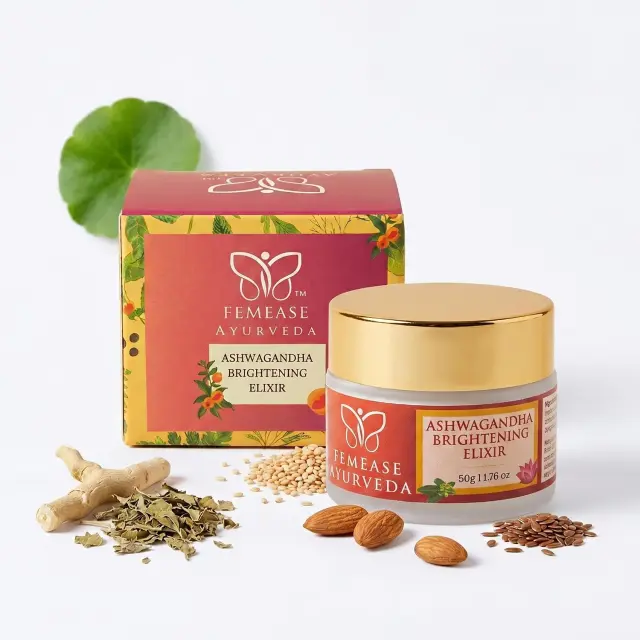
For glow
Ashwagandha Brightening Elixir
50g
849 rupees 43% off
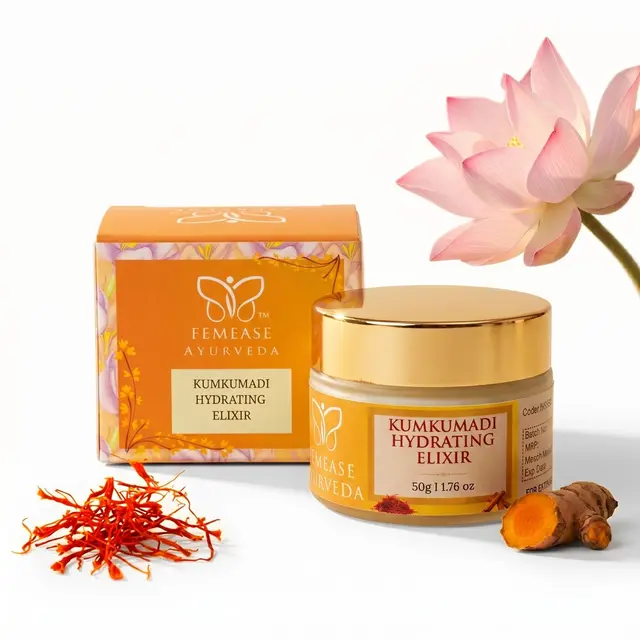
For glow
Kumkumadi Hydrating Elixir
50g
899 rupees
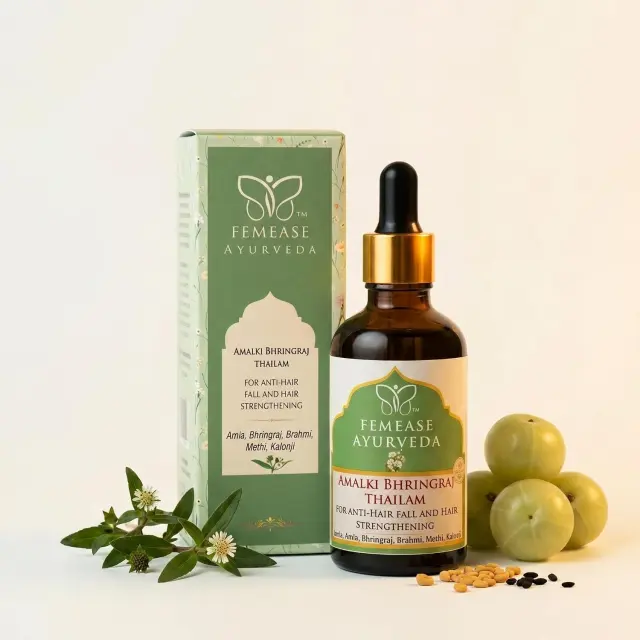
For weak hair
Amalki Bhringraj Thailam for Stronger Hair & Less Breakage
100ml
799 rupees
For weak hair
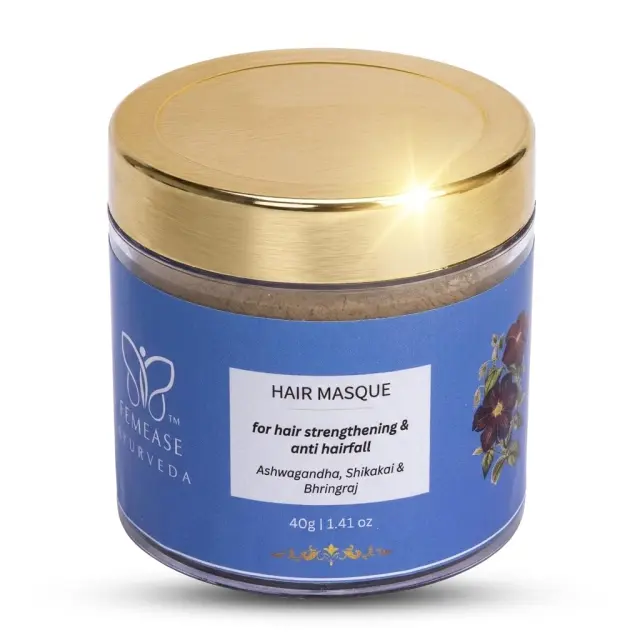
Ashwagandha, Shikakai & Bhringraj Hair Masque for Stronger Hair & Less Breakage
40g
599 rupees 29% off
More about beauty

Does your hair need sunscreen? Hair and scalp sun care
Sun can dry hair, fade colour and burn your scalp. What hair sunscreen does, and easy ways to protect your hair outdoors.

Is lip balm enough? The forgotten steps in lip beauty rituals
Discover the essential daily rituals from exfoliation to sun protection that unlock truly healthy, soft, and nourished lips.

Ayurvedic beauty rituals for modern lifestyles
Ayurvedic beauty rituals for busy days: how to do abhyanga self-massage, a quick ubtan, kansa wand face massage and simple hair oiling at home.

Everyday beauty rituals with epsom, himalayan & sea salts
Discover how these natural salts can elevate your daily skincare, haircare, and self-care routines, no tub necessary.

Dry, dull skin? How AC and pollution affect your skin
Dry or dull skin indoors? Learn how AC, humidifiers and air pollution affect your skin, and simple changes to protect it at home and at work.

Does trimming hair make it grow faster? The truth
Trimming doesn't change how fast hair grows from the root, but it does stop split ends. How hair grows, and how often to trim.
