Dry, dull skin? How AC and pollution affect your skin
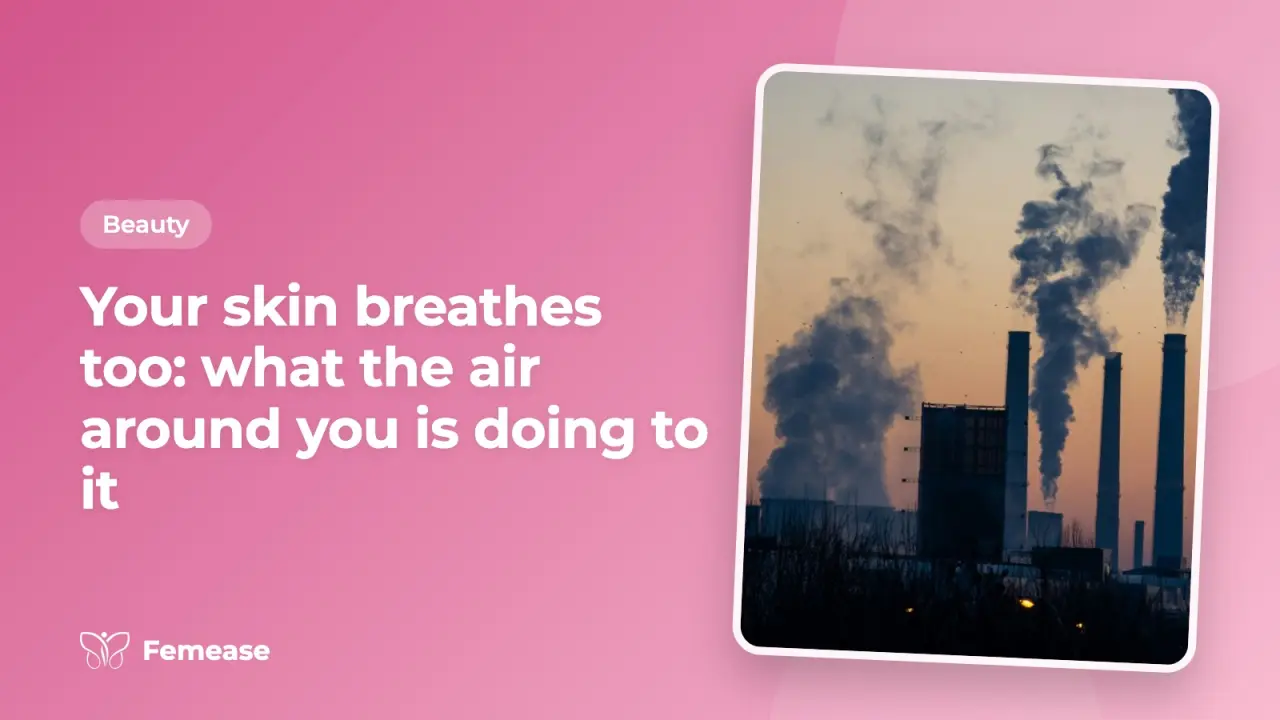
In short: Yes, the air around you affects your skin. AC pulls moisture out of the air, so your skin can feel dry, tight or flaky. Pollution particles settle on your skin and can weaken its barrier, adding to dullness, irritation and dark spots over time. If you sit in AC all day, moisturise and drink water. Wash your face gently every night, wear sunscreen, and keep any humidifier clean.
Ever felt like you are doing everything right for your skin, cleansing, moisturizing, applying sunscreen religiously, yet your glow feels... off? You might want to look beyond your bathroom shelf and peek into your environment. Yes, we are talking about your AC, humidifier, and the pollution outside your window. These invisible influencers could be silently sabotaging your skincare efforts.
1. The AC: Cool comfort, dry disaster
We love our air conditioning, especially during scorching summers. But here is the catch: ACs suck the moisture out of the air and, consequently, out of your skin. Over time, this dehydrated air can lead to dryness, flakiness, increased sensitivity, and even fine lines.
Reality:
- Your skin thrives on humidity. When indoor air is too dry, your skin loses water faster (a process called transepidermal water loss).
- Overcompensation by your skin might trigger more oil production, leading to breakouts.
What you can do:
- Keep a hydrating mist or humectant-rich moisturizer (look for ingredients like hyaluronic acid or glycerin) nearby.
- Limit AC exposure when possible and stay hydrated from the inside out.
2. Humidifiers: Your skin’s friend, but only when used right
Ironically, the same humidifier you bought to combat dry air can turn into a skincare villain if not used correctly.
Here is the truth:
- A dirty humidifier can harbor mold and bacteria, which may spread into the air and aggravate acne, eczema, or respiratory allergies.
- Too much humidity (above 60%) creates a breeding ground for dust mites and skin-irritating microbes.
The fix:
- Clean your humidifier every 2–3 days and use distilled water when possible.
- Keep indoor humidity levels between 40-50%, it is the sweet spot for skin and sinuses alike.
- Do not place it too close to your bed or face.
3. Pollution: The unseen skincare enemy
You may not see the damage immediately, but air pollution is aging your skin, slowly but surely.
Pollution particles (like PM2.5, nitrogen dioxide, and ground-level ozone) cling to your skin and break down your skin’s barrier, making it prone to inflammation, dehydration, dullness, and even premature aging.
Science says:
- Pollution is linked to earlier fine lines, pigmentation, and loss of elasticity.
- Pollutants increase free radical production, which messes with your skin’s ability to repair itself.
Skin-saving tips:
- Use a gentle but effective cleanser at night to remove pollutants.
- If you want to add an antioxidant product, a dermatologist can advise what suits your skin.
- Try an anti-pollution mist or barrier cream if you are in a highly urban area.
While you are investing in serums and creams, your AC, humidifier, and surroundings might be silently undoing the good work. Skincare is not just topical; it is environmental. Once you start factoring in these silent skin influencers, you will notice your products performing better, and your skin thanking you.
Quick checklist to skincare-proof your environment
- Keep your AC at a moderate temperature (22–24°C is ideal).
- Clean your humidifier regularly.
- Use antioxidant-rich skincare to fight pollution.
- Seal in moisture with occlusive ingredients if indoors often.
- Keep indoor plants if you enjoy them, though they do little to clean the air on their own.
Questions women ask
Does AC dry out your skin?
Yes. AC lowers the moisture in the air, so your skin loses water faster and can feel dry, tight or itchy. Keep a moisturiser with glycerin or hyaluronic acid at your desk, sip water through the day, and avoid sitting right in the path of the cold air.
What does air pollution do to your skin?
Pollution particles stick to your skin and can weaken its protective barrier. Over time this can add to dryness, dullness, breakouts, dark spots and early fine lines. Washing your face gently at night, moisturising and wearing sunscreen every day all help protect it.
Is a humidifier good for your skin?
It can help if your room air is very dry, for example when AC runs all day. But a dirty humidifier can spread mould and germs that may worsen acne, eczema or allergies. Clean it every few days, use clean or distilled water, and keep it away from your face.
When should I see a dermatologist for dry or irritated skin?
See a dermatologist if your skin stays itchy, red, cracked or rashy even after you moisturise well, if a rash spreads, or if eczema keeps flaring. If dust or mould in the room makes it hard to breathe, see a doctor too.
General information, not medical advice. Talk to a doctor about your own health.
Talk to a doctor about your skinFrom the Femease store
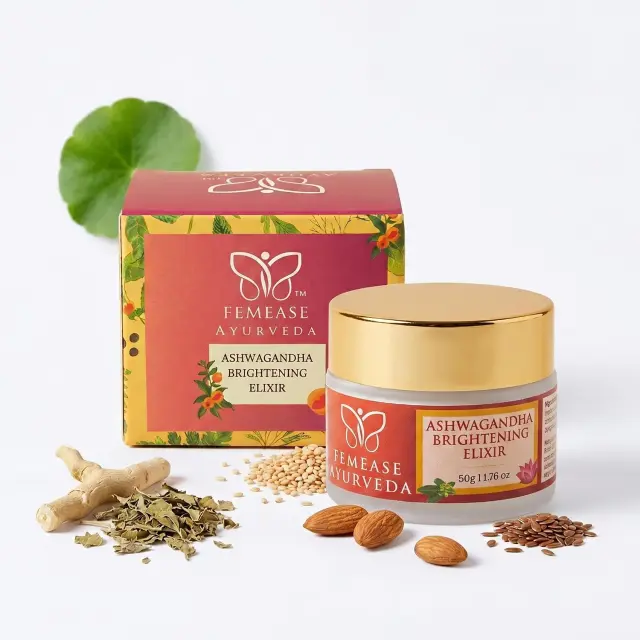
For glow
Ashwagandha Brightening Elixir
50g
849 rupees 43% off
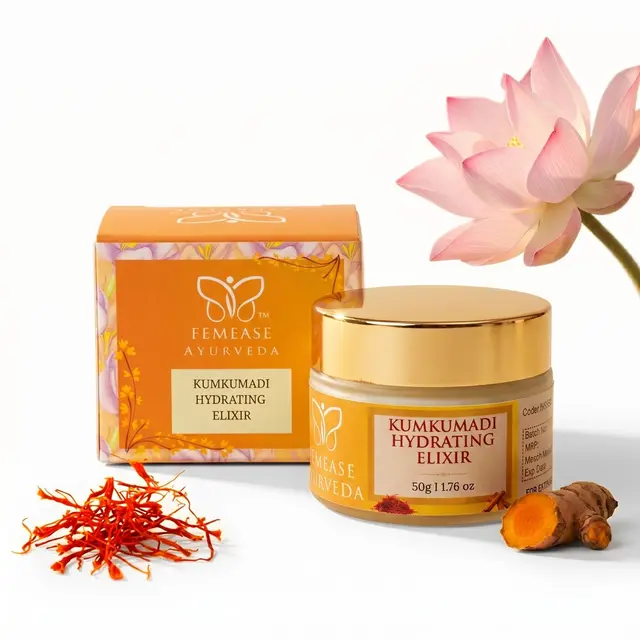
For glow
Kumkumadi Hydrating Elixir
50g
899 rupees
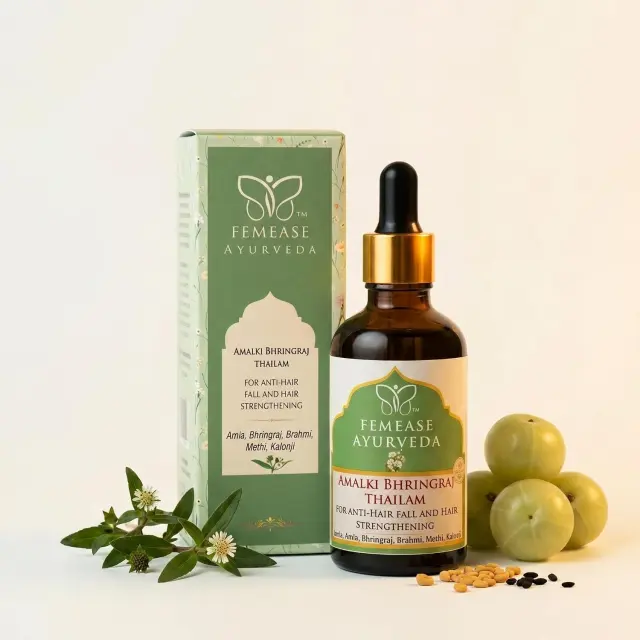
For weak hair
Amalki Bhringraj Thailam for Stronger Hair & Less Breakage
100ml
799 rupees
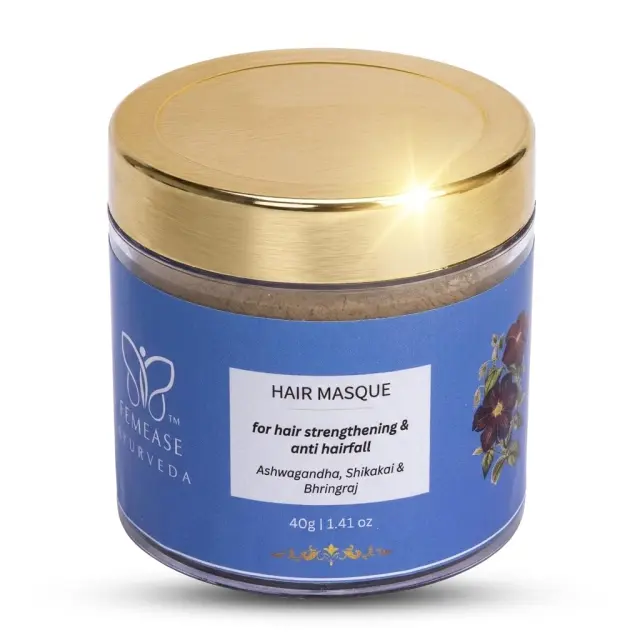
For weak hair
Ashwagandha, Shikakai & Bhringraj Hair Masque for Stronger Hair & Less Breakage
40g
599 rupees 29% off
Keep reading
How air conditioning and indoor heating dry out your skin
The invisible damage from your home/office environment, and how to protect your moisture barrier.

How isolation can dull your senses
Discover how living alone affects your sensory health, and what you can do to stay sharp, connected, and fully alive.

Natural beauty remedies for common skin problems
Acne, dark spots or dry skin? Learn simple Ayurvedic home remedies like neem and turmeric paste, aloe vera masks and kumkumadi oil, and how to use them.

Prepping for climate resilience while pregnant
How to manage heatwaves, air pollution & water safety for yourself and your baby

Does trimming hair make it grow faster? The truth
Trimming doesn't change how fast hair grows from the root, but it does stop split ends. How hair grows, and how often to trim.

Pre-sunscreen rituals
What to apply before sunscreen? Learn the common mistakes before SPF, like oils and actives, and a simple order of serum and moisturiser that works.
