How isolation can dull your senses
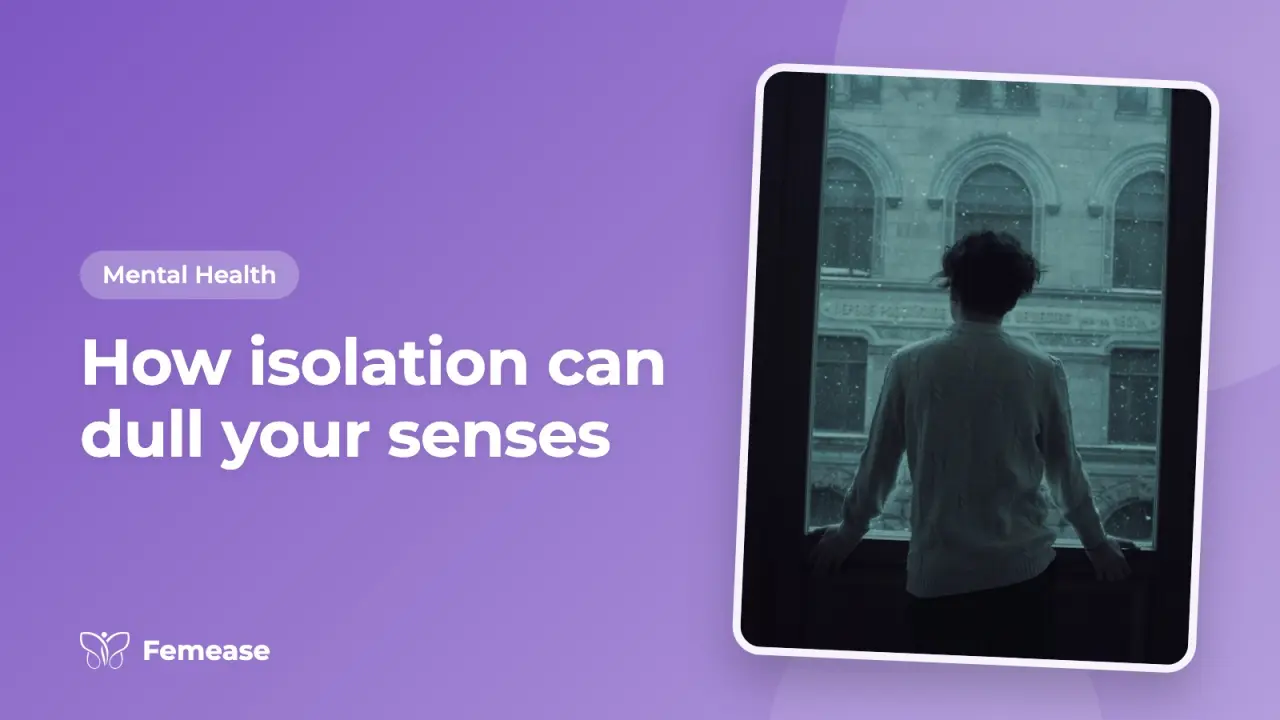
In short: Living alone is not harmful by itself, but long stretches with little company, touch, conversation or variety can leave your senses and mood feeling dull. Some people find that days with little variety leave them feeling less alert. Small daily habits help: cooking with fresh flavours, walks outside, calls with friends and moving your body. If your hearing, smell, taste or vision seem to be getting worse, see a doctor to check for other causes.
Living alone has its perks: freedom, quiet, and control over your space. But beneath the surface, solo living can subtly reshape how your brain and body function, especially when it comes to your senses.
From hearing and touch to smell and sight, our senses are fine-tuned by daily interactions. And when we lack social stimulation, our sensory systems may start to dull, often without us even realizing it.
The surprising link between solo living and sensory health
Your social life may affect not just your mental health but also how sharp your senses and thinking feel.
Living alone, especially for extended periods, can impact our senses in the following ways:
- Hearing: Without regular conversations or environmental variation, auditory stimulation decreases. The brain’s ability to process speech and sound becomes less sharp, especially in older adults.
- Touch: Human touch plays a major role in sensory regulation. A lack of physical contact may dull the body's tactile sensitivity and even increase pain perception.
- Smell and Taste: Cooking for one often leads to a simplified diet or less motivation to prepare meals. Over time, the sense of smell and taste may decline from underuse and lack of exposure to a variety of aromas and flavors.
- Sight: When you don’t leave the house much or engage with visually stimulating environments, your vision may suffer from fatigue, poor focus, or even dry eyes from too much screen time.
Why it happens: The science of sensory “use it or lose it”
Our senses are deeply tied to neuroplasticity, the brain's ability to adapt and reorganize based on experience. Just like muscles, our sensory systems need consistent stimulation to stay strong.
When we live alone, especially in routines with little variation, sensory input becomes repetitive or minimal. This reduced engagement can lead to sensory deprivation, where the brain gets less practice interpreting sensory data, causing a gradual decline.
The mental health connection
Loneliness and depression can amplify sensory decline. When you feel low, you're less likely to engage with your environment, less likely to cook a flavorful meal, take a walk, or meet friends. This becomes a cycle: Less stimulation → duller senses → less motivation → more isolation.
Who is most at risk?
While sensory deficits can affect anyone, certain groups are more vulnerable:
- Older adults who live alone, especially after a loss
- Young adults working remotely or living in urban solitude
- People with limited mobility or chronic illness
- Men living alone, who often have fewer social interactions than women
How to protect your senses while living alone
Sensory health is recoverable. You do not need to move in with roommates, just add intentional variety and connection to your life.
1. Stimulate your senses daily
- Listen to music or podcasts at different volumes and tones
- Cook with spices and fresh ingredients
- Change your lighting or redecorate with texture and color
- Take walks in nature or explore different neighborhoods
2. Connect with others regularly
- Schedule video calls or voice chats, hearing varied speech patterns helps
- Say yes to physical hugs or handshakes when possible
- Volunteer, join a class, or try co-working spaces
3. Touch and movement matter
- Use textured objects or stress balls for hand stimulation
- Get massages or practice self-touch therapies like foam rolling
- Practice yoga, dance, or tai chi to reconnect with your body
4. Mindfulness for the senses
- Try mindful eating: savoring each bite without distraction
- Pause to smell, feel, or listen intentionally each day
- Keep a sensory journal to stay aware of what you experience
Living solo doesn’t mean living in silence or stillness. Our brains and bodies crave sensory variety and human touch; it’s not a weakness, it’s biology.
If you’ve been feeling duller, less present, or oddly disconnected from the world, it might not just be “mental burnout.” It could be your senses calling out for more life.
Questions women ask
What are the effects of living alone on mental health?
Many people enjoy living alone. Problems start when living alone turns into loneliness. Feeling cut off can lower your mood, make you less interested in cooking, walking or meeting people, and that can slowly feed a cycle of more isolation.
How does loneliness affect the brain?
Your brain adapts to what you use. Many people say repetitive days with little conversation or touch leave them feeling flat or less present, and loneliness is linked with low mood.
How can I stay healthy if I live alone?
Add variety and connection on purpose. Cook with spices and fresh ingredients, walk in new places, schedule regular calls, join a class or volunteer, and try yoga or dance. Even a few minutes of mindful eating or listening each day helps.
When should I see a doctor about duller senses?
See a doctor if your hearing, smell, taste or eyesight keep getting worse, or change suddenly. These changes can have other causes that need checking. If loneliness has turned into constant low mood, talking to a therapist or doctor can help.
General information, not medical advice. Talk to a doctor about your own health.
Talk to a therapistKeep reading in the Femease app
Save articles, track your cycle or pregnancy, and talk to a doctor when you need one.
Keep reading
Why trauma warps your sense of time (and what you can do about it)
Understand temporal dysregulation, a lesser-known symptom of trauma, and discover healing strategies that work.

Dry, dull skin? How AC and pollution affect your skin
Dry or dull skin indoors? Learn how AC, humidifiers and air pollution affect your skin, and simple changes to protect it at home and at work.
Healthspan vs. Lifespan
Healthspan vs lifespan: why living well matters as much as living long, and the small daily habits in food, movement, sleep and stress that add up.
Barefoot living & foot strength
Is walking barefoot good for your feet? Learn how shoes can weaken foot muscles, what barefoot living may do for balance, and how to start safely.
How to manage anxiety and stress: what actually helps
Everyday steps that ease anxiety and stress, what to do when your heart races, and when to get help, including India's Tele-MANAS helpline.
When talking fails, this kind of therapy speaks volumes
Hard to put your pain into words? Learn how creative, non-verbal therapies like art, dance and music can help trauma survivors, children and others heal.
