Healthspan vs. Lifespan
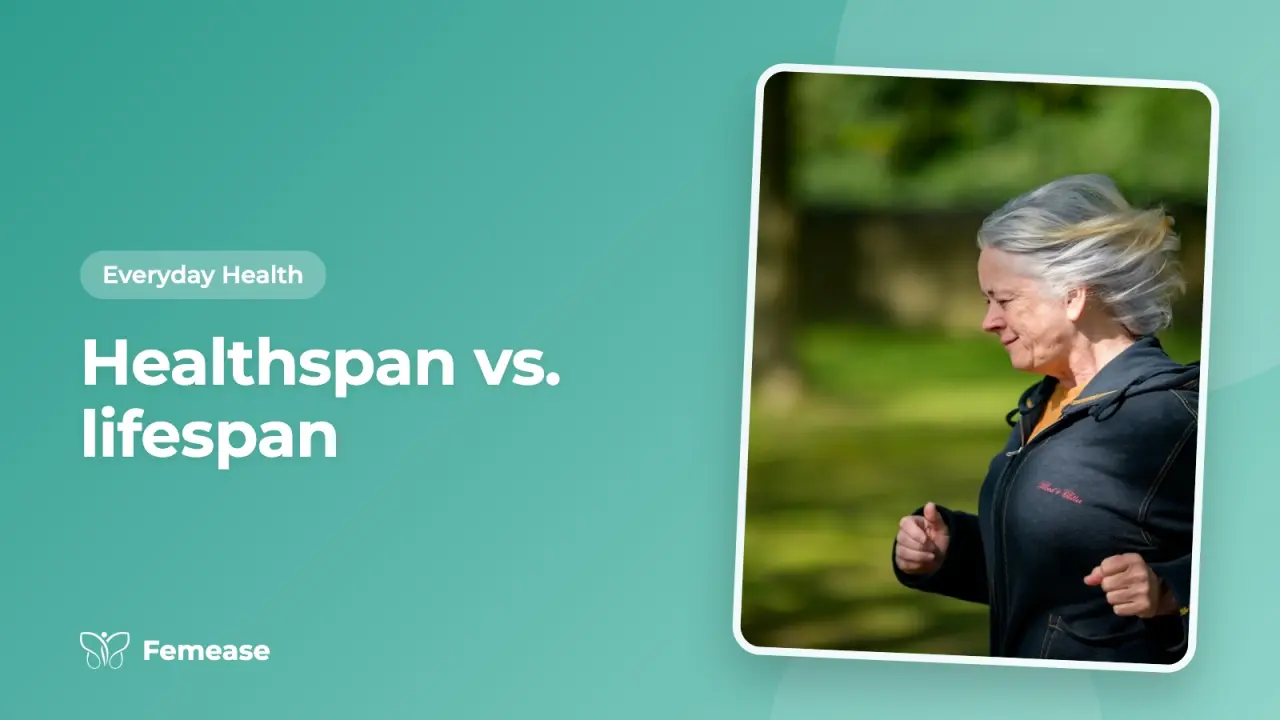
In short: Lifespan is how many years you live. Healthspan is how many of those years you live in good health, active, independent and clear-minded. Many people live long but spend their last years unwell with conditions like heart disease, diabetes or dementia. Small daily habits, such as eating more vegetables, moving often, sleeping well, keeping your mind busy and managing stress, can help add healthy years. Regular check-ups with a doctor help catch problems early.
Imagine living to 90, but spending the last 20 years of your life managing multiple illnesses, in and out of hospitals, and too tired to do the things you love. Now, imagine living to 85, but being active, independent, sharp-minded, and feeling good every single day. That’s the difference between lifespan and healthspan.
Lifespan is how long you live. Healthspan is how long you stay healthy.
In today's world, we're living longer than ever before. But are we living better?
The reality check: Are we just adding years or adding life?
Modern healthcare has helped people live longer than ever. But here’s the catch: many people spend their last years in poor health due to chronic diseases like heart disease, diabetes, arthritis, or dementia.
The gap between lifespan and healthspan can be many years. That’s a long time not to feel like yourself.
But the good news? You have more control over this than you might think.
The secret? small habits, done daily
You don’t need a total life overhaul. In fact, the most sustainable changes often come from tiny, consistent actions that support your physical and mental well-being. Here’s what science and common sense tell us:
Eat food that loves you back
A colorful, mostly plant-based diet is linked to lower rates of chronic illness and inflammation.
Fact: A Mediterranean-style diet (rich in veggies, olive oil, nuts, fish) is linked with better heart health and a longer, healthier life.
Small Habit: Add one extra veggie to your plate every day. Drink water before you reach for soda or juice.
Move often, not just at the gym
You don’t need to train for a marathon. You just need to move regularly.
Fact: Just 150 minutes of moderate activity per week (like brisk walking) lowers the risk of heart disease, stroke, and diabetes.
Small Habit: Set a reminder to stand up every hour. Take the stairs. Walk and talk during phone calls.
Prioritize sleep like your health depends on it
Sleep isn’t just “rest time”; it’s when your body heals, your brain clears waste, and your hormones balance.
Fact: Poor sleep is linked to almost every chronic illness, from obesity to Alzheimer’s.
Small Habit: Stick to a consistent sleep-wake time, even on weekends. Put your phone down 30 minutes before bed.
Train your brain
Cognitive decline isn’t inevitable. Your brain loves a challenge.
Fact: Lifelong learning and social engagement are linked with better memory and lower dementia risk.
Small Habit: Learn something new for 5 minutes a day, a word, a skill, a recipe. Call a friend instead of texting.
Manage stress, don’t just power through
Stress isn’t always bad, but chronic, unmanaged stress can age you faster than time.
Fact: Long-term stress raises cortisol levels, which can lead to inflammation, high blood pressure, and immune dysfunction.
Small Habit: Try 2 minutes of deep breathing or meditation daily. Journal your thoughts. Take mindful pauses.
Questions women ask
What is the major difference between lifespan and healthspan?
Lifespan counts all the years you are alive. Healthspan counts only the years you spend feeling well and able to do what you love. The aim is to close the gap, so you stay healthy for as much of your life as possible.
Why does healthspan matter more for women?
Women often live longer than men but may spend more years with long-term illness. Looking after your heart, bones, weight, sleep and mental health from your 30s and 40s helps you stay strong and independent later.
How can I increase my healthspan?
Eat a colourful, mostly plant-based diet, move every day, keep a regular sleep time, learn new things, stay in touch with people and manage stress. Small habits done daily matter more than big changes you cannot keep up.
Which check-ups help protect healthspan?
Regular check-ups for blood pressure, blood sugar and weight, along with the screening tests your doctor suggests for your age, help catch problems like diabetes and heart disease early, when they are easier to manage.
General information, not medical advice. Talk to a doctor about your own health.
Talk to a doctorKeep reading in the Femease app
Save articles, track your cycle or pregnancy, and talk to a doctor when you need one.
Keep reading
Barefoot living & foot strength
Is walking barefoot good for your feet? Learn how shoes can weaken foot muscles, what barefoot living may do for balance, and how to start safely.
The micro habits that destroys your posture
Is your posture getting worse? Learn the small daily habits that harm it, from text neck and couch slouching to one-shoulder bags, and what to change.
Good sleep: why rest is key to your health
Not sleeping well? Learn why good sleep matters for your health, with simple tips on a regular schedule, bedtime routine, bedroom, caffeine and stress.
How to reset your menstrual cycle: habits that help
Irregular after stress, travel or poor sleep? Everyday habits around food, sleep and stress that support a steadier cycle, and when to see a doctor.
Dehydration myths
Do you really need 8 glasses of water a day? We bust common hydration myths, explain how much water you may need, and when you might need more.
7 surprising signs that you are dehydrated
Always tired or getting headaches? You may be dehydrated. Learn 7 signs women often miss, from dull skin and sugar cravings to poor focus.
