How air conditioning and indoor heating dry out your skin
In short: Yes, air conditioning and room heaters can dry out your skin. An AC removes moisture from the air as it cools it, and a heater warms the air without adding moisture, so the air in the room gets drier. Dry air pulls water out of the top layer of your skin faster, which leaves it tight, flaky, itchy or dull. A few small habits, like short warm baths, moisturising on damp skin and keeping some moisture in the room, usually help a lot.
Here's what happens, and an easy routine for Indian homes and offices.
Why AC and heaters make your skin dry
Your skin's outer layer works like a wall. Skin cells are the bricks and your skin's own oils are the cement. This "skin barrier" keeps water in and irritants out, and your skin barrier affects your whole health, not just how your skin looks.
When the air around you is dry, water escapes from your skin more easily. Doctors call this transepidermal water loss. Over hours and days, the barrier gets weaker. Cleveland Clinic explains that climates that lack humidity, like very dry or cold, windy places, cause dry skin. Indoor air conditioned to be cool or heated to be warm can have the same effect in a single room.
How AC dries the air
An AC cools air by passing it over cold coils. Moisture in the air condenses on the coils and drains away, which is why an AC drips water outside. So a room that is cool is also drier than the muggy air outside. In Indian summers, many people spend the whole day in AC: at home, in the car or cab, at the office, in the mall, then sleep with the AC on all night.
How heaters dry the air
In north Indian winters, room heaters and blowers are common. Warm air can hold more moisture, but a heater doesn't add any, so the room feels dry. Long, very hot baths, which many of us love in winter, strip oils from the skin too.
Signs your indoor air is drying out your skin
You may notice:
- skin that feels tight after washing your face or bathing
- flaky patches, especially on shins, arms, hands and around the nose
- itching, which may be worse at night
- a dull or ashy look; on brown skin, dryness often shows as a grey or white sheen
- rough elbows, knees and heels; cracked heels in winter
- dry, chapped lips
- makeup that looks patchy by afternoon
- eczema patches that flare up
Cleveland Clinic notes that severe dry skin may crack and bleed.
Who is more likely to get dry skin indoors
- people who spend long hours in AC offices or sleep with AC all night
- anyone with eczema or sensitive skin
- women in perimenopause or after menopause; the NHS lists dry and itchy skin among menopause symptoms
- older adults, as skin oil glands become less active with age, according to Cleveland Clinic
- people who take long, hot baths or use harsh soaps
How to protect your skin from AC and heater dryness
These tips are based on advice from the American Academy of Dermatology (AAD) and Cleveland Clinic. For more on what the air indoors and outdoors does to your skin, see your skin breathes too.
1. Keep baths short and warm, not hot
The AAD suggests limiting baths and showers to 5 to 10 minutes, with warm water. Close the bathroom door to keep the steam in. Pat your skin dry gently with a towel instead of rubbing.
2. Moisturise on damp skin
The AAD advises applying moisturiser right after bathing, while your skin is still damp, and again after washing your hands and whenever your skin feels dry. Creams and ointments work better than light lotions for very dry skin. Choose fragrance-free products if your skin is sensitive.
Many traditional Indian routines already follow this idea, like oiling the skin around bath time. If you use oil, apply it to slightly damp skin. If you get pimples easily, keep heavy oils off your face.
3. Use a gentle cleanser
Harsh soaps strip your skin's own oils. The AAD recommends a gentle cleanser. You don't need to scrub, and you don't need to wash your face many times a day.
4. Add some moisture to the air
The AAD suggests using a humidifier, ideally in the bedroom while you sleep, and cleaning it regularly to prevent mould. The US Environmental Protection Agency (EPA) advises keeping indoor humidity below 60%, ideally between 30% and 50%, to limit mould.
If a humidifier isn't practical, small things help:
- don't point the AC or heater directly at your face or bed
- set the AC to a comfortable temperature instead of the coldest setting
- some people keep a bowl of water near the room heater; there is little research on how much this helps
- air the room out for a few minutes each day
In humid coastal cities like Mumbai or Chennai, the air outdoors may already be very moist, so a humidifier may not be needed. Too much humidity can encourage mould and dust mites.
5. Drink enough water
Cleveland Clinic lists preventing dehydration as one way to help dry skin. Drinking water won't fix dry skin on its own, but being dehydrated won't help either. Keep a bottle at your desk, as AC rooms can make you forget you're thirsty. These surprising signs that you are dehydrated are worth knowing.
6. Look after lips and hands
The AAD suggests lip balm or petroleum jelly for dry lips. Hands go through the most washing and sanitiser, so moisturise after each wash if you can.
7. Keep sunscreen in your routine
The AAD recommends a broad-spectrum sunscreen of SPF 30 or more. Sitting near a sunny window or stepping out for lunch still counts.
A simple daily routine for AC days
Morning: short warm shower, gentle cleanser, moisturiser on damp skin, sunscreen.
At the office: water bottle at your desk, a small tube of hand cream and lip balm, a light layer of moisturiser on dry patches in the afternoon.
Night: gentle cleanser, a richer cream or ointment on dry areas, AC set to a comfortable temperature and not blowing on your face.
When to see a doctor
Cleveland Clinic advises calling a doctor if your dry skin:
- itches all the time and affects your sleep or daily life
- looks infected (red, warm or swollen)
- is painful to touch
- develops a rash
Also see a doctor if:
- your skin cracks and bleeds
- you think you have eczema, or your eczema keeps flaring
- dryness doesn't improve after two or three weeks of good care
- dry skin comes with other changes like tiredness, weight changes, hair loss or feeling cold all the time, which can have other causes worth checking, such as thyroid problems (the thyroid signs check on Femease's health checks can help you note these)
A dermatologist can help work out the cause and talk to you about treatment options. You can also speak to a doctor online to start.
Questions women ask
Does AC dry out your skin?
Yes, it can. AC removes moisture from the air as it cools it, and dry air pulls water from your skin's outer layer. Long hours in AC can leave skin tight, flaky and itchy.
Is sleeping in AC bad for your skin?
Not if you take care. Keep the AC at a comfortable temperature, don't let it blow on your face, moisturise before bed, and consider a humidifier if your room gets very dry.
Does a room heater cause dry skin?
It can. Heaters warm the air without adding moisture, so the room gets drier. Very hot baths in winter add to the problem. Short warm baths and moisturising on damp skin help.
What humidity is good for skin indoors?
The US EPA advises keeping indoor humidity below 60%, ideally between 30% and 50%, mainly to limit mould. A cheap humidity meter can tell you where your room stands.
Can drinking more water stop dry skin from AC?
Water helps you avoid dehydration, which is good for skin, but on its own it won't fix dry skin. You also need to protect your skin barrier from the outside with gentle cleansing and moisturiser.
Sources
- American Academy of Dermatology (AAD): Dermatologists' tips for relieving dry skin
- Cleveland Clinic: Dry skin
- US Environmental Protection Agency (EPA): A brief guide to mold, moisture and your home
- NHS: Menopause symptoms
General information, not medical advice. Talk to a doctor about your own health.
Talk to a doctor about your skinFrom the Femease store
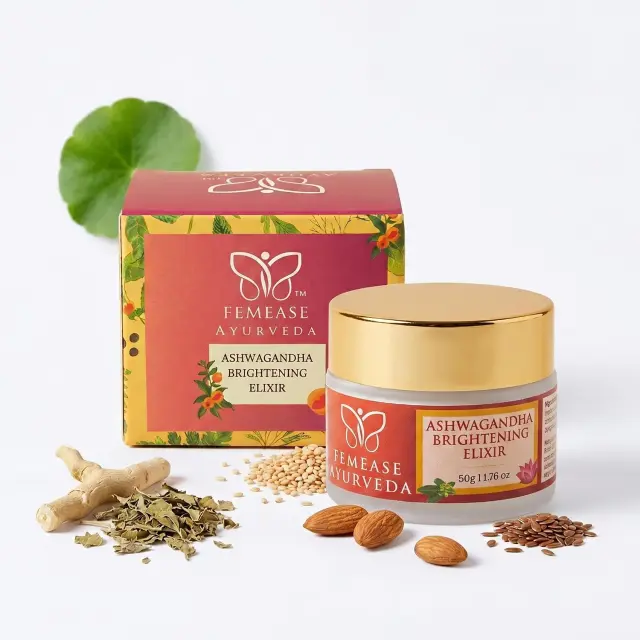
For glow
Ashwagandha Brightening Elixir
50g
849 rupees 43% off

For glow
Kumkumadi Hydrating Elixir
50g
899 rupees
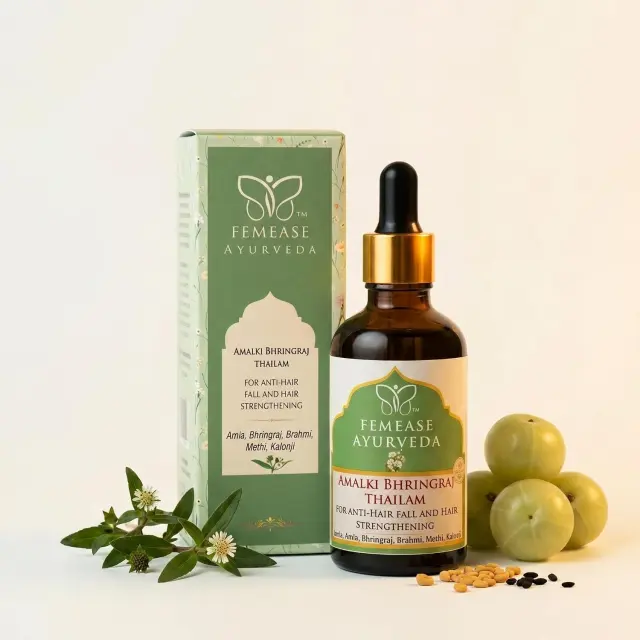
For weak hair
Amalki Bhringraj Thailam for Stronger Hair & Less Breakage
100ml
799 rupees
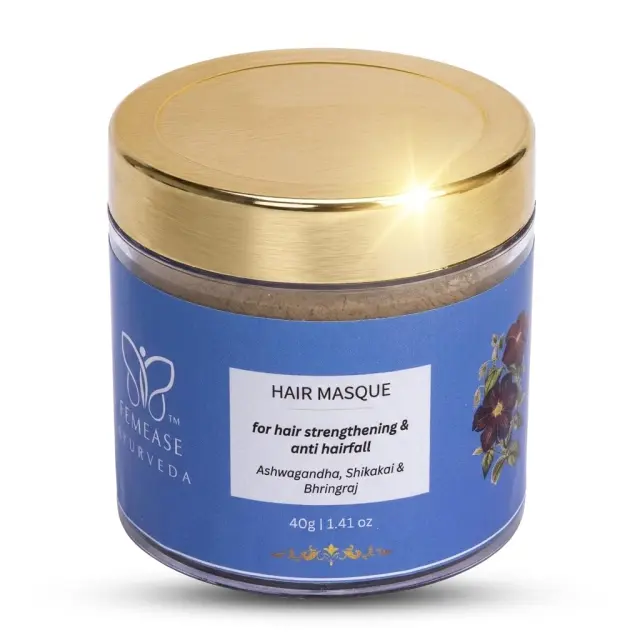
For weak hair
Ashwagandha, Shikakai & Bhringraj Hair Masque for Stronger Hair & Less Breakage
40g
599 rupees 29% off
Keep reading

Dry, dull skin? How AC and pollution affect your skin
Dry or dull skin indoors? Learn how AC, humidifiers and air pollution affect your skin, and simple changes to protect it at home and at work.

Natural beauty remedies for common skin problems
Acne, dark spots or dry skin? Learn simple Ayurvedic home remedies like neem and turmeric paste, aloe vera masks and kumkumadi oil, and how to use them.

How your skin barrier affects your whole health
Your skin isn’t just about looking good, it’s your body’s first line of defense. Here’s how taking care of it strengthens your overall health.

The invisible grief of unlived lives
Mourning the paths you did not take: childfree life, missed career, lost dreams, and making peace with it.

Understanding ingredients vs. Marketing hype
Decode skincare labels, spot marketing traps, and choose what actually works for your skin.

Makeup for changing skin over 40
Why the same products don’t work forever, and what your skin needs now
