Understanding ingredients vs. Marketing hype
In short: Words like clinically proven, dermatologist recommended and natural on the front of a pack are marketing, not proof. The ingredient list on the back tells you more: ingredients are listed from most to least, so the first few make up most of the product. Look for well-studied ingredients like hyaluronic acid and ceramides, keep your routine simple, and patch test anything new.
Ever stood in the skincare aisle, reading a label that sounds more like a science textbook mixed with a beauty influencer's dream? You are not alone. From “infused with hyaluronic acid” to “contains 24K gold and diamond dust”, brands have mastered the art of making products sound powerful even if the truth is far more... underwhelming.
The Hype: Buzzwords That Sell
1. “Clinically proven” Sounds impressive, right? But here is the catch: clinically proven can mean almost anything. There is no strict regulation on what counts as “clinical” unless specific details are shared. One internal company test on five people could technically make that claim. Always ask: Where is the proof? Was the study independent? Was it peer-reviewed?
2. “Dermatologist recommended” This does not mean all dermatologists agree, or that it is the best choice for your skin. Sometimes, just one dermatologist’s endorsement can allow brands to make this sweeping claim. What you want are dermatologist-tested products with transparent data, especially for sensitive skin.
3. “Natural” and “Organic” These words are not the same as non-toxic, safe, or effective. “Natural” is not regulated in many countries, which means a product can have 1% aloe vera and 99% synthetics and still call itself natural. Organic labels carry more weight, but only if they are certified by reputable bodies like the USDA or COSMOS.
The reality: Reading the ingredient list
1. Ingredients are listed by concentration The first five ingredients make up the bulk of the product. So if “rose extract” is way down near the end of the list, it’s likely in a tiny (read: barely-there) amount—despite being splashed across the front of the packaging.
2. Active ingredients matter Look for scientifically supported ingredients like:
- Hyaluronic Acid: A humectant that attracts water to the skin.
- For acne, uneven tone or redness, ask a dermatologist what suits your skin.
- Ceramides: Lipids that restore the skin barrier, excellent for dryness and eczema.
These have clinical research to back them up. Not just pretty packaging.
3. Less can be more A 20-step skincare routine may work for some, but many dermatologists recommend keeping it simple. Overuse of actives or layering too many products can damage your skin barrier. Think: cleanse → treat → moisturize → protect (SPF).
Marketing red flags to watch out for
- “Chemical-free” – Everything, even water, is a chemical. This phrase is pure fear-mongering.
- “Non-comedogenic” – There is no universal standard; it doesn’t guarantee it won’t clog your pores.
- “Suitable for all skin types” – That is rarely true. Oily, sensitive, dry, and acne-prone skin all have different needs.
How to shop smarter
Use ingredient checker tools Websites like INCIdecoder or Skincarisma help you understand what each ingredient does and whether it’s worth your time.
Patch test everything Even if it’s raved about. Your skin is unique.
Beware of “miracle” claims No cream erases wrinkles overnight. Period. Skincare is about long-term health, not overnight transformations.
Do not confuse price with performance A $100 cream might not be any better than a $20 one if the active ingredients and formulations are the same. You are often paying for branding.
Marketing speaks in glitter. Ingredients speak in truth. If you want to care for your skin, hair, or body the right way, look beyond the hype. Learn the basics, be skeptical of miracle claims, and give your skin what it needs, not what the ads tell you it wants.
Because real beauty doesn’t come in a jar. It comes from knowledge, consistency, and treating yourself with honesty.
Questions women ask
How do I read ingredient labels on skincare?
Start with the back of the pack, not the front. Ingredients are listed in order of amount, so the first five make up most of the product. If a hero ingredient from the front sits near the end of the list, there is probably only a tiny amount in it.
What does clinically proven mean on skincare?
It can mean almost anything, because there is no strict rule on what counts as clinical. A brand's own small test can be enough to use the phrase. Ask who did the study, how many people were in it, and whether it was independent.
Is chemical-free skincare better?
Chemical-free is a marketing phrase, not a real category. Everything, even water, is a chemical. Natural does not automatically mean safe or effective either. What matters is whether the ingredients suit your skin and are backed by research.
Which skincare ingredients actually work?
Some well-studied ones are hyaluronic acid for hydration and ceramides for a weak, dry skin barrier; for acne, uneven tone or redness, ask a dermatologist what suits you. A simple routine of cleanse, moisturise and sunscreen is enough for most people.
Does a more expensive skincare product work better?
Not necessarily. If two products have the same key ingredients in a similar formula, the costlier one may only have better branding. Read the ingredient list, patch test, and give a product a few weeks before judging it.
General information, not medical advice. Talk to a doctor about your own health.
Talk to a doctor about your skinFrom the Femease store
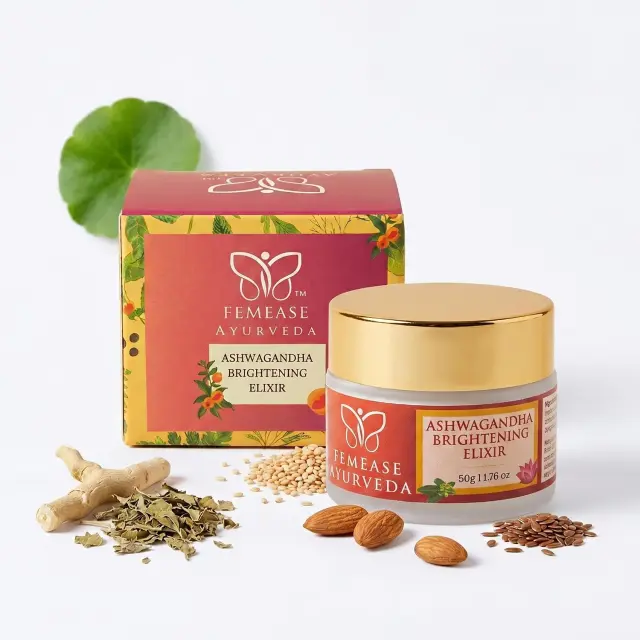
For glow
Ashwagandha Brightening Elixir
50g
849 rupees 43% off
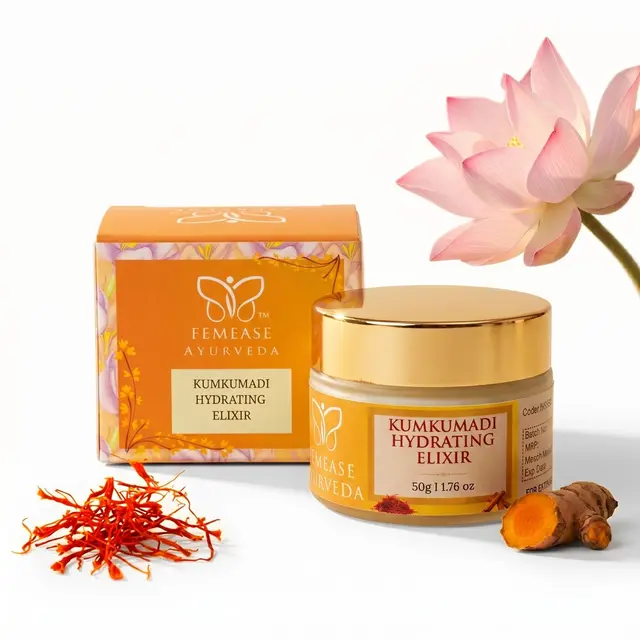
For glow
Kumkumadi Hydrating Elixir
50g
899 rupees
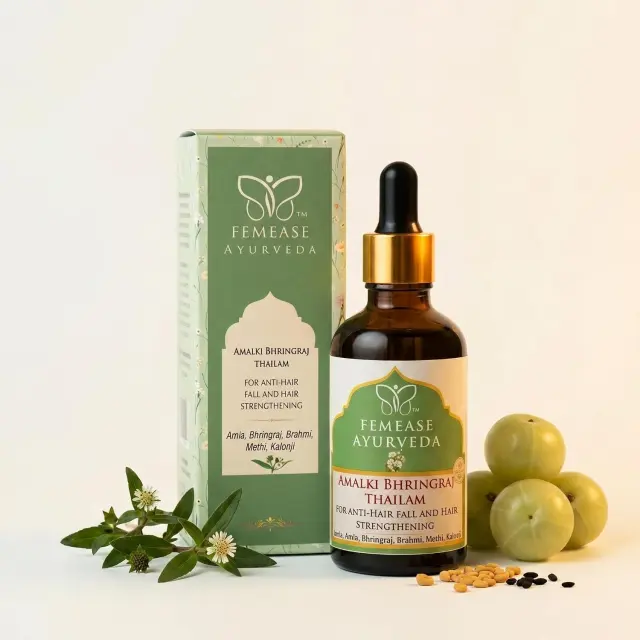
For weak hair
Amalki Bhringraj Thailam for Stronger Hair & Less Breakage
100ml
799 rupees
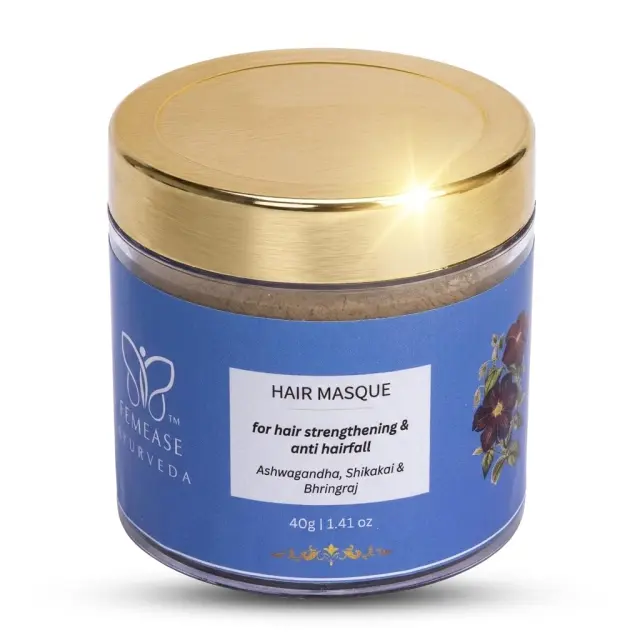
For weak hair
Ashwagandha, Shikakai & Bhringraj Hair Masque for Stronger Hair & Less Breakage
40g
599 rupees 29% off
Keep reading
Unlocking radiance
Glowing skin with Ayurveda: find your dosha, vata, pitta or kapha, and simple skincare tips for each, from oils and gentle masks to cooling ingredients.

Skin fasting
What is skin fasting? Learn what happens when you pause your skincare routine, signs your skin may need a break, and how to try a gentle skin fast.

Understanding menopause-induced weight gain
What is happening with metabolism, belly fat, and insulin resistance, and how to work with your body, not against it.

Embrace Ayurveda for glowing skin and lustrous skin
The Power of Ubtans, Mists, and Thailams from Femease’s Skincare and Haircare Range
Hormonal acne vs. Fungal acne
Hormonal acne or fungal acne? Learn how to tell them apart by how they look and feel, why they need very different care, and when to see a doctor.

How air conditioning and indoor heating dry out your skin
The invisible damage from your home/office environment, and how to protect your moisture barrier.
