Hormonal acne vs. Fungal acne
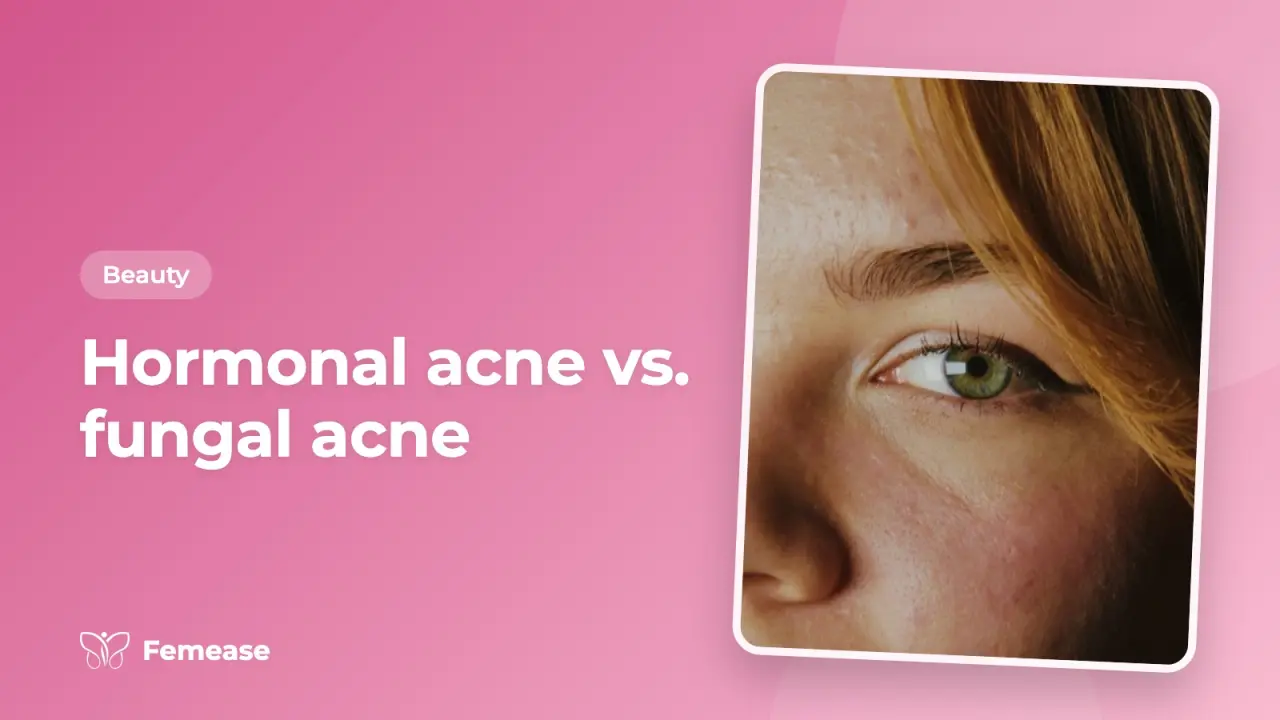
In short: Hormonal acne shows up as deep, sore, slow-healing bumps around the chin and jawline, often flaring around your period, with stress or with PCOS. Fungal acne is caused by an overgrowth of yeast on the skin and looks like tiny, itchy bumps of the same size on the forehead, chest, shoulders or upper back. They need very different care, so if your breakouts are not settling, see a dermatologist to find out which one you have.
Ever felt like you are trying every acne product out there, but your breakouts just will not budge? You are not alone. The truth is, a lot of people treat their acne the wrong way, not because they are careless, but because they are treating the wrong kind of acne.
Two of the most confused culprits? Hormonal acne and fungal acne.
They might look similar at first glance, but they have different causes, symptoms, and treatments. Here is how to tell them apart, and finally give your skin what it is asking for.
So, What Is Hormonal Acne?
Hormonal acne is exactly what it sounds like: breakouts triggered by shifts in your hormones. It usually starts showing up in your 20s or 30s (even if you were acne-free as a teen), and often flares up around your menstrual cycle, during periods of stress, or due to conditions like PCOS.
These breakouts tend to cluster around the lower part of the face, think chin, jawline, and sometimes cheeks. The pimples are usually deep, painful, and slow to heal. They can feel like hard lumps under your skin and sometimes never even come to a head.
You might also notice that your skin feels extra oily or congested during flare-ups, and no matter how many topical creams you try, nothing seems to fix it.
And What Exactly Is Fungal Acne?
Now, here is where it gets tricky: fungal acne is not technically acne at all. It is caused by a yeast (yes, a fungus!) called Malassezia that lives on our skin. Under certain conditions, like humid weather or sweaty clothes, this yeast can overgrow and cause tiny, itchy, acne-like bumps.
These bumps appear on the forehead, shoulders, upper back, or chest. Unlike hormonal acne, fungal acne is not painful, but it is super itchy. The bumps are usually the same size, often appear in clusters, and do not respond to regular acne treatments. Using traditional acne creams or oily moisturizers can make it worse.
The major differences in how they feel and look
Let us talk about real-life signs.
Hormonal acne often feels deep, sore, and stubborn. You might feel a painful bump before it even becomes visible. It usually shows up in the same areas, especially around your time of the month, and it can take days (or even weeks) to calm down.
Fungal acne, on the other hand, is more about discomfort than pain. The itching can drive you up the wall, especially in hot or sweaty conditions. The bumps are surface-level, small, and all look nearly identical, kind of like tiny whiteheads, but without the drama of swelling or pus.
How to treat them (spoiler: very differently)
This is where things matter. Because if you are using regular anti-acne products on fungal acne? You are not helping, and might be making it worse. And fungal acne treatments will not do much for hormonal acne either.
To tackle hormonal acne, you need to work on the inside and outside. That might include:
- Treatment options a dermatologist or doctor can explain, depending on what suits you
- A diet that supports hormonal balance, less sugar, more fiber, and healthy fats
- Lifestyle changes like stress management, better sleep, and gentle exercise
To treat fungal acne, focus on restoring balance to your skin’s microbiome. You can:
- Ask a dermatologist about the right treatment for the affected areas
- Keep your skin clean and dry, especially after sweating
- Avoid thick creams, oils, and anything that traps moisture
Questions women ask
What is the difference between fungal acne and hormonal acne?
Hormonal acne is triggered by hormone shifts and causes deep, painful bumps around the chin and jaw. Fungal acne is caused by a yeast on the skin and causes small, very itchy bumps that all look alike, usually on the forehead, chest, shoulders or back.
How do I know if I have fungal acne?
Fungal acne is itchy rather than painful, and the bumps are small, surface-level and nearly identical, often in clusters. It tends to get worse in humid weather or after sweating, and it does not get better with regular acne products. A dermatologist can confirm it.
What causes fungal acne?
It is caused by a yeast called Malassezia that normally lives on our skin. Heat, humidity, sweat and tight or sweaty clothes can let it overgrow. Thick, oily products that trap moisture can make it worse, so keep skin clean and dry after sweating.
What are the signs of hormonal acne?
Deep, sore bumps on the chin, jawline and sometimes cheeks, which can feel like hard lumps and may never come to a head. They often flare before or during your period, with stress or with PCOS. If you also have irregular periods or extra facial hair, see a gynaecologist to check for PCOS.
Can I treat fungal acne and hormonal acne the same way?
No. Regular acne products often do not help fungal acne, and fungal acne care will not fix hormonal acne. Ask a dermatologist which kind you have before trying treatments.
General information, not medical advice. Talk to a doctor about your own health.
Talk to a doctor about your skinFrom the Femease store
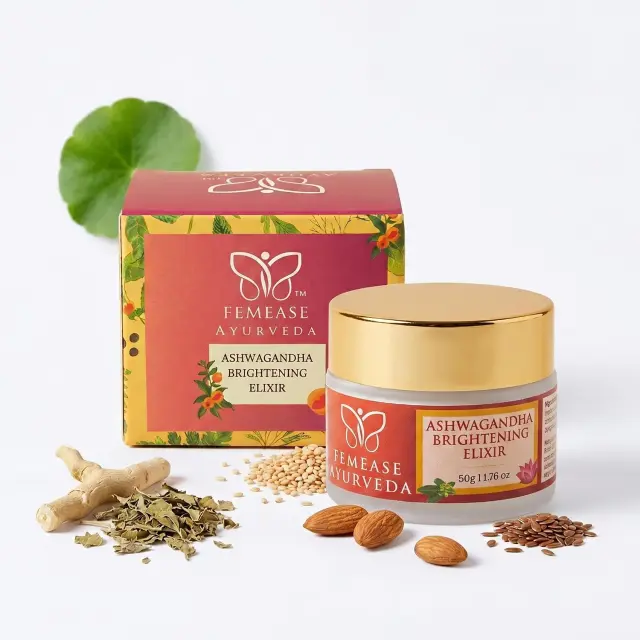
For glow
Ashwagandha Brightening Elixir
50g
849 rupees 43% off
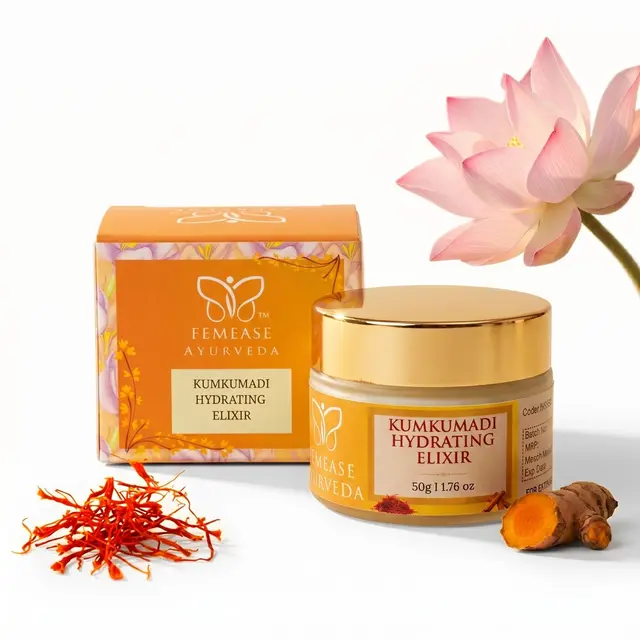
For glow
Kumkumadi Hydrating Elixir
50g
899 rupees
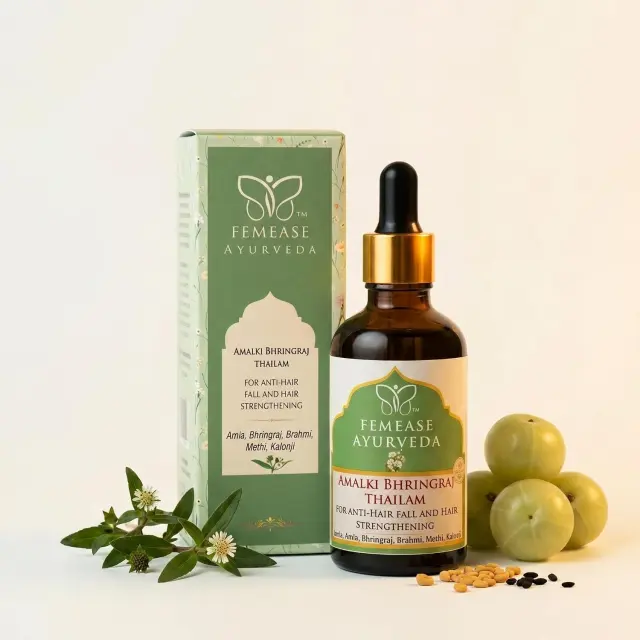
For weak hair
Amalki Bhringraj Thailam for Stronger Hair & Less Breakage
100ml
799 rupees
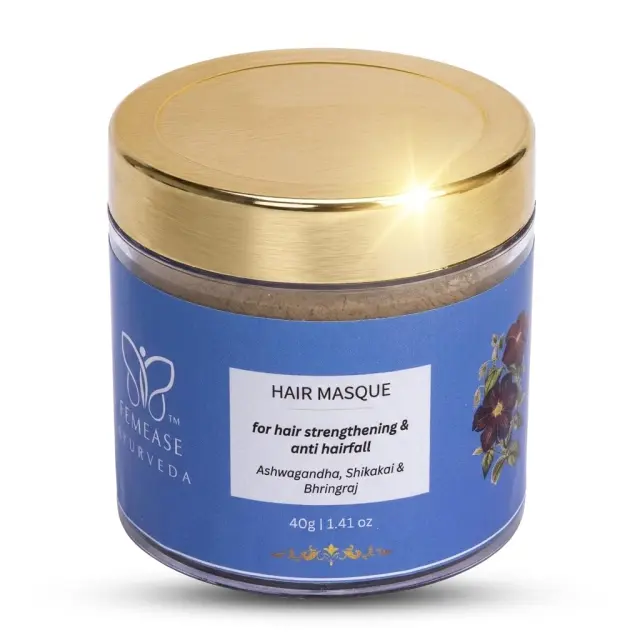
For weak hair
Ashwagandha, Shikakai & Bhringraj Hair Masque for Stronger Hair & Less Breakage
40g
599 rupees 29% off
Keep reading
Hormonal acne in adults: It’s not just a teen problem
Why are women in their 30s and 40s still breaking out, and how can they manage it naturally and holistically?
Balancing hormones naturally
Signs of hormonal imbalance like fatigue, acne or irregular periods? Learn how food, sleep, stress care and movement can support your hormones.
Natural beauty remedies for common skin problems
Acne, dark spots or dry skin? Learn simple Ayurvedic home remedies like neem and turmeric paste, aloe vera masks and kumkumadi oil, and how to use them.
PCOS and PMDD: how they overlap and differ
Irregular periods, acne and intense mood swings before your period? How PCOS and PMDD overlap, why the link is often missed, and what you can do.

Breathe to glow
Can breathing help your skin glow? Learn how deep breathing supports lymph flow, signs your lymph needs support, and a simple breathwork routine.
Understanding ingredients vs. Marketing hype
Decode skincare labels, spot marketing traps, and choose what actually works for your skin.
