Hormonal acne in adults: It’s not just a teen problem
In short: Hormonal acne is breakouts linked to shifting hormones, and it can start or return in your 30s and 40s. It usually shows up as deep, sore pimples on the chin, jawline and lower cheeks, often worse before your period. Stress, PCOS, thyroid problems, perimenopause and the months after childbirth can all play a part. Keep skincare gentle, and see a dermatologist or gynaecologist if acne is painful, leaves marks, or comes with irregular periods or extra facial hair.
When we think of acne, we often picture teenage years filled with school stress, oily skin, and store-bought spot treatments. But what if we told you that many women in their 30s and 40s still struggle with persistent breakouts, especially around the jawline, chin, and cheeks? Welcome to the world of hormonal acne in adult women, a frustrating, often misunderstood skin concern that is more common than you might think.
What is hormonal acne, and why now?
Hormonal acne is not just about oily skin. It is rooted in internal imbalances, especially fluctuating estrogen, progesterone, and androgens (like testosterone). This type of acne tends to show up as deep, painful cysts or recurrent pimples that just will not go away with store-bought creams.
So why does it show up in your 30s and 40s?
Stress & cortisol surges: Juggling work, family, aging parents, and personal goals? Chronic stress spikes cortisol, which disrupts hormone balance.
Perimenopause & Menstrual Irregularities: As estrogen begins to decline and cycles change, androgens may dominate, leading to increased sebum (oil) production and clogged pores.
Postpartum Shifts & PCOS: Women with PCOS or post-pregnancy hormonal dips may see breakouts reappear or worsen.
Real talk: If you are battling monthly breakouts along your chin, jawline, or neck, those painful under-the-skin ones it is not in your head. It is hormonal.
Common signs of hormonal acne
Pimples and cysts around the lower face and jawline
Acne that worsens before your period
Breakouts accompanied by mood swings, bloating, or irregular periods
Skin that does not improve with typical acne products
How to manage hormonal acne holistically
You do not need to nuke your skin with harsh chemicals or chase quick fixes (a doctor can explain the treatment options that suit you). A holistic approach combines lifestyle changes, Ayurvedic wisdom, diet tweaks, and gentle skincare, addressing the root cause, not just symptoms.
1. Balance from within: Focus on hormone health
Eat balanced meals: Include healthy fats (avocados, nuts, flax seeds), protein and plenty of vegetables through your cycle.
Ayurvedic herbs: Ashwagandha and Shatavari are traditionally used in Ayurveda to support women's health and help the body cope with stress. They work alongside, not instead of, your doctor's care. If you are pregnant, breastfeeding, have a health condition or are on treatment, check with your doctor before taking any herb.
Check for PCOS or thyroid issues: These can often trigger adult acne. Blood tests and ultrasound help identify hidden causes.
2. Heal your gut
A healthy gut is part of your overall health.
Add curd, fiber-rich veggies, and enough water to your day.
Avoid inflammatory foods like refined sugar, dairy (if sensitive), and processed snacks.
3. Skincare that supports, not strips
Use gentle, non-comedogenic products. Avoid alcohol-heavy toners.
A dermatologist can advise which acne-care ingredients suit your skin.
Weekly clay masks (like multani mitti) can help soak up excess oil, but do not overdo them.
Pro tip: Over-cleansing or scrubbing makes hormonal acne worse. Go for skin barrier repair, not over-correction.
4. Prioritize stress relief
Chronic stress = chronic acne.
Try yoga, deep breathing, journaling, or daily walks in nature to regulate cortisol.
Do not underestimate sleep hygiene; your skin heals while you rest.
Ayurveda’s take on hormonal acne
According to Ayurveda, hormonal acne is linked to Pitta and Vata imbalance, manifesting as internal heat, inflammation, and dryness. Here's how to cool and ground your system:
Favor cooling foods (coconut water, cucumber, mint).
Avoid spicy, oily, and overly salty foods.
Incorporate Abhyanga (self-oil massage) with calming oils like sesame or Brahmi to help you relax.
Questions women ask
What causes hormonal acne in adult women?
Changes in oestrogen, progesterone and androgens, the male-type hormones, can make skin oilier and pores clog more easily. Common triggers are long-term stress, the days before your period, PCOS, perimenopause and hormone shifts after pregnancy. Thyroid problems can also play a part.
Why am I getting acne on my chin in my 30s?
Chin and jawline breakouts are a classic sign of hormonal acne, especially if they flare before your period. Stress, poor sleep and harsh scrubbing can make them worse. If they come with irregular periods, hair thinning or extra facial hair, ask a gynaecologist to check for PCOS.
How can I tell if my acne is hormonal?
Look for deep, tender bumps on the lower face and jawline, flares at the same point in your cycle, and acne that does not improve with usual products. Mood swings, bloating or irregular periods alongside it are further clues.
What helps hormonal acne at home?
Use a gentle, non-comedogenic face wash and moisturiser, avoid scrubbing or picking, and wear sunscreen. Manage stress, sleep well, and eat regular meals with fewer sugary and processed foods. Do not start herbal supplements on your own; a doctor can suggest the right treatment.
General information, not medical advice. Talk to a doctor about your own health.
Talk to a doctor about your skinFrom the Femease store
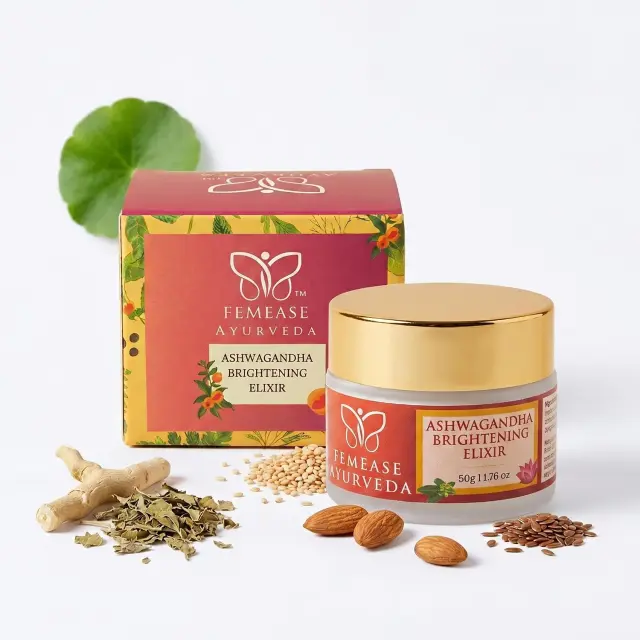
For glow
Ashwagandha Brightening Elixir
50g
849 rupees 43% off
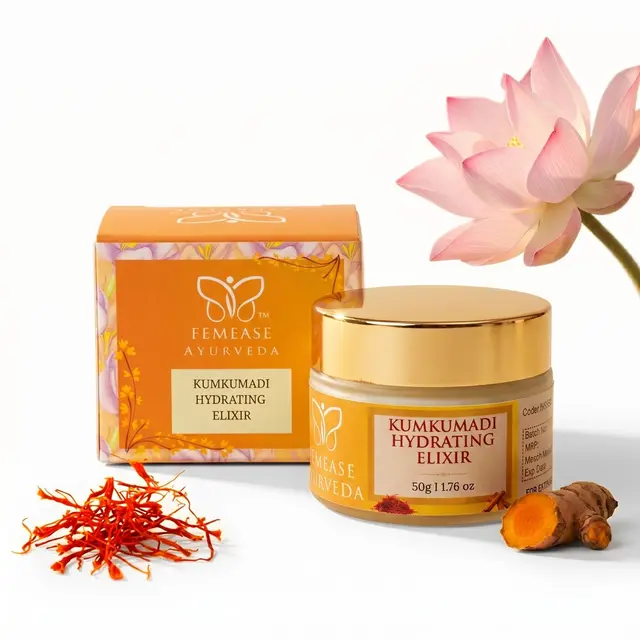
For glow
Kumkumadi Hydrating Elixir
50g
899 rupees
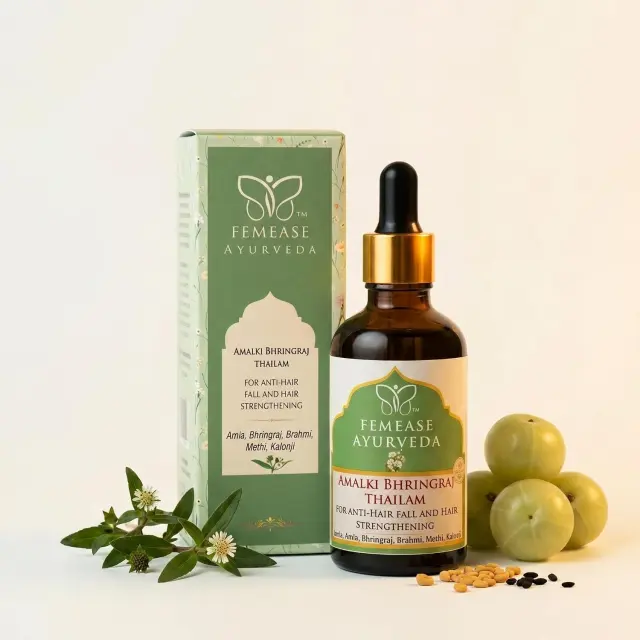
For weak hair
Amalki Bhringraj Thailam for Stronger Hair & Less Breakage
100ml
799 rupees
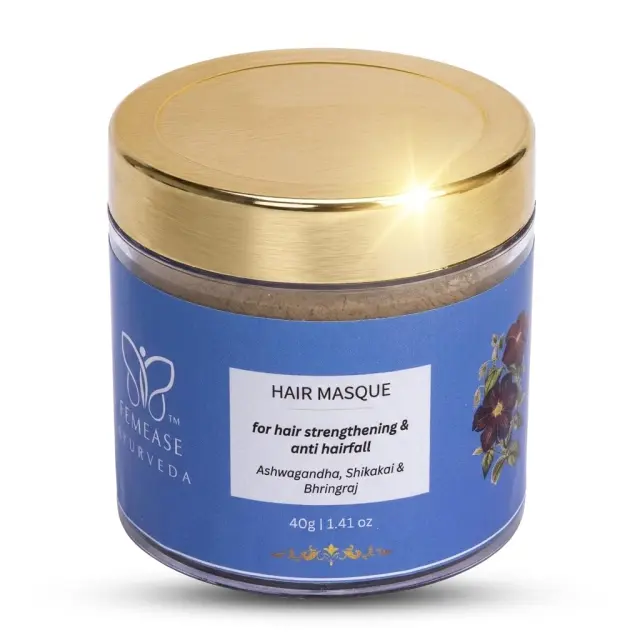
For weak hair
Ashwagandha, Shikakai & Bhringraj Hair Masque for Stronger Hair & Less Breakage
40g
599 rupees 29% off
Keep reading
Hormonal acne vs. Fungal acne
Hormonal acne or fungal acne? Learn how to tell them apart by how they look and feel, why they need very different care, and when to see a doctor.
Balancing hormones naturally
Signs of hormonal imbalance like fatigue, acne or irregular periods? Learn how food, sleep, stress care and movement can support your hormones.
Natural beauty remedies for common skin problems
Acne, dark spots or dry skin? Learn simple Ayurvedic home remedies like neem and turmeric paste, aloe vera masks and kumkumadi oil, and how to use them.
Teens and menstruation
How to talk to your daughter about periods? A parent's guide to starting early, explaining body changes, period products, hygiene and emotional support.
Ayurvedic beauty rituals for modern lifestyles
Ayurvedic beauty rituals for busy days: how to do abhyanga self-massage, a quick ubtan, kansa wand face massage and simple hair oiling at home.
Tight hairstyles and traction alopecia
Hair loss from tight ponytails? Learn what traction alopecia is, early signs to watch for, how to style your hair gently, and when to see a dermatologist.
