Tight hairstyles and traction alopecia
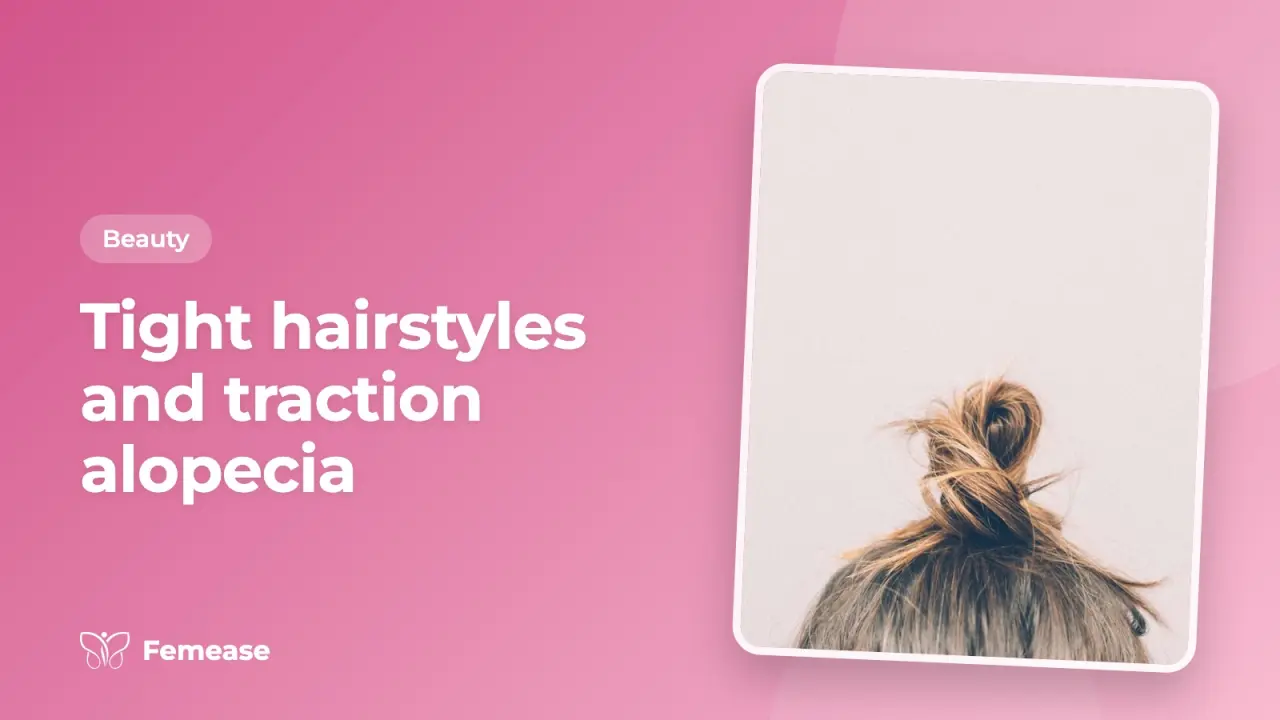
In short: Tight hairstyles, like high ponytails, tight buns, braids and heavy extensions, pull on your hair roots all day. Over time this can cause traction alopecia, a kind of hair loss that usually shows first at the temples, hairline and nape. Caught early, it often reverses once the pulling stops. If hair keeps thinning after you loosen your styles, see a dermatologist, because long-term pulling can scar the roots for good.
We’ve all been there, running late, hair a mess, and the quickest fix? A high ponytail. Or maybe you are rocking gorgeous box braids or a slick bun for that clean, polished look. But what if these go-to hairstyles are doing more harm than good?
Over time, wearing tight hairstyles regularly can lead to something called traction alopecia a type of hair loss caused by continuous tension on the hair shaft. It is more common than you would think, and if caught early, it is reversible. But ignoring the signs for too long can cause permanent damage.
What is traction alopecia?
Traction alopecia is a form of hair loss that happens when hair is pulled too tightly for prolonged periods. This stress weakens the hair follicles, leading to breakage and, eventually, thinning or bald patches. The most common areas affected are the temples, hairline, and nape, where the most tension is applied.
This condition is especially common among individuals who frequently wear:
Tight ponytails or buns
Braids, cornrows, or dreadlocks
Wigs with tight caps or glued lace fronts
Hair extensions or weaves
Styles with added weight (like jumbo braids)
Even cultural or professional styling norms can sometimes normalize these practices, making it easy to overlook the signs until it is too late.
Early signs of traction alopecia
The good news? Your hair usually warns you before it gets worse. Here is what to look out for:
Redness or bumps along the hairline
Scalp tenderness or itching
Thinning hair near the temples or forehead
Broken or shorter hairs where tension is strongest
A feeling of your scalp being "too tight" or sore after styling
If you are noticing any of these, it is time to give your hair and scalp a break.
Is it reversible?
Yes, in the early stages, traction alopecia is reversible. Once the constant pulling stops and the follicles are allowed to recover, healthy regrowth is possible. But if the hair follicles are scarred or damaged beyond repair (which can happen over time), the hair may not grow back.
That is why early intervention is so important.
How to style hair safely without sacrificing style
You do not have to give up sleek buns or stunning braids altogether. It is all about balance and care. Here is how you can prevent traction alopecia without giving up your favourite styles:
1. Loosen up
When tying your hair, avoid pulling it too tightly. A loose ponytail or bun can still look elegant. If you feel scalp tension or a headache, it is too tight.
2. Switch up your styles
Wearing the same style daily puts strain on the same hair follicles. Rotate between different looks — buns, loose styles, low ponytails, or even letting your hair down.
3. Limit long-term protective styles
Protective styles like braids or weaves are great in moderation, but wearing them for too long (especially if they are heavy or tight) can lead to damage. Ideally, keep them in for no longer than 6–8 weeks and give your hair a break in between.
4. Choose gentle accessories
Use soft hair ties (no metal clasps), scrunchies, or spiral hair bands. Avoid rubber bands or anything that tugs and breaks your hair.
5. Care for your scalp
Moisturize and massage your scalp regularly to promote blood flow and follicle health. You can use lightweight oils like argan, jojoba, or rosemary oil, which many people use to support hair growth.
6. Listen to your scalp
If your scalp is sore after styling or, worse, if you are losing hair, that is your body waving a red flag. Take it seriously.
When to see a dermatologist
If you are noticing hair loss that is not improving even after changing your routine, it might be time to consult a dermatologist or trichologist. Early diagnosis can help prevent further damage, and they can suggest the right treatment if needed.
Looking good should not come at the cost of your hair’s health. Whether it is a slick bun, braided crown, or sky-high ponytail, wear it with pride, but give your scalp room to breathe, too. Styling smart today helps ensure you will have strong, healthy hair for years to come.
Questions women ask
What counts as a tight hairstyle?
Any style that pulls your scalp, such as a high tight ponytail, a slick bun, tight braids or cornrows, heavy extensions, or wigs with tight caps. If your scalp feels sore, tight or gives you a headache after styling, it is too tight.
What does traction alopecia from tight styles do to hair?
Constant pulling weakens the hair roots. Hair breaks and thins, often along the hairline and temples. If the pulling goes on for a long time, the roots can scar and the hair may not grow back.
What are the early signs of traction alopecia?
Look for redness or small bumps along the hairline, a sore or itchy scalp, short broken hairs, and thinning near your temples or forehead. These are signs to loosen your hair and give your scalp a break.
Can hair grow back after hair loss from tight hairstyles?
Yes, in the early stages it usually can, once you stop the pulling and let your scalp recover. If you see no improvement after changing your styles, see a dermatologist early, as they can check whether the roots are still healthy.
How can I wear my hair without causing hair loss?
Tie your hair loosely, change your style often, and use soft scrunchies instead of rubber bands or metal clips. Give braids and extensions breaks between installs, and avoid heavy styles that weigh on your scalp.
General information, not medical advice. Talk to a doctor about your own health.
Talk to a doctor about your skinFrom the Femease store
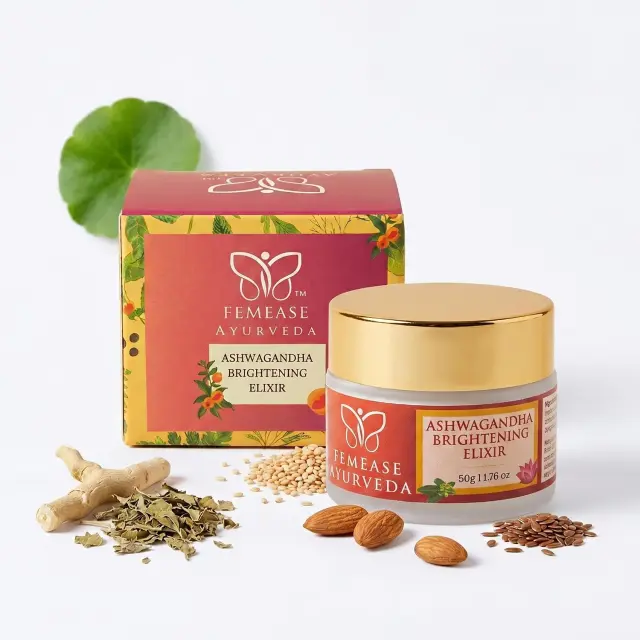
For glow
Ashwagandha Brightening Elixir
50g
849 rupees 43% off

For glow
Kumkumadi Hydrating Elixir
50g
899 rupees
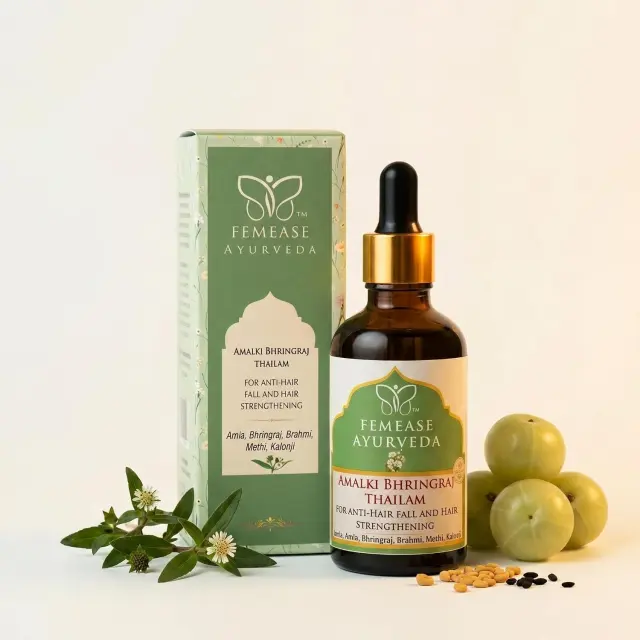
For weak hair
Amalki Bhringraj Thailam for Stronger Hair & Less Breakage
100ml
799 rupees
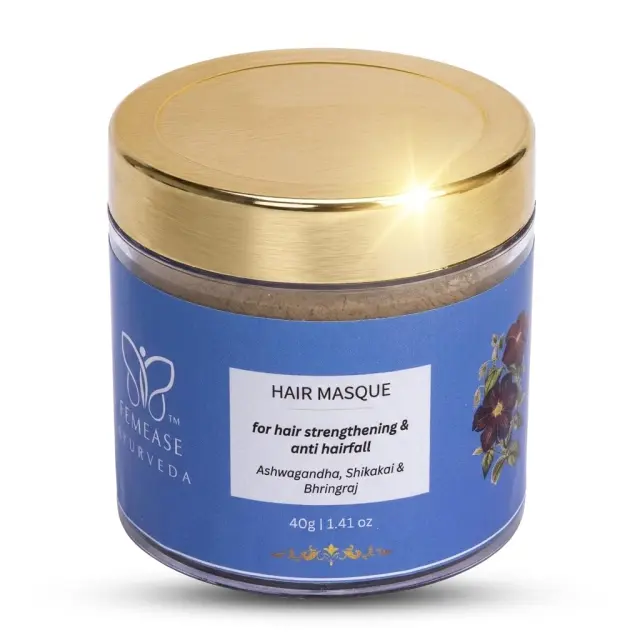
For weak hair
Ashwagandha, Shikakai & Bhringraj Hair Masque for Stronger Hair & Less Breakage
40g
599 rupees 29% off
Keep reading
Hair loss, skin changes & nail woes after birth
Hair fall after pregnancy? Learn why postpartum hair loss, skin changes and weak nails happen, when they usually settle, and when to see a doctor.
Hair loss in young women
Stress, PCOS, thyroid issues, and poor diet, the hidden triggers you need to know

Does your hair need sunscreen? Hair and scalp sun care
Sun can dry hair, fade colour and burn your scalp. What hair sunscreen does, and easy ways to protect your hair outdoors.
Hair botox vs keratin: differences and side effects
What hair botox and keratin treatments do, how long they last, side effects, and which may suit your hair type.

Hormonal acne in adults: It’s not just a teen problem
Why are women in their 30s and 40s still breaking out, and how can they manage it naturally and holistically?

Ayurvedic beauty rituals for modern lifestyles
Ayurvedic beauty rituals for busy days: how to do abhyanga self-massage, a quick ubtan, kansa wand face massage and simple hair oiling at home.
