Are you disrupting your skin’s ph without knowing it?

In short: Healthy skin is slightly acidic, with a pH of about 4.5 to 5.5. Products far from this range can harm your skin barrier: many harsh soaps and foaming cleansers are strongly alkaline, while lemon juice is too acidic and baking soda too alkaline. Signs your skin's balance is off include tightness after washing, stinging, redness and new breakouts. Choose gentle, pH-balanced products, and see a dermatologist if irritation does not settle.
Most of us do not think about our skin’s pH when we buy skincare. We look at labels that scream “glow boost,” “oil-free,” or “deep clean,” and into the cart it goes. But what if we told you that ignoring your skin’s pH might be the reason behind that stubborn acne, unexplained dryness, or sensitivity that seems to come out of nowhere?
Yes, you could be unknowingly disrupting your skin’s pH, and your skin’s not happy about it.
First, what is skin pH, and why should you care?
Your skin naturally sits at a slightly acidic pH, typically around 4.5 to 5.5. This acidity is part of your skin’s protective barrier, known as the acid mantle. It keeps moisture in and harmful bacteria out. When your skin’s pH is balanced, your barrier is strong, your microbiome is happy, and your skin looks its best, calm, clear, and resilient.
But throw that pH off balance, and things can get chaotic: irritation, breakouts, dullness, inflammation, and even premature aging.
Signs your skin’s pH might be off-balance
Your skin will not spell it out for you, but it does give clues. Here are some red flags:
- You feel tightness or dryness after washing your face
- Your skin is suddenly more oily than usual
- Breakouts show up, even with “clean” skin
- Redness or inflammation becomes your new norm
- Products that used to work now sting or burn
Sound familiar? It might be time to rethink your routine.
Common habits that disrupt the skin’s pH (Without you realizing it)
Even with the best intentions, we often do things that throw off our skin’s natural acidity. Here are some sneaky culprits:
1. Using harsh cleansers
Many foaming or antibacterial cleansers have a high pH, some even above 9! That is way too alkaline for your skin. These strip your skin’s natural oils and weaken the acid mantle, leaving you dry and vulnerable.
Pro tip: Look for pH-balanced cleansers (around 5.5) that are gentle yet effective.
2. Over-exfoliating
Exfoliation is great, in moderation. But scrubbing your skin daily (or even twice a day!) with physical or chemical exfoliants can damage your barrier and throw your pH off.
Try this: Limit exfoliation to 2–3 times a week, and always follow with a hydrating, pH-friendly moisturizer.
3. Skipping toner or using alcohol-based ones
Toners help rebalance your skin’s pH after cleansing. But alcohol-heavy toners do the opposite, drying out your skin and making it more alkaline.
Instead, use a hydrating, alcohol-free toner that restores balance and preps your skin for moisture.
4. Using tap water
It sounds harmless, but most tap water has a pH of around 7 to 8, which can affect your skin’s acidity over time, especially if you wash your face multiple times a day.
Solution: Follow up with a pH-balancing toner or mist to neutralize the impact.
5. DIY skincare gone wrong
Lemon juice masks? Baking soda scrubs? Vinegar toners? These viral DIYs might feel natural, but their pH levels can be wildly off. Lemon juice is too acidic; baking soda is too alkaline. Either way, your skin’s balance suffers.
The better route: Stick to dermatologist-tested products with skin-friendly pH levels.
How to maintain a healthy skin pH
Good news, your skin is smart. When given the right support, it can restore balance naturally. Here is how to help:
- Use pH-balanced skincare (look for products labelled as such or around 4.5–5.5 pH)
- Moisturize daily to reinforce your skin barrier
- Avoid over-cleansing, twice a day max is enough for most
- Choose gentle, barrier-friendly products (a dermatologist can advise on what suits your skin)
- Protect with SPF, because sun damage also disrupts your skin’s protective layer
Your skin is not just a surface; it is a smart, self-regulating system that thrives in balance. By understanding how pH plays a role in your skin’s health, you can make smarter, gentler choices and finally get that glowing, resilient skin you have been chasing.
Questions women ask
What pH is dangerous for skin?
Skin is happiest at a slightly acidic pH of about 4.5 to 5.5. Products well above this, like many harsh soaps and some cleansers that can go above 9, or very acidic home remedies like lemon juice, can strip and irritate the skin.
What are signs that my skin pH is off?
Tight or dry skin after washing, sudden oiliness, redness, breakouts and products that suddenly sting or burn can all be clues that your skin barrier is upset.
What disrupts the skin's pH?
Harsh or antibacterial cleansers, scrubbing or exfoliating too often, alcohol-based toners, washing your face many times a day and DIY remedies like lemon juice, baking soda or vinegar.
How can I keep my skin pH balanced?
Use a gentle, pH-balanced cleanser, wash no more than twice a day, exfoliate only a few times a week, moisturise daily and use sunscreen. See a dermatologist if redness or irritation does not improve.
General information, not medical advice. Talk to a doctor about your own health.
Talk to a doctor about your skinFrom the Femease store
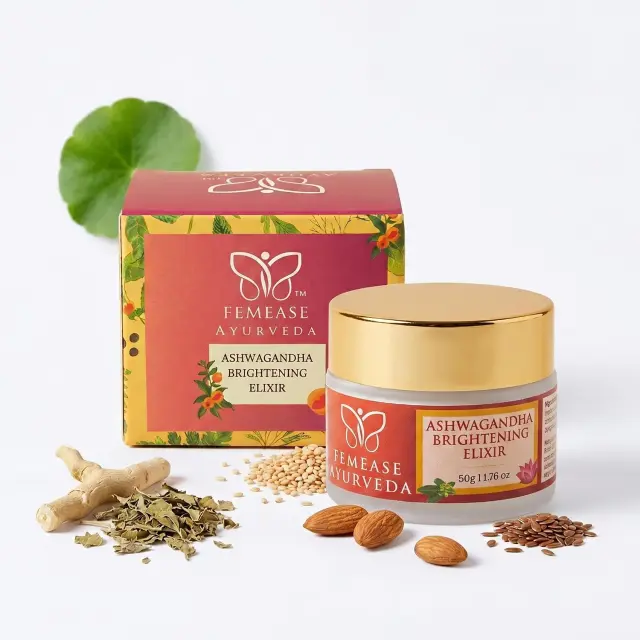
For glow
Ashwagandha Brightening Elixir
50g
849 rupees 43% off

For glow
Kumkumadi Hydrating Elixir
50g
899 rupees
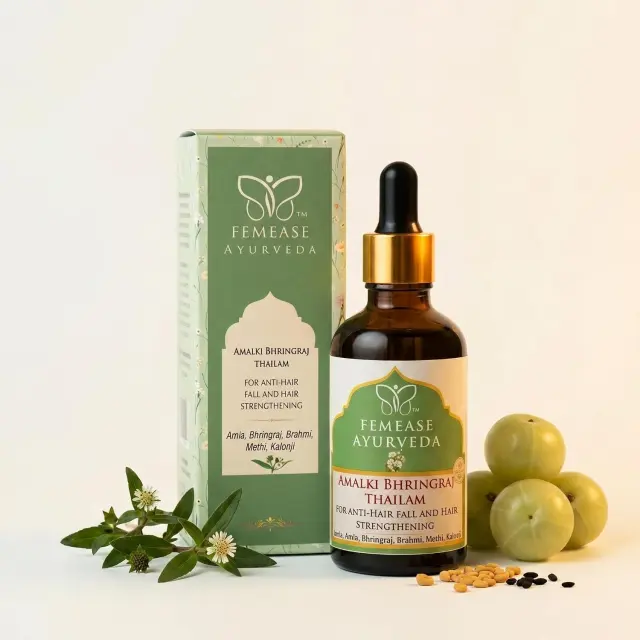
For weak hair
Amalki Bhringraj Thailam for Stronger Hair & Less Breakage
100ml
799 rupees
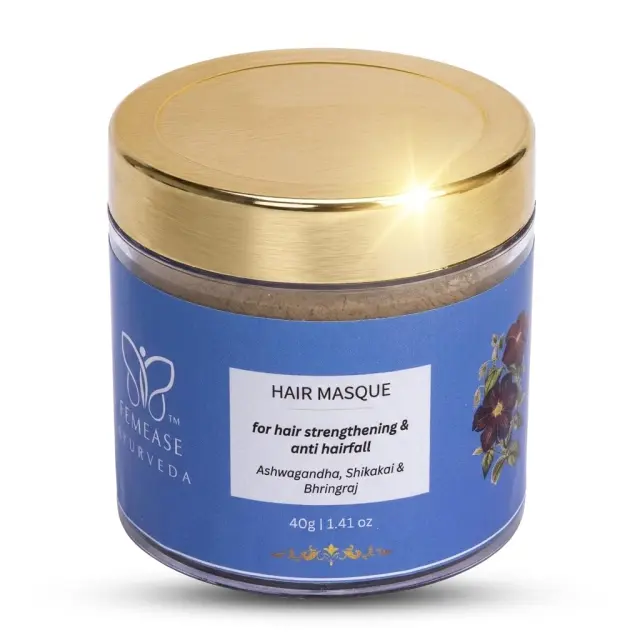
For weak hair
Ashwagandha, Shikakai & Bhringraj Hair Masque for Stronger Hair & Less Breakage
40g
599 rupees 29% off
Keep reading

Mineral deficiency and skin
Discover how common mineral deficiencies show up on your skin and what you can do through diet to restore your glow.

Can you have a period without ovulating?
Understanding anovulatory cycles and their impact on fertility & hormonal health

Skipping meals thinking it is ‘intermittent fasting’?
Without proper guidance, skipping meals can backfire for women especially, disrupting hormones and metabolism.

The science behind hyperpigmentation in different skin tones
Why melanin-rich skin reacts differently and how to treat it safely without bleaching.

Can bad posture cause a double chin?
How "tech neck" can soften your jawline, plus simple neck exercises, posture check-ins and sleep tips you can do in a few minutes a day.

Everyday beauty rituals with epsom, himalayan & sea salts
Discover how these natural salts can elevate your daily skincare, haircare, and self-care routines, no tub necessary.
