Sleep and skin repair: good sleep hygiene tips
In short: Yes, sleep helps your skin repair itself. During deep sleep, skin cells renew, collagen is made, blood flow to the skin improves and stress hormones fall. Poor sleep can leave skin dull and make acne or eczema flare. Good sleep hygiene means a fixed bedtime, a cool, dark room, no screens before bed and no late caffeine. If you struggle to sleep for weeks despite this, talk to a doctor.
You might think of your skincare routine as the last self-care act before crawling into bed. But what if I told you that the most powerful “product” for your skin might be your sleep itself?
The mind-body connection. And sleep? It’s the bridge. The truth is, the quality of your sleep doesn’t just impact your mood or focus; it’s deeply intertwined with how your body (and skin) repairs itself. So, let’s pull back the covers on the science behind sleep hygiene and its powerful effect on skin repair.
What exactly is sleep hygiene?
Sleep hygiene refers to the behaviours and environmental factors that help you get good-quality, consistent sleep. Think of it like brushing your teeth, but for your brain. Good sleep hygiene includes:
A consistent sleep-wake schedule
A cool, dark, quiet room
Minimizing screen time before bed
Avoiding caffeine and heavy meals late in the evening
A wind-down routine (think reading, meditating, or warm showers)
These seemingly small habits can determine whether you’re tossing and turning or slipping into deep, restorative sleep, which brings us to what your skin is doing while you snooze.
Skin at night: Nature’s repair shift
Your skin, the largest organ of your body, operates on a circadian rhythm, just like your brain. At night, while you sleep, it shifts from “defence mode” to “repair mode.” Here’s what actually happens:
Cellular regeneration peaks
During the night (if you’re asleep), your body ramps up mitosis, the process where skin cells divide and regenerate. New skin cells push older, damaged ones toward the surface, giving you that fresh, morning glow. Poor sleep? It delays or disrupts this.
Increased collagen production
Collagen- The protein that keeps your skin plump and youthful, is produced more rapidly during deep sleep. Without sufficient sleep, collagen breakdown outpaces production. Translation? More fine lines and sagging over time.
Cortisol drops, healing rises
Chronic stress elevates cortisol, which breaks down skin proteins, worsens inflammation, and can aggravate acne or eczema. When we sleep well, cortisol levels drop, allowing the skin to heal and rebalance.
Improved blood flow
Have you ever noticed how your skin looks dull after a sleepless night? During quality sleep, Blood flow to the skin increases, helping deliver nutrients and oxygen to cells. This promotes that healthy, radiant complexion we all crave.
5 Night time tips for skin and sanity
If you want to give your skin the rest it deserves, start with your habits. Here’s what helps:
Shut down screens 1 hour before bed Blue light delays melatonin production. Try a book or a podcast instead.
Keep your room cool (18–20°C is ideal) Your body temperature drops before sleep; a cooler room helps mimic that natural rhythm.
Use gentle, hydrating nighttime skincare A simple, gentle moisturiser is enough for most skin; a dermatologist can advise if you want more.
Practice a calming ritual Breathing exercises, journaling, or even 5 minutes of mindfulness can lower cortisol.
Stick to a sleep schedule-even on weekends Your circadian rhythm loves consistency. Think of it like training your skin to repair on cue.
If you're investing in serums, toners, and facials, but sleeping only 4, 5 hours a night, it’s like watering a plant but keeping it in the dark. Sleep is not just rest; it’s rejuvenation at the cellular level. So tonight, instead of doom-scrolling under your covers, remind yourself: your skin is waiting for you to shut down, so it can power up.
Questions women ask
Does sleep help repair skin?
Yes. While you sleep, your skin shifts into repair mode: cells renew, collagen is made and blood flow improves. When you sleep well, stress hormones drop, which helps skin heal. Regular poor sleep slows all of this down.
What does lack of sleep do to your skin?
Short or broken sleep can make skin look dull and tired, make under-eye darkness worse, and raise stress hormones that can trigger acne or flare eczema. Over time, poor sleep may also mean more fine lines.
What are good sleep hygiene habits?
Go to bed and wake up at the same time, even on weekends. Keep your room cool, dark and quiet. Put screens away about an hour before bed, avoid caffeine and heavy meals late in the evening, and have a calm wind-down routine like reading or slow breathing.
When should I see a doctor about poor sleep?
See a doctor if you have trouble falling or staying asleep for several weeks, if you snore loudly or wake up gasping, or if you feel very sleepy in the day. Poor sleep with low mood, anxiety or thoughts of self-harm needs help soon, so reach out the same day.
General information, not medical advice. Talk to a doctor about your own health.
From the Femease store
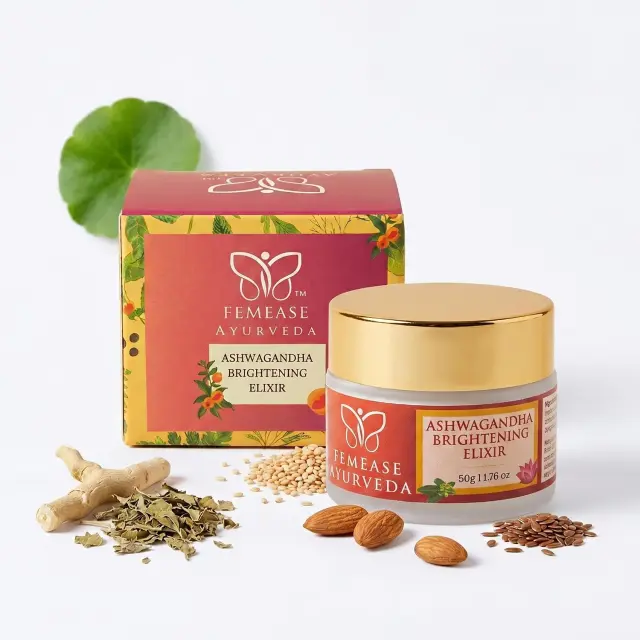
For glow
Ashwagandha Brightening Elixir
50g
849 rupees 43% off

For glow
Kumkumadi Hydrating Elixir
50g
899 rupees
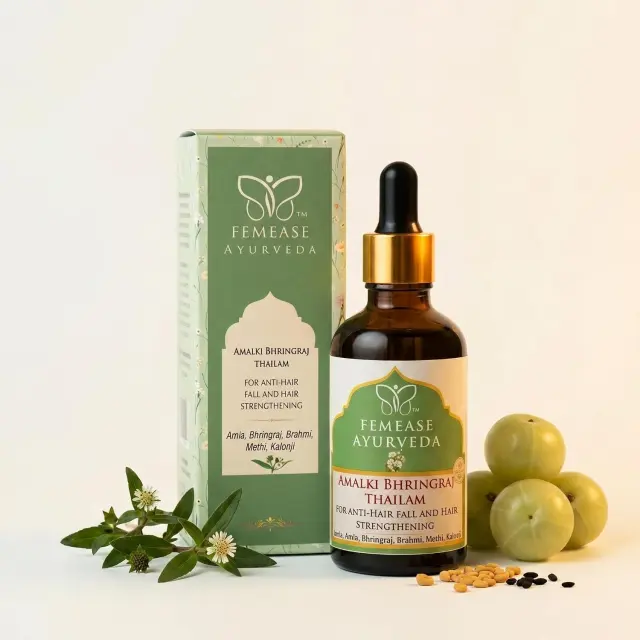
For weak hair
Amalki Bhringraj Thailam for Stronger Hair & Less Breakage
100ml
799 rupees
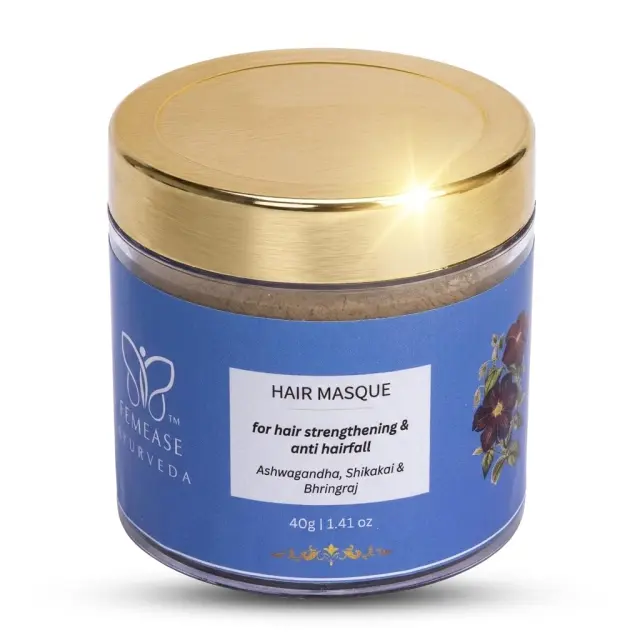
For weak hair
Ashwagandha, Shikakai & Bhringraj Hair Masque for Stronger Hair & Less Breakage
40g
599 rupees 29% off
Keep reading

Sleep and skin: how poor sleep shows on your face
Poor sleep can mean dull skin, dark circles, puffiness and breakouts. See how skin repairs at night, a simple routine and when to see a doctor.

Dry, dull skin? How AC and pollution affect your skin
Dry or dull skin indoors? Learn how AC, humidifiers and air pollution affect your skin, and simple changes to protect it at home and at work.

Good sleep: why rest is key to your health
Not sleeping well? Learn why good sleep matters for your health, with simple tips on a regular schedule, bedtime routine, bedroom, caffeine and stress.

How to talk to your daughter about her first period
Talk early, keep it open and shame-free. Learn how to explain body changes, period products and hygiene, ease cramps and know when to see a gynaecologist.

Skin fasting: what it is and who it may help
Skin fasting means a short break from most skincare so an over-treated skin barrier can settle. Learn how it works, who it may help and what to keep doing.

Glass skin: why the trend isn't for everyone
Pores and texture are normal, and chasing glass skin can harm your skin barrier, especially in brown skin. See what to aim for and when to see a doctor.
