Tongue scraping & oil pulling: Ayurvedic tools for modern detox
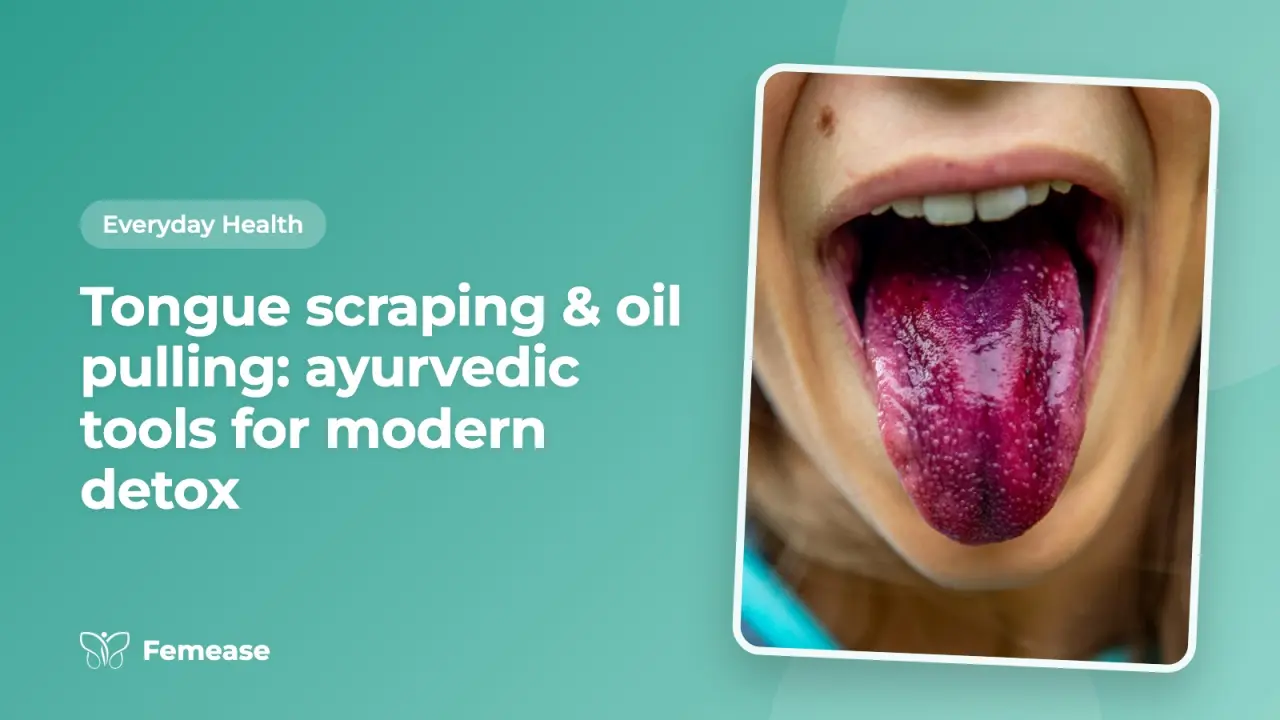
In short: Tongue scraping gently removes the white coating of bacteria and dead cells from your tongue and helps with bad breath. Oil pulling means swishing a spoon of sesame or coconut oil in your mouth for a few minutes and spitting it out, and may reduce some mouth bacteria. Both are fine as extras, but they do not replace brushing twice a day and regular dental check-ups. See a dentist or doctor if a white coating, bad breath or gum bleeding does not go away.
If you have ever woken up with a white coating on your tongue or felt that your mouth was not quite fresh even after brushing, you are not alone. And no, you do not need to stock up on chemical mouthwashes. Ayurveda, India’s ancient health system, has been advocating simple daily rituals for thousands of years. Two of these, tongue scraping and oil pulling, are gaining global attention, and for good reason.
Why modern mouths need ancient wisdom
With today's processed diets, late-night meals, and ever-present stress, our digestive systems and oral microbiomes take a hit. This can show up as bad breath. Ayurveda views the mouth as the gateway to health.
Enter two time-tested Ayurvedic practices:
1. Tongue scraping: Start your day with a clean slate
What it is:
Tongue scraping involves gently removing the white coating (food debris, bacteria, dead cells) from your tongue using a metal scraper, usually copper or stainless steel.
Why it works:
- Reduces bad breath by removing odor-causing bacteria.
- Improves taste by clearing the taste buds.
- In Ayurveda, it is believed to wake up digestion by stimulating the taste buds first thing in the morning.
How to do it:
- First thing in the morning (before brushing).
- Use a U-shaped tongue scraper.
- Gently scrape from the back of the tongue to the front, 7–10 times.
- Rinse the scraper and your mouth thoroughly.
Tip:
Avoid plastic scrapers. Copper has natural antimicrobial properties and is traditionally preferred.
2. Oil pulling: A simple mouth rinse ritual
What it is:
Oil pulling involves swishing a tablespoon of oil (typically cold-pressed sesame or coconut oil) in your mouth for about 10–15 minutes.
Why it works:
- May reduce some bacteria in the mouth.
- May help freshen breath.
- In Ayurveda, it is traditionally used to keep gums healthy and teeth bright, and to support digestion, sinus comfort and even ease mild headaches.
- Works best alongside brushing twice a day and regular dental check-ups.
How to do it:
- On an empty stomach, take 1 tablespoon of oil.
- Swish it gently in your mouth (do not gargle or swallow).
- After 10–15 minutes, spit it out in the trash (not sink, oil clogs pipes!).
- Rinse with warm water and brush as usual.
Tip:
If 15 minutes feels too long, start with 5 minutes and build up gradually.
Many people who adopt these simple rituals report:
- Fresh breath without relying on mouthwash.
- Better taste sensitivity (yes, food tastes better!).
- A calm, mindful start to each morning.
Science is still catching up, but there is some early evidence that oil pulling may reduce certain mouth bacteria and that tongue scraping can help with bad breath. Neither replaces brushing twice a day and regular dental check-ups.
In a world filled with noise about “detox drinks” and “quick fixes,” Ayurveda’s approach is refreshingly simple and consistent. Tongue scraping and oil pulling are not about being perfect; they are about adding mindful, sustainable habits to your daily routine.
Questions women ask
What are the benefits of tongue scraping?
It removes the coating on your tongue that holds odour-causing bacteria, so it helps with bad breath and can make food taste fresher. Scrape gently from back to front a few times each morning and rinse.
Is oil pulling good for teeth?
It may reduce some bacteria in the mouth and freshen breath, but it does not cure cavities or gum disease and is not a substitute for brushing and flossing. Spit the oil into the bin, not the sink, and do not swallow it.
Coconut oil or sesame oil for oil pulling?
Both are traditionally used and either is fine. Choose plain, food-grade oil you like the taste of. Start with a few minutes and build up slowly. Stop if it makes you feel sick or irritates your mouth.
What causes a white coating on the tongue?
Usually dry mouth, dehydration, mouth breathing, smoking or not cleaning the tongue. It can also come with fever or an infection. See a doctor or dentist if it lasts more than two weeks, hurts, or comes with patches you cannot scrape off.
General information, not medical advice. Talk to a doctor about your own health.
Talk to a doctorKeep reading in the Femease app
Save articles, track your cycle or pregnancy, and talk to a doctor when you need one.
Keep reading

Ayurvedic beauty rituals for modern lifestyles
Ayurvedic beauty rituals for busy days: how to do abhyanga self-massage, a quick ubtan, kansa wand face massage and simple hair oiling at home.

The role of the liver in hormonal detox during the menstrual cycle
Why supporting your liver might be the missing piece in easing painful periods and mood swings

Stretch marks & skin health during pregnancy
A guide to ayurvedic oils, natural remedies, and dermatologist tips for nourishing your changing skin

The myth of detox juices: Why your liver needs nutrients, not starvation
Discover how your body truly detoxifies and what it actually needs to stay healthy.

The fiber trap: Why your “healthy” fruit juice may be doing more harm than good
Unpacking the real difference between sipping juice and eating whole fruits.

How alcohol affects your gut, mood, and inflammation the next day
Uncover the hidden ways alcohol impacts your gut, mood, and body the next day.
