Stretch marks & skin health during pregnancy
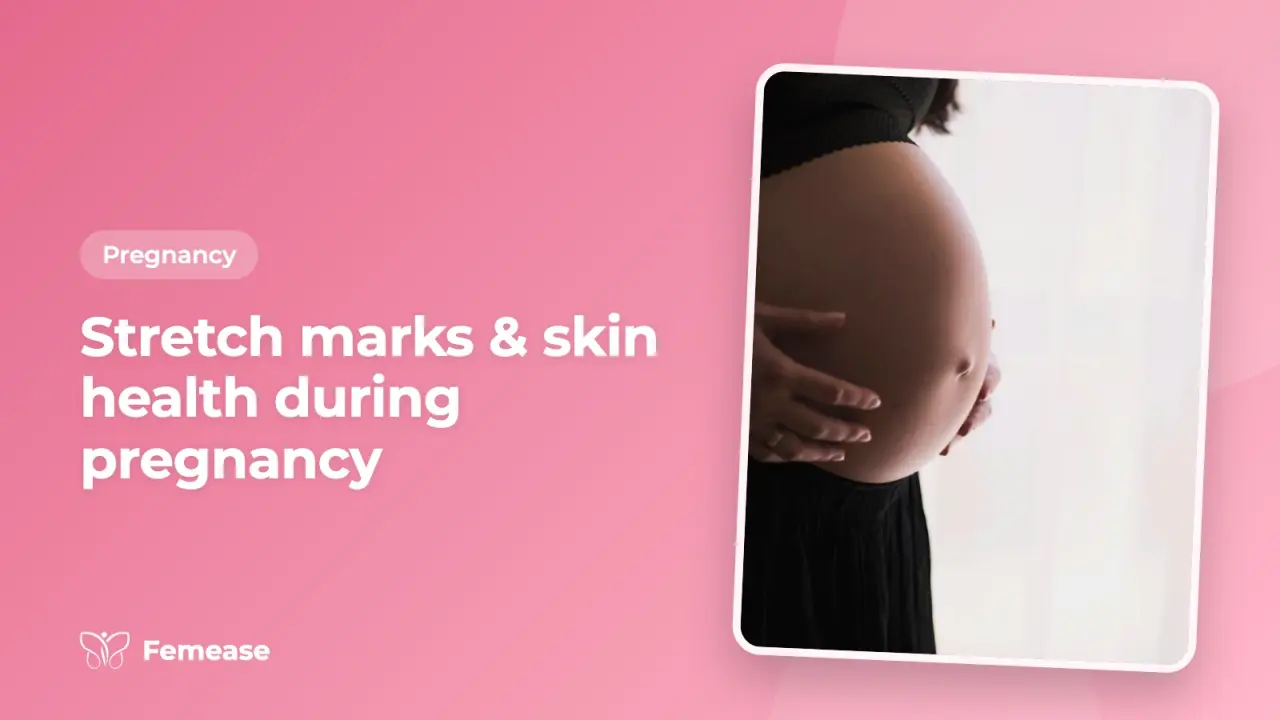
In short: Stretch marks form when skin stretches quickly as your belly grows, often in the second half of pregnancy. Genetics and hormones play a big part, so no oil or lotion can promise to prevent them. Keeping skin moisturised, gentle massage, drinking enough water and eating well can keep skin comfortable. The marks usually fade to silvery lines after birth. A dermatologist can explain options once you have finished breastfeeding.
Pregnancy stretch marks are a part of the journey. They're like quiet reminders of the life you are growing inside you. Some women embrace them; others seek ways to fade them. And that is okay, your body, your choice.
In the quest for smooth, nourished skin during and after pregnancy, many turn to traditional oils. From the trusted coconut oil in your kitchen to time-honored Ayurvedic blends, there is a flood of advice out there. But what works, and what is just a comforting ritual?
The stretch mark story: What is happening to your skin?
As your belly expands to accommodate your growing baby, the middle layer of your skin (the dermis) stretches. If the skin is pulled too fast or too far, the collagen and elastin fibers can break, causing fine tears that show up as reddish or purple streaks. These eventually fade into silvery lines, but rarely vanish completely.
Hormonal shifts also weaken skin structure, making some women more prone to developing stretch marks.
Traditional oils: What people use and why
Here is a look at commonly used oils, how they are supposed to work, and what the research (or lack of it) says:
1. Coconut oil
Why it is popular: It is easily available, deeply moisturizing, and antibacterial.
Reality check: While coconut oil nourishes and soothes dry, itchy skin, there is limited scientific proof that it prevents or reduces stretch marks. It is excellent for hydration, which might help minimize the intensity of marks.
2. Almond oil
Ayurvedic wisdom: Known to improve skin tone and elasticity.
Reality check: Some women find massage with almond oil helps, but there is no strong proof that it prevents stretch marks. It’s the massage, not just the oil, that may help.
3. Sesame oil
Ayurveda says: Warming and grounding, ideal for vata-type skin (dry, rough).
Reality check: It’s rich in linoleic acid and has antioxidant properties. Regular use can improve skin barrier function, but there is no direct evidence that it erases stretch marks.
4. Olive oil
Traditionally used for: Smoothing and strengthening skin.
Science says: While olive oil is a great emollient, there is no good proof that it prevents stretch marks, and in rare cases, it may irritate.
5. Castor oil
Why people trust it: It is thick, sticky, and deeply penetrating.
Reality check: No scientific data links castor oil directly to stretch mark reduction. Still, it’s often used in Ayurveda to improve skin texture and as a massage base.
Ayurveda’s holistic view on stretch marks
In Ayurveda, abhyanga (daily oil massage) isn’t just skin care, it’s self-care. Oils like bala ashwagandhadi thailam or kumkumadi taila are traditionally used to nourish tissues, improve circulation, and balance doshas (body energies). Patch test first, and check with your doctor before using a herbal oil during pregnancy.
Ayurveda does not promise a “miracle cure” for stretch marks, but it does emphasize prevention, hydration, and stress relief, which collectively support better skin health.
What dermatologists recommend
Most experts agree on the following:
- Moisturize early and often: Hydrated skin is more elastic. Start moisturizing as soon as you find out you are pregnant.
- Massage matters: Gentle, circular massage stimulates blood flow, helps oils absorb better, and promotes skin elasticity.
- Ask a dermatologist postpartum: After delivery (and once breastfeeding is done), a dermatologist can explain the treatment options that may help fade marks.
- Do not overpromise with products: No oil can guarantee prevention or erasure of stretch marks. Genetics and hormones play a big role.
What helps?
Do:
- Use natural oils to moisturize and soothe.
- Apply at least twice daily, especially on your belly, breasts, hips, and thighs.
- Combine oil massage with hydration, a healthy diet, and gentle stretching.
- Be consistent, skin thrives on routine.
Do not:
- Expect magic overnight.
- Rely solely on oils for prevention or fading.
- Use essential oils without dilution, as they can irritate sensitive pregnancy skin.
Questions women ask
When do stretch marks start in pregnancy?
They often appear in the second half of pregnancy, when the belly grows fastest, but timing varies from woman to woman. They first look reddish or purple and slowly fade to silvery lines after birth.
Can I prevent stretch marks naturally during pregnancy?
You cannot fully prevent them, because genes and hormones play a big role. Moisturising early, twice a day, gentle circular massage, enough water, a healthy diet and steady weight gain can help your skin stay supple and comfortable.
Does coconut oil help stretch marks?
Coconut oil is a good moisturiser and soothes dry, itchy skin, but there is little proof that it prevents or removes stretch marks. It is fine to use for comfort. Never put essential oils on your skin without diluting them.
Is an itchy stomach normal in pregnancy?
Mild itching as your belly skin stretches is common, and moisturising helps. But tell your doctor soon about intense itching, especially on the palms and soles, or itching that is worse at night, as it can be a sign of a liver condition in pregnancy that needs checking.
General information, not medical advice. Talk to a doctor about your own health.
Talk to a doctor about your pregnancyKeep reading in the Femease app
Save articles, track your cycle or pregnancy, and talk to a doctor when you need one.
Keep reading

Pregnancy skin surprises you didn’t see coming
From melasma to skin tags, here’s what’s normal, what’s not, and how to care for your changing skin.

Natural beauty remedies for common skin problems
Acne, dark spots or dry skin? Learn simple Ayurvedic home remedies like neem and turmeric paste, aloe vera masks and kumkumadi oil, and how to use them.

The truth about pregnancy after 40 weeks
Understanding late-term pregnancy, what is normal, what is not, and how to navigate the final stretch with confidence
Makeup for changing skin over 40
Why the same products don’t work forever, and what your skin needs now

Understanding what your baby’s motions mean
Learn how to recognize, interpret, and respond to different types of fetal movements, because your baby’s activity is their first way of communicating with you.

Pregnancy cravings and your baby's sex: the myth
Sweet means a girl, salty means a boy? What research says about pregnancy cravings, why they happen, and why they can't predict your baby's sex.
