Hot flashes & night sweats
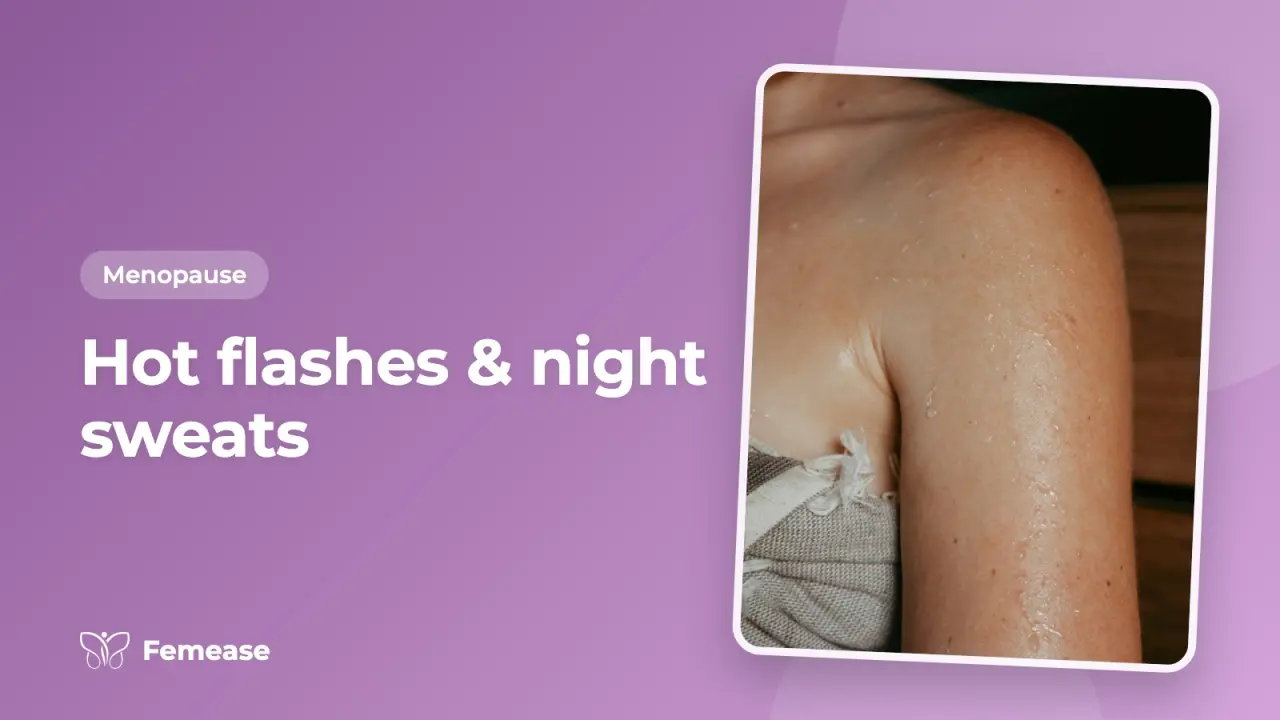
In short: Hot flashes are sudden waves of heat, often with sweating, a fast heartbeat or chills, and night sweats are the same thing happening in sleep. They are mainly caused by falling oestrogen during menopause, which affects how the brain controls body temperature. Light layers, a cool bedroom, enough water, stress relief and avoiding triggers such as spicy food, caffeine, alcohol and smoking can help. If they are severe or disturb your daily life, talk to a doctor about treatment.
Hot flashes and night sweats are among the most common symptoms experienced during menopause, affecting many women as they transition through this life stage. While these symptoms can be uncomfortable and disruptive, understanding their causes and exploring effective relief strategies can empower you to manage them better.
What Are Hot Flashes and Night Sweats?
Hot Flashes: Characterized by sudden feelings of warmth, often accompanied by sweating, a rapid heartbeat, and even chills. They can last from a few seconds to several minutes and may occur during the day or night.
Night Sweats: These are essentially hot flashes that occur during sleep, often leading to soaked bed linens and disturbed sleep patterns. Night sweats can significantly impact your rest and overall quality of life.
Understanding the Causes
Hot flashes and night sweats are primarily caused by hormonal fluctuations during menopause, particularly the decrease in estrogen levels. These hormonal changes can affect the hypothalamus, the part of the brain responsible for regulating body temperature.
Tips for Managing Hot Flashes and Night Sweats
Dress in Layers: Wearing breathable, loose-fitting clothing can help you stay cool. Layering allows you to adjust your clothing as your body temperature changes throughout the day.
Keep Cool: Maintain a comfortable environment at home. Use fans, air conditioning, or cool cloths to help reduce overheating. Keeping your bedroom cool can also mitigate night sweats.
Stay Hydrated: Drink plenty of water throughout the day. Staying hydrated can help regulate your body temperature and reduce the intensity of hot flashes.
Limit Triggers: Identify and avoid triggers that may worsen symptoms, such as spicy foods, caffeine, alcohol, and smoking. Keeping a symptom diary can help you pinpoint your triggers.
Practice Relaxation Techniques: Stress can exacerbate hot flashes. Engage in relaxation practices such as deep breathing, yoga, or meditation to help manage stress levels.
Explore Dietary Changes: Some women find that incorporating foods rich in phytoestrogens, such as soy products, flaxseeds, and whole grains, may help alleviate symptoms. However, consult with a healthcare provider before making significant dietary changes.
Talk to a Doctor About Treatment: For some women, lifestyle changes are not enough. A doctor can explain the treatment options that suit you, including their benefits and risks.
When to Seek Help
If hot flashes and night sweats are severe or significantly impact your daily life, it’s important to seek professional help. A healthcare provider can discuss treatment options to help you find relief.
Embracing Your Journey
While hot flashes and night sweats can be uncomfortable, knowing you’re not alone can make a world of difference. Many women experience these symptoms, and there are numerous strategies to help manage them effectively.
At Femease, we offer personalized health plans tailored to your unique experiences during menopause. Our expert team can provide guidance on symptom management, including natural remedies and lifestyle changes that can make a significant difference.
Questions women ask
What causes hot flashes in women?
Most hot flashes come from falling oestrogen around menopause. This affects the hypothalamus, the part of the brain that controls body temperature, so it reacts as if you are too hot. Other health problems can also cause them, so tell a doctor if you are unsure.
How long does a hot flash last?
A single hot flash can last from a few seconds to several minutes. It may come with sweating, a racing heart and then chills. They can happen during the day or at night.
How can I stop hot flashes naturally?
Wear light, loose layers, keep fans or a cool cloth handy, drink enough water and keep your bedroom cool. Notice and limit triggers like spicy food, caffeine, alcohol and smoking. Deep breathing, yoga and meditation can ease stress, which often makes them worse.
Do foods help with hot flashes?
Some women find that foods with phytoestrogens, such as soy, flaxseeds and whole grains, help a little. Results vary. Check with your doctor before making big changes to your diet or trying any supplement.
When should I see a doctor about night sweats?
See a doctor if hot flashes or night sweats are severe, ruin your sleep or affect daily life, as there are treatments to discuss. Also get checked if night sweats come with fever, weight loss you cannot explain, or happen when you are not near menopause.
General information, not medical advice. Talk to a doctor about your own health.
Talk to a gynaecologist about menopauseKeep reading in the Femease app
Save articles, track your cycle or pregnancy, and talk to a doctor when you need one.
Keep reading
Night sweats and hot flashes after birth: what's normal
Soaking sheets at night or suddenly hot after delivery? Why your temperature swings postpartum, how long it lasts, and when to call your doctor.
Understanding menopause
What is menopause? Learn the stages, from perimenopause to postmenopause, common symptoms like hot flashes and poor sleep, and ways to manage them.
Chills or hot flashes during your period? Here's why
Shivering one minute, hot the next? Why hormones, prostaglandins and low iron can change your temperature on your period, and what helps.
Sleep hygiene and skin repair
A night time skin science dive
Navigating the emotional rollercoaster
Mood swings or anxiety in menopause? Learn the emotional changes menopause can bring, from low libido to memory issues, and ways to cope and get help.
Heart health risks post menopause
Heart disease after menopause? Learn why heart risk rises after menopause, symptoms women should not ignore, and everyday steps to protect your heart.
