Navigating the emotional rollercoaster
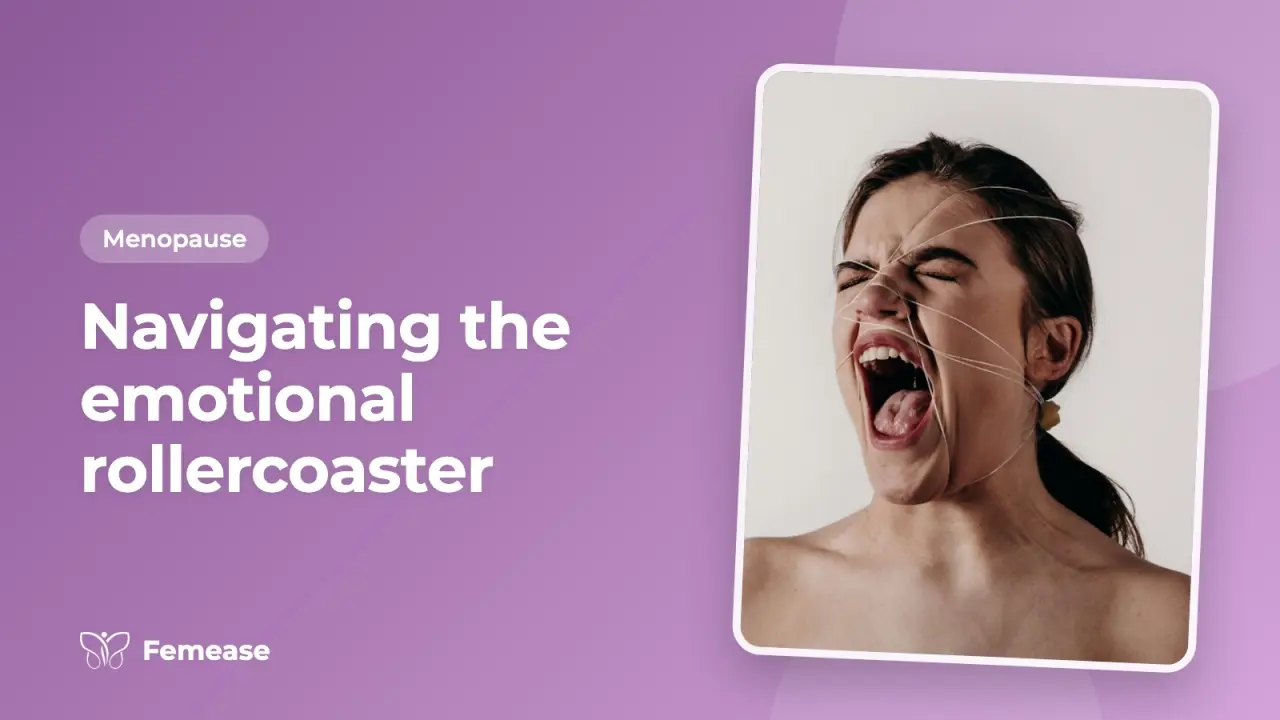
In short: Yes, menopause can affect your emotions. Changing hormones can bring mood swings, irritability, anxiety, low mood, brain fog and lower desire, often on top of busy life stresses. These changes are common and you are not imagining them. Regular exercise, calming practices like deep breathing, good food, less caffeine and sugar, and talking to people you trust can help. If anxiety or low mood gets in the way of daily life, talk to a doctor or mental health professional.
Menopause is not just a physical transition; it also brings significant emotional changes that can affect a woman's mental health. Understanding these changes and how to cope with them is essential for navigating this life stage effectively.
The Emotional Impact of Menopause
Hormonal fluctuations during menopause can lead to a variety of emotional symptoms, including
Mood Swings: Many women experience increased irritability and sudden shifts in mood. These can stem from hormonal changes, as well as lifestyle adjustments and stressors.
Anxiety and Depression: Feelings of anxiety and depression can become more pronounced during menopause. It’s essential to recognize these feelings and seek support if they become overwhelming.
Decreased Libido: Changes in hormone levels can affect sexual desire, which may contribute to feelings of frustration or inadequacy in relationships.
Memory Issues: Many women report difficulty concentrating or experiencing memory lapses, often referred to as "brain fog." This can lead to feelings of frustration and self-doubt.
Coping Strategies
While navigating the emotional landscape of menopause can be challenging, there are effective strategies to help manage these changes:
Stay Active: Regular physical activity can significantly improve mood and reduce symptoms of anxiety and depression. Activities like walking, yoga, and swimming can be particularly beneficial.
Mindfulness and Meditation: Practicing mindfulness can help you stay grounded and manage stress. Techniques such as meditation, deep breathing, and journaling can provide emotional relief.
Nutrition Matters: A balanced diet rich in whole foods, omega-3 fatty acids, and antioxidants can support mental health. Avoiding excessive caffeine and sugar may also help stabilize mood swings.
Connect with Others: Sharing experiences with friends or joining support groups can foster a sense of community. Talking about your feelings can reduce isolation and provide valuable perspectives.
Seek Professional Help: If you find that anxiety or depression is interfering with your daily life, consider speaking with a mental health professional. They can provide guidance tailored to your needs.
Embracing the Journey
Remember, experiencing emotional changes during menopause is perfectly normal. By acknowledging these feelings and proactively seeking support, you can find effective ways to manage them.
Embracing this transition means understanding that it’s a part of your life’s journey. With the right tools, support, and a focus on mental well-being, you can navigate menopause with grace and resilience.
At Femease, we understand that emotional well-being is just as important as physical health during menopause. Our personalized health plans include mental wellness support, connecting you with experts who can help you navigate these emotional challenges. Whether it’s counseling, stress management techniques, or resources for relationship support, we’re here to empower you on your journey.
Questions women ask
Does menopause cause mood swings?
It can. Rising and falling hormones during perimenopause and menopause can cause sudden mood shifts, irritability and feeling on edge. Life stresses at this age, poor sleep and hot flashes at night can make them stronger.
Can menopause cause anxiety and depression?
Feelings of anxiety and low mood can become stronger around menopause. Notice them early and get support if they feel overwhelming. Exercise, mindfulness and staying connected help many women, and a doctor or counsellor can suggest the right treatment when needed.
Why do I feel so angry and irritable during menopause?
Hormone changes affect mood, and broken sleep, hot flashes and a heavy mental load can shorten your patience. Walking, yoga, deep breathing and talking openly with your family about what you are going through can ease the tension.
When should I see a doctor for menopause mood changes?
See a doctor if low mood, worry or anger lasts most days for two weeks or more, or affects your work, sleep or relationships. If you have thoughts of harming yourself or feel you cannot keep yourself safe, get help straight away: go to the nearest hospital emergency or call Tele-MANAS, India's free mental health helpline, on 14416.
General information, not medical advice. Talk to a doctor about your own health.
Talk to a gynaecologist about menopauseKeep reading in the Femease app
Save articles, track your cycle or pregnancy, and talk to a doctor when you need one.
Keep reading

Navigating hormonal imbalances and mental health
Mood swings, anxiety or low mood? Learn how hormone changes in periods, pregnancy, postpartum and menopause affect mental health, and where to get support.
Managing anxiety during fertility treatments
Navigating the Emotional Rollercoaster with Practical Strategies and Support from Femease

Allergies and menopause: why they can get worse
New allergies in your 40s or 50s? Learn how menopause can change your immune response, common symptoms, what you can do, and when to get medical help.

Low libido in women: why desire dips and what can help
Low libido in women is common and not your fault. Learn the causes, from stress and having a baby to menopause and thyroid, what helps and when to see a doctor.
Understanding menopause
What is menopause? Learn the stages, from perimenopause to postmenopause, common symptoms like hot flashes and poor sleep, and ways to manage them.

Hot flashes & night sweats
Hot flashes and night sweats in menopause? Learn why they happen, everyday tips to stay cool and sleep better, and when to talk to a doctor.
