Breastfeeding tips for new moms
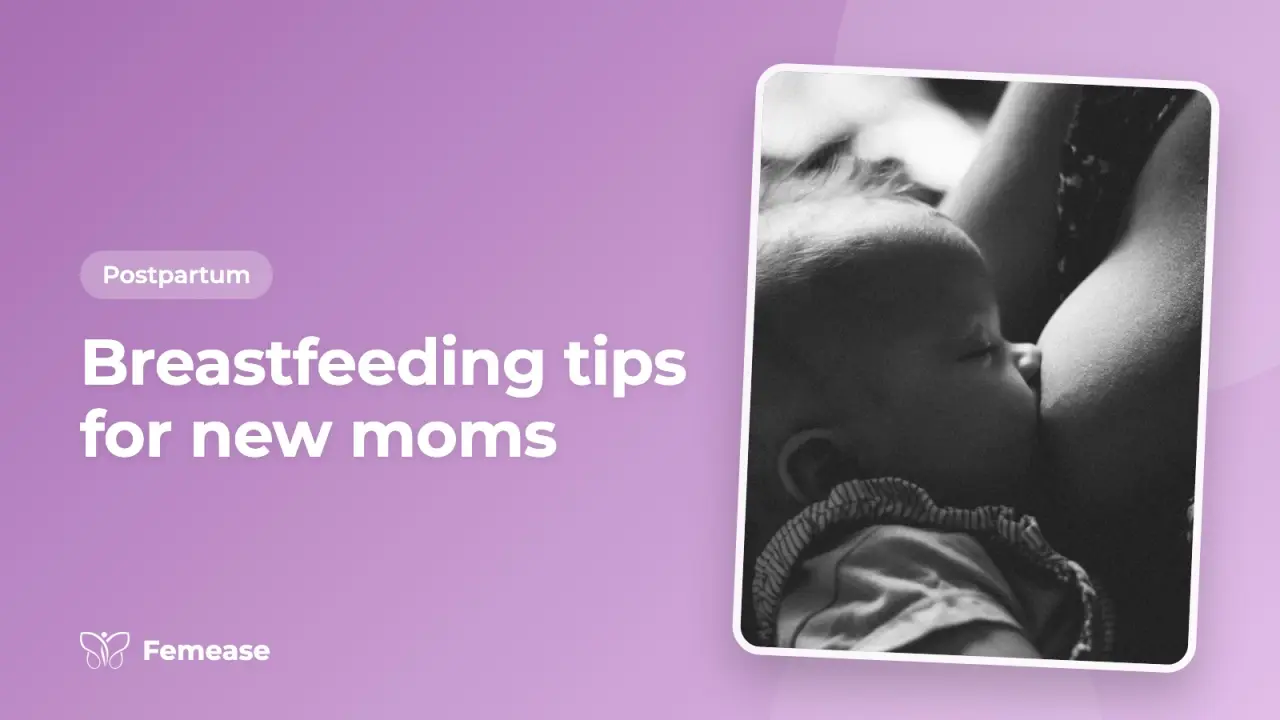
In short: The most useful breastfeeding tips are simple: try different holds until you and your baby are both comfortable, spend plenty of time skin to skin, eat well and drink enough water, and ask for help early if latching hurts. Every mother and baby learn at their own pace, so be patient with yourself. Talk to a lactation consultant or doctor if feeding stays painful or you worry your baby is not feeding well.
Breastfeeding is a natural and rewarding experience, but it can also come with its share of challenges. Many new moms encounter obstacles that may make them feel discouraged. Here are some practical tips to help you navigate the breastfeeding journey, ensuring both you and your baby thrive.
Establish a Comfortable Position
Finding the right position is key to successful breastfeeding. Experiment with different holds—such as the cradle hold, cross-cradle hold, or side-lying position—to see what works best for you and your baby. Ensure that you’re both comfortable to make the feeding experience more enjoyable.
Practice Skin-to-Skin Contact
Skin-to-skin contact not only helps establish a bond between you and your baby but also encourages breastfeeding. This practice can stimulate your baby’s natural instincts to latch and feed. Spend time cuddling your newborn against your bare chest, especially in the first few days after birth.
Stay Hydrated and Nourished
Proper nutrition and hydration are vital for maintaining milk supply. Focus on a balanced diet rich in fruits, vegetables, whole grains, and healthy fats. Femease offers personalized nutrition plans that can help you navigate your dietary needs during this crucial time, ensuring you have the energy and nutrients required for both you and your baby.
Don’t Hesitate to Seek Help
If you encounter difficulties with latching, pain, or other issues, don’t hesitate to seek support. Consulting with a lactation consultant can provide you with tailored advice and solutions. Additionally, connecting with other new moms through platforms like Femease can offer emotional support and shared experiences.
Be Patient with Yourself
Every breastfeeding journey is unique. It’s important to be patient with yourself and your baby. There may be times when things don’t go as planned, and that’s okay. Celebrate small victories and remember that seeking support is a sign of strength.
Conclusion
Breastfeeding can be a beautiful and fulfilling experience, but it’s also perfectly normal to face challenges along the way. By establishing a supportive environment and focusing on self-care, you can navigate this journey with confidence.
Femease is here to support you through personalized postpartum care plans and a community of women who understand the ups and downs of motherhood. Together, we can make this journey a positive and empowering experience.
Feel free to reach out to us for more resources and support as you embrace this incredible new chapter of your life!
Questions women ask
What is the best position for breastfeeding?
There is no single best one. Many mothers try the cradle hold, the cross-cradle hold or lying on their side. Choose the one where your back is supported, your baby faces you fully and the latch feels comfortable.
Why does skin-to-skin contact help breastfeeding?
Holding your baby against your bare chest, especially in the first days after birth, helps you bond and wakes up your baby's natural instinct to find the breast and latch. It also calms both of you.
Is it normal for breastfeeding to hurt?
Some tenderness in the first days is common, but ongoing pain, cracked or bleeding nipples usually mean the latch needs fixing. A lactation consultant can watch a feed and help you adjust it. Do not suffer in silence.
When should a breastfeeding mother see a doctor urgently?
See a doctor the same day if you have a hot, red, painful area on the breast with fever or chills, or if your baby has very few wet nappies, seems too sleepy to feed, or looks yellow. Heavy bleeding, fainting or thoughts of harming yourself or your baby also need help right away. For thoughts of harm, call Tele-MANAS 14416 or go to the nearest emergency.
General information, not medical advice. Talk to a doctor about your own health.
Talk to a doctor about your recovery after birthKeep reading in the Femease app
Save articles, track your cycle or pregnancy, and talk to a doctor when you need one.
More about postpartum

Self-care for new moms
Self-care for new moms: simple tips for Indian mothers on traditional postpartum practices, good food, rest, gentle activity, support and me-time.

How hypervigilance impacts a new mom’s rest and mental health
The hidden toll of always checking if the baby’s okay, why it is more than just “being careful.”

Why sounds feel so loud
Why normal noise (baby crying, household sounds) can feel overwhelming, and what sensory overload looks like in new moms.
Breastfeeding aversion and dysphoria
The little-known emotional discomfort or revulsion some women experience while breastfeeding.
Postpartum care
Postpartum care: what to expect after giving birth, from physical recovery, rest, food and pelvic floor care to your emotions and asking for help.

Healing after a c-section
C-section recovery at home: tips on your healing timeline, pain, gentle movement, caring for your stitches, eating well and emotional support.
