Self-care for new moms

In short: Self-care for a new mom is about the basics: rest whenever you can, eat nourishing home food like dal, sabzi, dahi and a little ghee, drink plenty of water, and let family help with chores. Gentle walks or postnatal yoga, time with other mothers and a few quiet minutes for yourself each day matter too. Taking care of yourself is not selfish. If you feel very low, anxious or unable to cope for more than two weeks, talk to a doctor.
Becoming a mother is one of life’s most beautiful experiences, but it can also be overwhelming. Amid the demands of caring for a newborn, many new moms forget to prioritize their own well-being. Here are some self-care tips tailored for Indian moms to help you nurture yourself as you navigate this exciting yet challenging journey.
Embrace Traditional Practices
Many Indian cultures emphasize the importance of postnatal care, often referred to as “ghar ki rani” (queen of the home) care. Embrace traditional practices such as “sutak” (a period of rest) and “aayi-bhau” rituals that celebrate your recovery and well-being. These practices not only honor your journey but also help you relax and rejuvenate.
Nourish Your Body with Wholesome Food
Postpartum nutrition is crucial for recovery and breastfeeding. Focus on nutrient-dense foods that are rich in iron, calcium, and protein. Traditional dishes like dal (lentils), sabzi (vegetables), and dahi (yogurt) are excellent choices. Consider incorporating ghee (clarified butter) into your diet for its healing properties, as many Indian moms swear by its benefits for postpartum recovery.
Stay Hydrated
In the hustle of caring for a newborn, it’s easy to forget to drink water. Staying hydrated is essential, especially if you’re breastfeeding. Keep a bottle of water nearby, and consider traditional drinks like nimbu pani (lemonade) or coconut water to replenish your fluids.
Prioritize Rest and Sleep
While it may seem impossible with a newborn, try to catch up on sleep whenever you can. Use the age-old advice of “sleep when the baby sleeps.” If you have family nearby, don’t hesitate to ask for help. Allowing relatives to assist with household chores can give you the much-needed time to rest.
Engage in Gentle Activities
Physical activity doesn’t have to be intense right away. Gentle exercises, such as postpartum yoga or walking, can help you regain strength and improve your mood. Consider joining a local moms’ group where you can engage in activities with other new mothers and share experiences.
Find Support and Community
Isolation can be common for new moms, especially in the early months. Connect with other mothers in your community or online. Social media platforms and apps can be great places to find support groups where you can share your feelings, challenges, and triumphs.
Make Time for Yourself
Self-care doesn’t have to be elaborate; it can be as simple as enjoying a cup of chai or reading a few pages of your favorite book. Carve out a few moments each day for yourself, whether it’s meditating, journaling, or indulging in a hobby you love.
Explore Femease’s Postpartum Support
Femease understands the unique challenges faced by new mothers in India and offers tailored wellness plans to support your postpartum journey. Our programs focus on mental and physical well-being, providing resources to help you navigate this transformative time with confidence and care.
Conclusion
As a new mom, prioritizing self-care is not a luxury; it’s a necessity. By embracing traditional practices, nourishing your body, and seeking support, you can ensure your well-being while caring for your little one. Remember, taking care of yourself is vital for being the best mom you can be.
Femease is here to support you on your journey, offering personalized care plans and resources tailored to your needs. Reach out to us for guidance, and let’s make this motherhood journey a fulfilling and joyous experience together
Questions women ask
How can a new mom take care of herself in India?
Accept help from family with cooking and chores, rest when your baby sleeps, eat simple home food rich in protein, iron and calcium, and drink plenty of water, nimbu pani or coconut water. Take a few minutes a day just for you.
What should a new mom eat after delivery?
Focus on nourishing, home-cooked food such as dal, vegetables, dahi, whole grains and some ghee, with plenty of fluids, especially if you are breastfeeding. Check with a doctor before taking any supplement.
When can I start exercising after delivery?
Gentle walking can usually start soon after birth if you feel well. Wait for your doctor's go-ahead before postnatal yoga or anything more, especially after a C-section.
When should a new mom see a doctor urgently?
Go the same day for fever or severe tummy pain. Go to hospital straight away for heavy bleeding that soaks a pad in an hour, chest pain, breathlessness, a painful swollen leg, or a bad headache with blurry vision. If you have thoughts of harming yourself or your baby, get help straight away: go to the nearest emergency or call Tele-MANAS, India's free mental health helpline, on 14416.
General information, not medical advice. Talk to a doctor about your own health.
Talk to a doctor about your recovery after birthKeep reading in the Femease app
Save articles, track your cycle or pregnancy, and talk to a doctor when you need one.
More about postpartum

How hypervigilance impacts a new mom’s rest and mental health
The hidden toll of always checking if the baby’s okay, why it is more than just “being careful.”
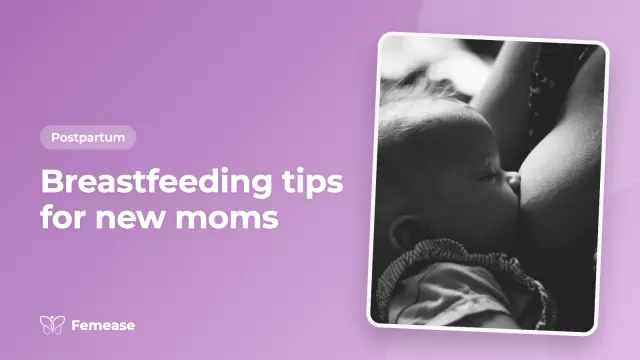
Breastfeeding tips for new moms
Breastfeeding trouble as a new mom? Simple tips on comfortable positions, skin-to-skin contact, eating and drinking well, and when to ask for help.
Postpartum care
Postpartum care: what to expect after giving birth, from physical recovery, rest, food and pelvic floor care to your emotions and asking for help.

Why sounds feel so loud
Why normal noise (baby crying, household sounds) can feel overwhelming, and what sensory overload looks like in new moms.
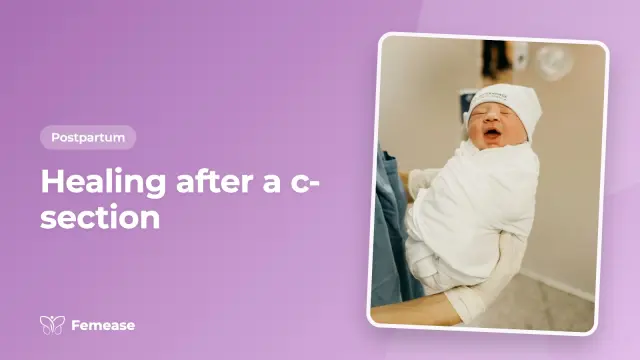
Healing after a c-section
C-section recovery at home: tips on your healing timeline, pain, gentle movement, caring for your stitches, eating well and emotional support.

Postpartum rage
Angry all the time after your baby? Learn what postpartum rage feels like, why it happens, and what you can do, including when to talk to a professional.
