Mindfulness practices to help you manage daily stress
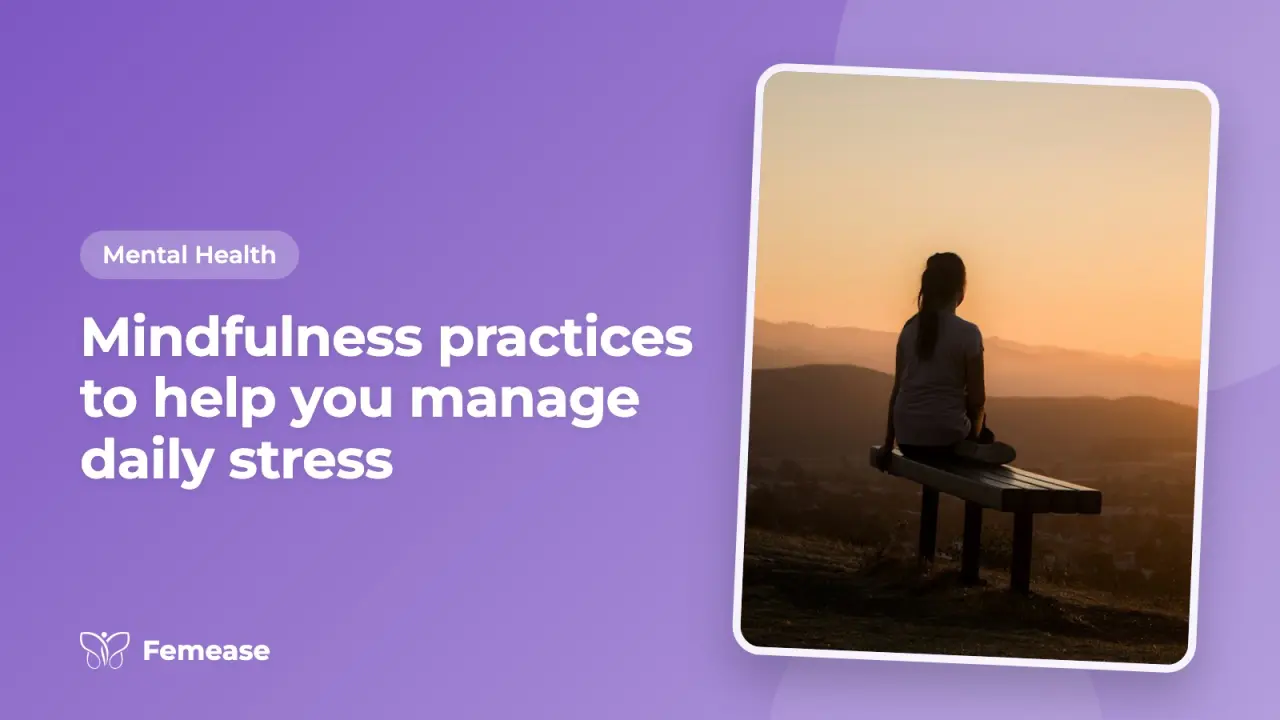
In short: Mindfulness means paying gentle attention to the present moment, your breath, body, thoughts and surroundings, without judging them. A few minutes a day can help you feel calmer, handle emotions better and focus more. Easy ways to start are mindful breathing, a body scan, eating one meal slowly, a quiet walk outside, or writing down three things you are grateful for. If stress or anxiety is affecting your sleep, work or relationships, talk to a doctor or counsellor.
In a world filled with constant demands and distractions, stress has become an unwelcome companion for many women. Juggling work, family, and personal responsibilities can lead to overwhelming feelings of anxiety and fatigue. One effective way to combat daily stress is through mindfulness—a practice that encourages living in the present moment and cultivating awareness. This blog will explore the benefits of mindfulness and provide practical techniques to incorporate it into your daily routine.
What is Mindfulness?
Mindfulness is the practice of paying attention to the present moment without judgment. It involves becoming aware of your thoughts, feelings, and bodily sensations while allowing them to exist without trying to change or suppress them. By focusing on the here and now, you can create a sense of calm and clarity that helps reduce stress and anxiety.
The Benefits of Mindfulness for Mental Health
Reduces Stress: Mindfulness can lower levels of the stress hormone cortisol, helping you feel more relaxed and centered.
Improves Emotional Regulation: Practicing mindfulness can enhance your ability to manage emotions, making it easier to respond to stressors without becoming overwhelmed.
Enhances Focus and Concentration: Mindfulness encourages you to concentrate on the present moment, which can improve your attention span and cognitive performance.
Promotes Self-Awareness: By becoming more aware of your thoughts and feelings, you can gain insight into your mental patterns and triggers, leading to healthier coping strategies.
Simple Mindfulness Techniques to Try
Incorporating mindfulness into your daily routine doesn’t have to be time-consuming. Here are some simple practices to get you started:
Mindful Breathing
How to Do It: Find a comfortable position, either sitting or lying down. Close your eyes and take a deep breath in through your nose, filling your lungs. Exhale slowly through your mouth. Focus solely on your breath—the sensation of air entering and leaving your body.
Duration: Practice for 5-10 minutes, gradually increasing the time as you become more comfortable.
Body Scan Meditation
How to Do It: Lie down in a quiet place and close your eyes. Starting from your toes, focus on each part of your body, noticing any sensations, tension, or discomfort. Slowly move your attention up to your head, taking your time with each area.
Duration: 10-20 minutes.
Mindful Eating
How to Do It: During your next meal or snack, take a moment to appreciate the colors, textures, and smells of your food. Eat slowly, savoring each bite. Pay attention to the flavors and how your body feels as you eat.
Duration: Use this practice for at least one meal each day.
Nature Walk
How to Do It: Take a walk outside and immerse yourself in the environment. Notice the sounds of birds, the rustle of leaves, and the feeling of the ground beneath your feet. Allow yourself to be fully present in this experience.
Duration: 15-30 minutes.
Gratitude Journaling
How to Do It: At the end of each day, write down three things you’re grateful for. Reflecting on positive experiences can shift your focus away from stressors and promote a sense of well-being.
Duration: 5-10 minutes.
Integrating Mindfulness into Your Life
To reap the full benefits of mindfulness, consistency is key. Try to set aside time each day for mindfulness practices, even if it’s just a few minutes. Consider incorporating mindfulness into daily activities, such as during your commute, while washing dishes, or while waiting in line.
** Conclusion**
Mindfulness is a powerful tool for managing daily stress and enhancing overall mental health. By taking the time to cultivate awareness and live in the present moment, you can create a sense of peace and resilience amidst life’s challenges. Remember, prioritizing your mental wellness is essential, and Femease is here to help you on your journey toward a healthier, more balanced life.
At Femease, we recognize the importance of mental health and wellness for women. Our personalized health plans include mindfulness techniques as part of a holistic approach to emotional well-being. Our team of experts is here to support you in developing a mindfulness practice tailored to your individual needs.
Questions women ask
What is mindfulness in simple words?
It is the habit of noticing what is happening right now, your breath, feelings and surroundings, without trying to push anything away or judge it. It helps you respond to stress instead of being swept along by it.
How do I start practising mindfulness?
Sit comfortably, close your eyes and follow your breath for 5 to 10 minutes. When your mind wanders, gently bring it back. You can also eat one meal slowly, take a walk noticing the sounds around you, or write down three good things before bed.
How does mindfulness help with stress?
It helps you pause, calm your body and notice your thoughts and triggers. Over time this can make it easier to manage emotions, focus better and choose healthier ways to cope with daily pressure.
When should I get help for stress?
If stress or worry is affecting your sleep, appetite, work or relationships for weeks, or you feel hopeless, talk to a doctor or counsellor. If you have thoughts of harming yourself, get help straight away: go to the nearest hospital emergency or call Tele-MANAS, India's free mental health helpline, on 14416.
General information, not medical advice. Talk to a doctor about your own health.
Talk to a therapistKeep reading in the Femease app
Save articles, track your cycle or pregnancy, and talk to a doctor when you need one.
Keep reading
Why mindfulness doesn’t work for everyone
Why meditation can feel unsafe for some, and how to practice mindfulness in ways that truly support your mental well-being.
How to manage anxiety and stress: what actually helps
Everyday steps that ease anxiety and stress, what to do when your heart races, and when to get help, including India's Tele-MANAS helpline.

Braxton hicks contractions and false labor
Braxton Hicks or real labour? Learn how practice contractions and false labour feel, how they differ from true labour, and when to call your doctor.
Work-life balance
Struggling with work-life balance? Simple tips to set boundaries, make time for self-care, manage stress and screen time, and know when to seek help.

Navigating hormonal imbalances and mental health
Mood swings, anxiety or low mood? Learn how hormone changes in periods, pregnancy, postpartum and menopause affect mental health, and where to get support.
Managing anxiety during fertility treatments
Navigating the Emotional Rollercoaster with Practical Strategies and Support from Femease
