The disconnect between emotional intelligence and emotional capacity
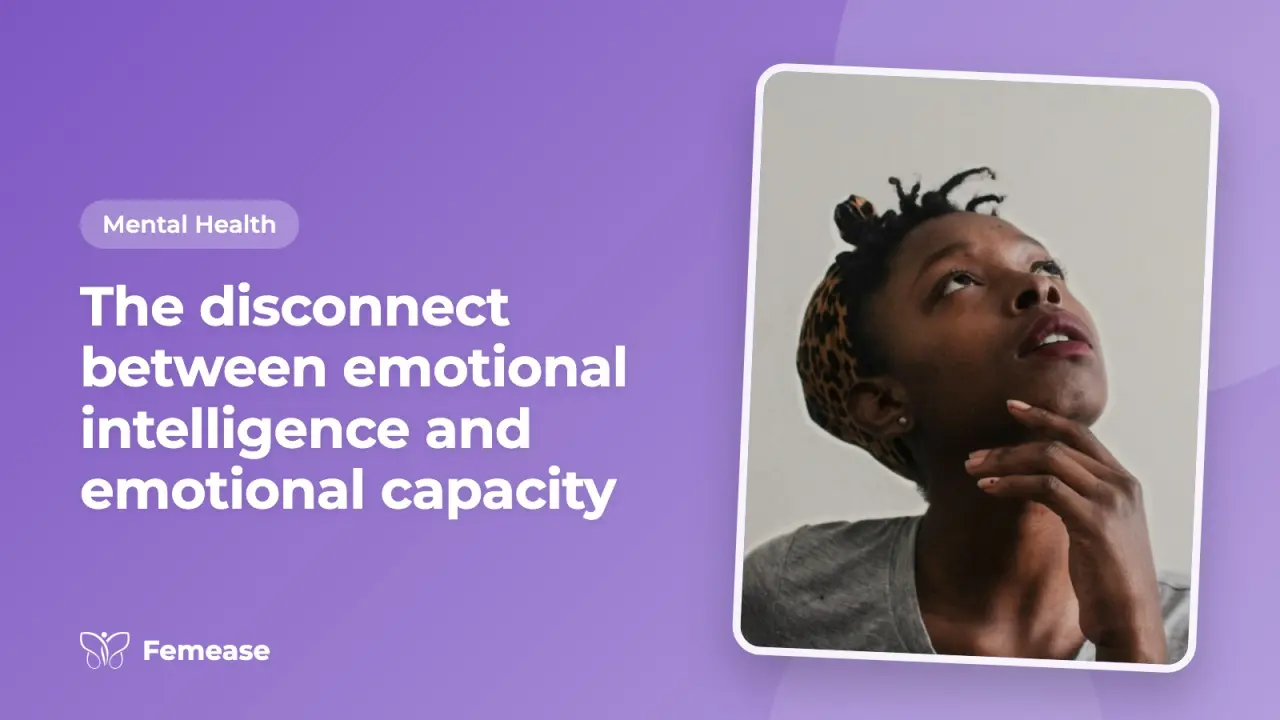
In short: Emotional intelligence is knowing and understanding feelings, your own and other people's. Emotional capacity is being able to actually stay with those feelings, especially hard ones, without shutting down or pulling away. Someone can talk beautifully about emotions yet still go silent in conflict or avoid closeness. Watch whether a person's actions match their words. Emotional capacity can grow with time, practice and, often, therapy.
We’ve all met someone who seems deeply emotionally intelligent, maybe they are articulate about their feelings, empathetic in conversation, and even read Brené Brown or talk about trauma healing. And yet, when it comes to intimacy or emotional vulnerability, they shut down. They disappear. They ghost. They avoid the tough conversations.
You are left confused, thinking: Wait… I thought they understood emotions?
Welcome to the murky space between emotional intelligence and emotional capacity, two very different things that people often confuse.
What is emotional intelligence?
Emotional intelligence (EQ) is the ability to recognize, understand, and manage your own emotions, and to recognize, empathize with, and influence the emotions of others. People with high EQ can:
- Pick up on nonverbal cues
- Express emotions clearly
- De-escalate conflicts
- Listen empathetically
- Offer advice or comfort that sounds deeply understanding
It is impressive. But it is not the whole story.
What is emotional capacity?
Emotional capacity is the ability to tolerate_,_ hold space for, and act within emotional experiences, especially the uncomfortable ones. It is about:
- Being able to sit with someone’s pain without shutting down
- Staying open and connected in times of conflict
- Following through on emotional promises, not just verbalizing them
- Not avoiding emotional responsibility when things get hard
In short, Emotional intelligence is what you know. Emotional capacity is what you can handle.
Why does this disconnect happen
Here is the truth: many people with high emotional intelligence lack emotional capacity. They understand emotions on a cognitive level, maybe even a therapeutic one, but when intimacy triggers fear, insecurity, or vulnerability, they emotionally check out.
This can be due to:
1. Unhealed trauma
Even the most self-aware people can carry trauma that has not been processed at the nervous system level. They know what is happening, but cannot regulate their reaction when emotional stakes are high.
2. Over-intellectualizing feelings
Some people use their intelligence as a defense mechanism. They can dissect emotions but struggle to feel them. You might hear them analyze a problem endlessly, but avoid sitting in the discomfort.
3. Avoidant attachment styles
Avoidantly attached people often seem put together, calm, and even emotionally articulate. But under pressure, they detach to protect themselves. They may ghost, go silent, or minimize your emotions.
4. Fear of intimacy
They are good at giving support, but not receiving it. Being vulnerable makes them feel exposed or out of control. So, they stay “in control” by keeping emotional distance.
People who lack emotional capacity are not trying to hurt others. Most of them are not even fully aware of the gap. They often feel guilty when they cannot show up, but do not know how to build that capacity.
They might even be kind, soft-spoken, or introspective, and still make you feel deeply alone.
How does this play out in relationships
You may be dating someone who says all the right things: “I want to be vulnerable.” “I’ve been to therapy.” “I care about you.”
But when you express hurt, ask for a deeper connection, or need them to emotionally show up, they deflect, minimize, or shut down.
This mismatch between what they say and how they behave is what makes emotionally unavailable partners so confusing, and often painful to love.
How to protect yourself (without losing empathy)
If you are constantly left feeling emotionally unmet, it is okay to step back. Here is what you can do:
Observe consistency: Are their actions matching their words?
Ask questions about behavior, not theory: “How do you respond when someone needs you emotionally?”
Watch how they handle conflict: Do they avoid, blame, or shut down?
Be honest with yourself: Are you making excuses because you see potential?
You deserve someone who not only understands feelings, but can meet you in yours.
Can emotional capacity be built?
Yes. Emotional capacity can grow over time, with effort, therapy, introspection, and most importantly, emotional practice. But it requires:
- A willingness to feel discomfort
- Rebuilding nervous system safety
- Repairing attachment wounds
- Ongoing, embodied emotional work, not just intellectual analysis
Emotional intelligence is not a shortcut to emotional maturity. And no matter how “aware” someone sounds, the real question is: Can they hold space for emotions when it matters most?
Questions women ask
What is the difference between emotional intelligence and emotional capacity?
Emotional intelligence is the skill of noticing, naming and understanding emotions. Emotional capacity is how much emotion you can hold and stay present with, especially in conflict or pain. In short, intelligence is what you know about feelings, and capacity is what you can handle.
Why do emotionally intelligent people shut down?
Understanding feelings in your head is different from staying calm with them in your body. Unhealed hurt, a habit of over-thinking feelings instead of feeling them, an avoidant attachment style or a fear of closeness can all make someone withdraw when things get intense.
Can emotional capacity be built?
Yes. It grows slowly through practice: sitting with discomfort instead of escaping it, learning to calm your body when emotions rise, and repairing old attachment wounds. Therapy can help a lot. A counsellor or therapist is a good place to start if relationships keep feeling unsafe or draining.
How do I know if my partner lacks emotional capacity?
Look at actions, not words. Notice whether they stay present when you are hurt, how they handle conflict, and whether they follow through on what they promise. If you keep feeling alone even with someone who says the right things, it is okay to step back and protect yourself.
General information, not medical advice. Talk to a doctor about your own health.
Talk to a therapistKeep reading in the Femease app
Save articles, track your cycle or pregnancy, and talk to a doctor when you need one.
Keep reading

Preparing older siblings emotionally for a new baby
Preparing your child for a new baby? How to talk to older siblings, involve them, handle mixed feelings and behaviour changes, and build their bond.
Embracing emotional wellness
Why does mental health matter for women? Learn how hormones affect mood, why stigma keeps women silent, and small daily steps to emotional wellness.
Emotional eating vs. Real hunger
Eating when you're not hungry? Learn how to tell emotional eating from real hunger, why it happens, and what you can do instead in the moment.

Matrescence: The emotional birth of a mother
Understanding the psychological and emotional transformation during the transition into motherhood
How music, frequency, and sound affect mental states
Exploring sound therapy, binaural beats, and how auditory environments can heal or harm.

Mental health and the language we use with ourselves
The role of internal self-talk in creating or healing from depression and low self-esteem.
