Self sabotage
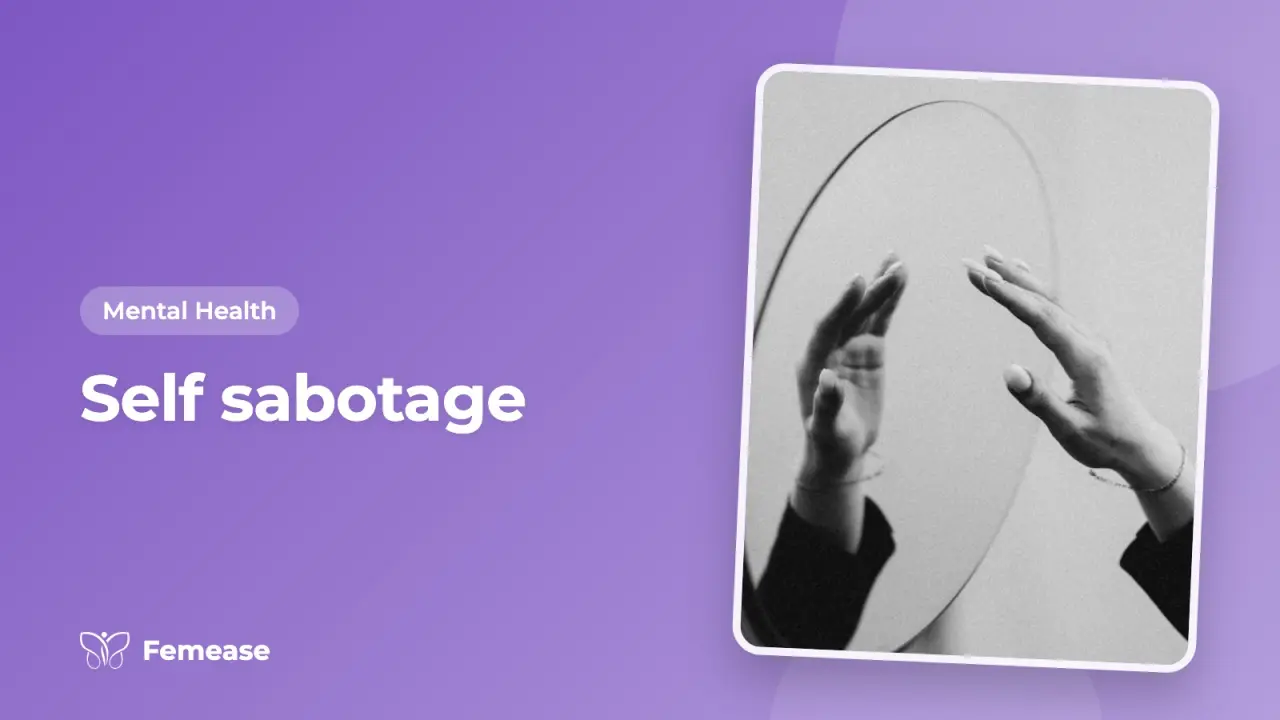
In short: Self-sabotage is when your own actions, like putting things off, picking fights or avoiding chances, get in the way of goals you care about. It is usually a way of coping, not a sign you are broken. Common roots are fear of failure or success, low self-worth, comfort in the familiar and perfectionism. Noticing the pattern, speaking kindly to yourself and working with a therapist can help you change it.
We’ve all done it. Skipped a workout, procrastinated on a deadline, pushed away a relationship that was actually going well, or binged on comfort food the night before a big presentation. And afterwards, we’re left wondering: Why do I keep getting in my own way?
This, right here, is the invisible wall we call self-sabotage. It’s a silent blocker that disguises itself as laziness, self-doubt, or “just how I am,” but underneath the surface, it’s often a complex dance between fear, unresolved emotions, and deep-rooted beliefs about worthiness and success.
What is self-sabotage, really?
From a clinical standpoint, self-sabotage is when your behaviors or actions create problems in your daily life and interfere with long-standing goals. It often operates unconsciously, meaning you may not even realize you're doing it until the consequences show up.
Examples include:
Procrastinating on important tasks
Starting fights in healthy relationships
Overspending right before financial progress
Avoiding feedback or opportunities
Undermining your own health routines
Self-sabotage is often rooted in the need for control. If we expect failure, we might rather be the cause of it than be surprised by it. So we (subconsciously) pull the plug on our own progress.
Why do we self-sabotage?
Let’s get real here, it’s not because you’re broken or “not trying hard enough.” Self-sabotage is usually a coping mechanism.
Here are a few common reasons we do it:
Fear of failure (and success)
Fear of failure can lead to self-handicapping behaviors, where people deliberately lower their effort so they have an excuse if they don’t succeed. Ironically, fear of success can also trigger sabotage, because success brings change, responsibility, visibility, and sometimes, pressure to repeat it.
Low self-worth
“If I don’t believe I deserve happiness, I’ll unconsciously ruin anything good.” Sound familiar? Core beliefs developed in childhood, especially in environments where love was conditional or inconsistent, can set up a lifelong pattern of blocking success to match our inner self-image.
Comfort in the known
The brain is wired for predictability, not happiness. So even if chaos or underachievement is painful, it’s familiar. Our nervous system gets used to certain emotional states, like stress, guilt, or disappointment, and staying in that loop can feel safer than stepping into the unknown.
Perfectionism
Perfectionists often self-sabotage because the fear of doing something imperfectly can be so paralyzing that they’d rather not do it at all. This creates a cycle of delay, panic, and self-criticism that reinforces the same behavior.
What does it feel like?
Self-sabotage is sneaky. It doesn’t always look like destruction, it can feel like:
Overthinking every decision
Second-guessing compliments or achievements
Feeling stuck or unmotivated for no clear reason
Avoiding joy or intimacy
Chronic busyness but little real progress
How to break the cycle (with compassion)
This is the part where I tell you: it’s possible to unlearn this. But it takes more than willpower, it requires awareness, accountability, and a little self-love.
Name it when you see it
The first step is recognizing the pattern. Ask:
“Am I doing this to protect myself from something I’m afraid of?”
Start journaling your thoughts when you avoid something important. You’ll start seeing the fears beneath the behavior.
Reframe your inner dialogue
Self-compassion is a powerful tool for personal growth and change. Instead of saying “I screwed up again,” try:
“This is hard, and I’m doing my best. What triggered me this time?”
Gentleness opens the door to understanding. Shame slams it shut.
Challenge limiting beliefs
If your inner script says, “I always ruin things,” ask yourself: Is that 100% true? Where did I learn that? Beliefs are not facts. They’re often outdated conclusions from childhood. Therapy helps unpack and rewrite these narratives.
Take micro-risks
Do something uncomfortable but manageable, like sharing your idea in a meeting, going on a date, or setting a boundary. Small wins help rewire the brain for new outcomes.
Work with a professional
There’s no badge for doing it all alone. A licensed therapist or psychologist can help you uncover the roots of your self-sabotage and build healthier coping tools. Sometimes, just feeling seen in your patterns is a game-changer.
Questions women ask
Why do I self-sabotage when things are going well?
Good things can feel unfamiliar and scary. Success brings change and pressure, and if part of you does not feel deserving, you may pull the plug before something can go wrong. Our minds often prefer what is predictable, even when it is painful.
Why do I self-sabotage my relationships?
Fear of being hurt or left can lead to picking fights, pulling away or doubting kind words, often without realising it. These patterns often start in childhood, especially where love felt conditional or unpredictable. A therapist can help you understand them and build safer ways of relating.
What are signs of self-sabotage?
Overthinking every decision, brushing off compliments, feeling stuck for no clear reason, avoiding joy or closeness, staying busy without real progress, putting off important tasks and undermining your own health routines. Journaling when you avoid something can show you the fear underneath.
How do I stop self-sabotaging?
Name the pattern when you see it and ask what you are protecting yourself from. Swap harsh self-talk for kinder words, question old beliefs like "I always ruin things" and take small, manageable risks. A licensed therapist or psychologist can help you uncover the roots and build healthier habits.
General information, not medical advice. Talk to a doctor about your own health.
Talk to a therapistKeep reading in the Femease app
Save articles, track your cycle or pregnancy, and talk to a doctor when you need one.
Keep reading
The psychology of procrastination
Why do I procrastinate? Learn why putting things off is about emotions, not laziness, how shame keeps you stuck, and 5 kind ways to break the cycle.

Mental health and the language we use with ourselves
The role of internal self-talk in creating or healing from depression and low self-esteem.

Self-care for new moms
Self-care for new moms: simple tips for Indian mothers on traditional postpartum practices, good food, rest, gentle activity, support and me-time.

Menstrual cycles and breast health
Sore or lumpy breasts before your period? Learn which breast changes are normal in your cycle, red flags to watch for, and how to do a self-exam.

Digital burnout vs. Tech addiction
Drained by your phone and screens? Learn the difference between digital burnout and tech addiction, the signs of each, and small steps that help.
The pressure of toxic positivity
What is toxic positivity? Learn why 'good vibes only' can hurt, how it shows up at work, in grief and parenting, and better ways to support each other.
