The psychology of procrastination
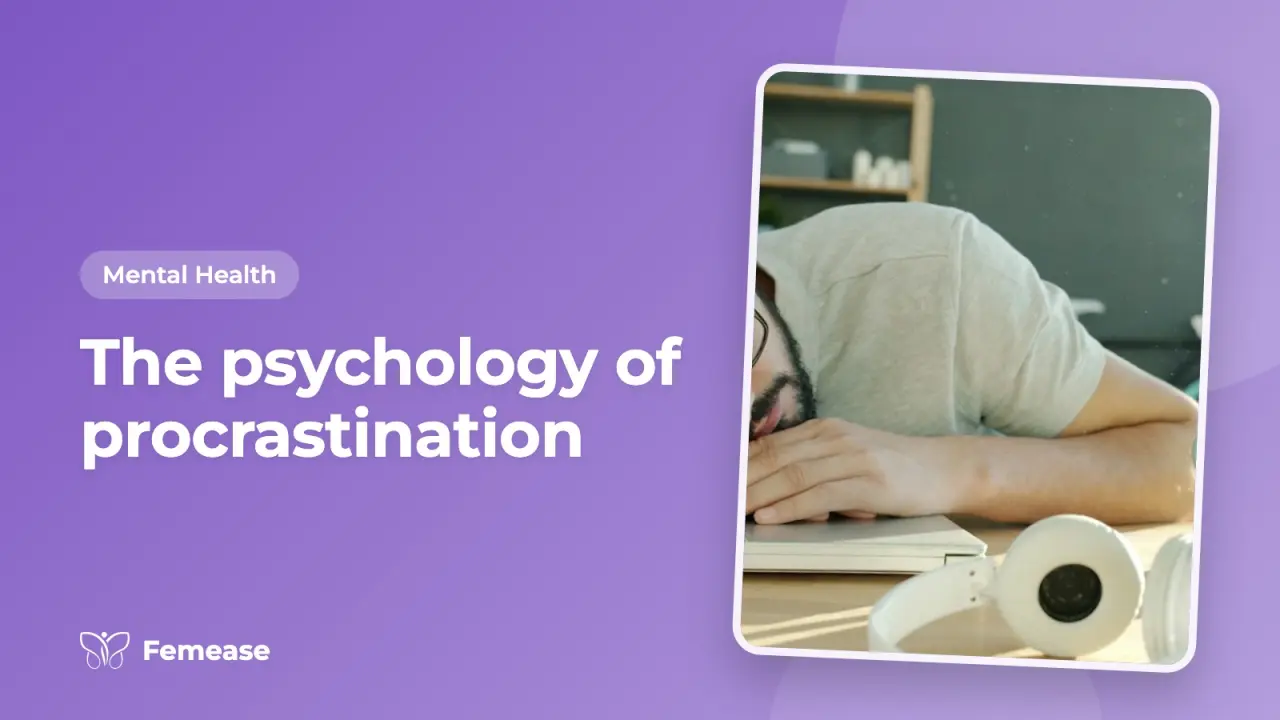
In short: Procrastination is usually not laziness. It is often a way of avoiding uncomfortable feelings, such as fear of failure, anxiety, self-doubt or boredom, that a task brings up. Shame after putting things off makes the next start even harder, so the cycle keeps going. Naming the feeling, breaking the task into tiny steps and speaking to yourself kindly can help you begin.
Ever stared at your to-do list, feeling overwhelmed yet unable to start anything? You are not alone. Procrastination is a universal experience, one that affects students, professionals, creatives, and even high achievers. But despite how common it is, many of us carry deep shame about our procrastination, making it even harder to break the cycle.
So, why do we procrastinate even when we know it hurts us in the long run? To truly understand, we need to look beyond laziness and dive into the emotional vs. logical tug-of-war happening in our brains.
Procrastination is not laziness, it is emotional avoidance
It is tempting to chalk up procrastination to a lack of discipline or poor time management. But psychologists often describe something deeper: procrastination is often rooted in emotional regulation, not laziness.
When we avoid tasks, it is usually because they stir up unpleasant emotions like:
- Anxiety
- Fear of failure
- Self-doubt
- Boredom
- Insecurity
Your logical brain (the prefrontal cortex) knows that finishing the task is beneficial in the long run. But your emotional brain (especially the amygdala) hijacks your decision-making to help you avoid discomfort now. That is why you might find yourself scrolling through social media or organizing your desk when you should be writing a report.
Emotional vs. logical decision-making: The inner tug-of-war
Think of your brain as having two competing managers:
- The Logical Manager: "This deadline is important. Let’s get started."
- The Emotional Manager: "But what if I mess it up? I am not in the right mindset. Maybe later."
Unfortunately, the emotional manager tends to win, especially when tasks trigger self-worth or fear-based beliefs. It is not that we do not care. We care so much that it paralyzes us.
Shame: The silent fuel of procrastination
Once we have procrastinated, shame quickly creeps in:
“Why can’t I just get it together?”
“I’m so lazy.”
“Everyone else is doing fine, what’s wrong with me?”
Shame makes the problem worse. It does not motivate us; it locks us into inaction. We avoid tasks not just because they are hard, but because they now represent our perceived personal failure. This emotional weight makes starting even harder the next time.
This creates a loop:
- Avoid the task
- Feel ashamed
- Delay more to avoid the shame
- Shame grows
- And the cycle continues.
We’ve all been there
Let us be real, most people do not wake up excited to do taxes, have tough conversations, or face uncertainty. You might be a perfectionist, paralyzed by the need to do it "just right." Or maybe you are burnt out and cannot muster the emotional energy to begin. You are human. It makes sense.
How to break the procrastination-shame cycle
You do not need a productivity hack; you need emotional self-awareness and self-compassion. Here is where to start:
1. Name the emotion behind the task
Instead of saying “I’m lazy,” ask:
- What emotion am I trying to avoid?
- Is this task triggering fear, boredom, or self-doubt?
Labelling the emotion helps disarm it.
2. Shrink the task
Break the overwhelming project into micro-steps. Start with “Open the document” instead of “Write the report.” Progress builds momentum.
3. Talk to yourself like a friend
Would you call your friend a failure for struggling? No. So do not say it to yourself. Try, _“_This is hard, and it is okay, I feel stuck. Let us take one small step.”
4. Use the 5-minute rule
Commit to doing the task for just five minutes. Often, the hardest part is starting. Once you begin, inertia kicks in.
5. Replace shame with curiosity
Instead of beating yourself up, get curious:
- What led me to avoid this?
- What support or environment do I need to make this easier?
Procrastination is not a character flaw. It is your brain trying to protect you from discomfort. But with awareness, compassion, and small, intentional steps, you can train yourself to respond differently.
The next time you find yourself stuck, do not ask, “What’s wrong with me?” Ask, “What am I feeling and how can I help myself through it?”
Questions women ask
Why do I procrastinate so much?
Often because the task stirs up an unpleasant feeling, like fear of getting it wrong, self-doubt or boredom. Your mind chooses relief now over the reward later. Perfectionism and burnout can make it worse. It is not a character flaw, and it can change with awareness and small steps.
Why do I procrastinate even when it feels bad?
Putting a task off brings quick relief, but then shame creeps in. That shame makes the task feel even heavier, so you avoid it again. Being harsh with yourself does not break this loop. Being curious and kind about what you are feeling usually works better.
How do I stop procrastinating?
Ask yourself which feeling you are avoiding. Shrink the task to a first step, like opening the document. Try working on it for just five minutes, since starting is often the hardest part. Talk to yourself the way you would talk to a struggling friend.
Is procrastination linked to anxiety?
Yes, it often is. Anxiety, fear of failure and perfectionism can all make starting feel risky, so avoiding the task feels safer for a while. If putting things off is affecting your work, studies or sleep for a long time, talking to a therapist or counsellor can really help.
General information, not medical advice. Talk to a doctor about your own health.
Talk to a therapistKeep reading in the Femease app
Save articles, track your cycle or pregnancy, and talk to a doctor when you need one.
Keep reading
Self sabotage
Why do I keep getting in my own way? Learn what self-sabotage is, why it happens, from fear of failure to perfectionism, and kind ways to break the cycle.
Navigating envy, guilt & shame without beating yourself up
A real talk guide to embracing “negative” emotions with compassion, not criticism
When talking fails, this kind of therapy speaks volumes
Hard to put your pain into words? Learn how creative, non-verbal therapies like art, dance and music can help trauma survivors, children and others heal.
The ethics and emotions of sleep training
Exploring the guilt, societal pressure, and polarized opinions make sleep training so emotionally loaded.
When mental illness is quiet
Struggling quietly behind a smile? Learn how quiet BPD, OCD and PTSD can look, the cost of masking, and how to support someone who is silently struggling.
Hyper-independence: meaning, signs and why it happens
Those who have learned to rely only on themselves may struggle silently with trust, connection, and asking for help.
