How carrying others’ emotions drains your mental bandwidth
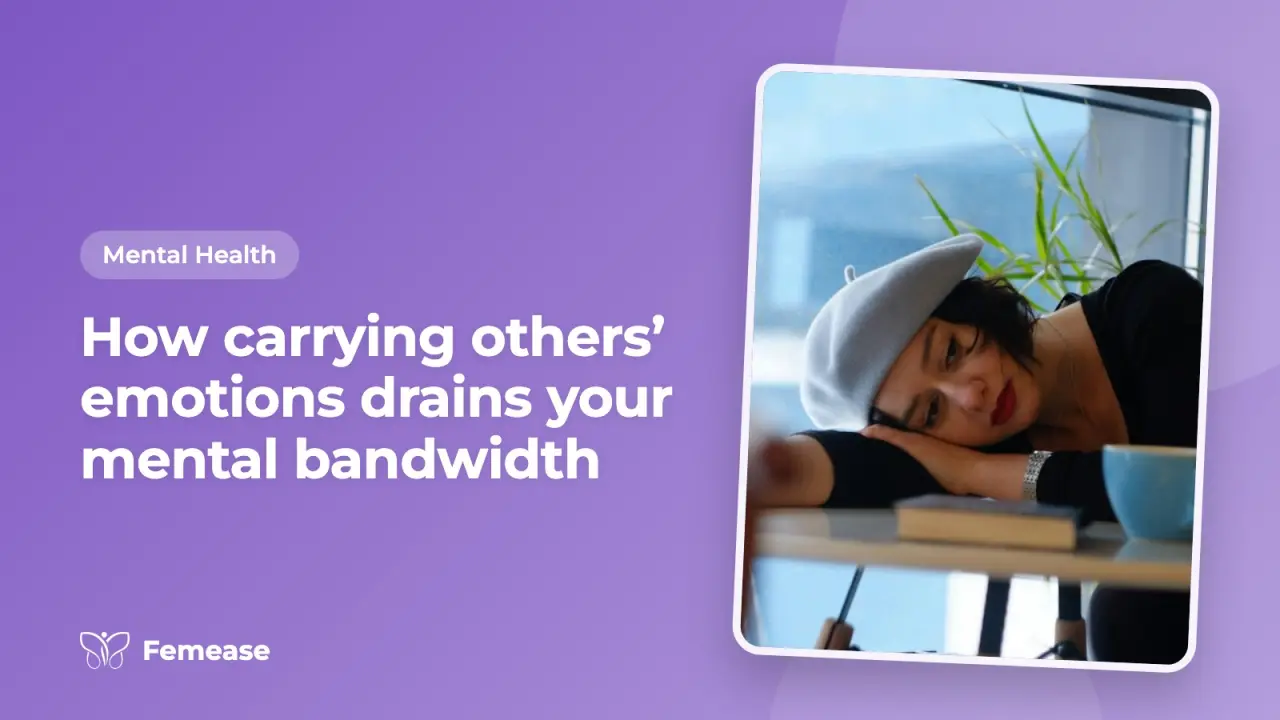
In short: Mental bandwidth is how much your mind can handle at a time: thinking, planning and managing feelings. Emotional bandwidth in a relationship is how much space you have to hold someone else's feelings. When you keep absorbing others' stress, both run low, and you may feel tired, foggy, irritable or numb. Caring with boundaries helps. If you feel drained, anxious or low for weeks, talk to a counsellor or doctor.
Ever left a conversation feeling strangely drained, even though you did not talk much about yourself? Maybe a friend vented about their problems, or a coworker spiraled into negativity. You walked away heavy, your mind looping with their feelings.
This is not your imagination; this is emotional load, and it can seriously impact your mental bandwidth.
In today’s hyperconnected world, it’s easy to absorb other people’s emotions without realizing it. But over time, this hidden burden can chip away at your energy, focus, and even your well-being.
What does it mean to carry others’ emotions?
Psychologists often call this emotional contagion, the natural human tendency to “catch” other people’s feelings.
It is part of how we connect. If your partner is stressed about work, you might feel tense, too. If your friend is grieving, you feel the heaviness in your own heart.
This is normal. But when you regularly internalize other people’s emotions without boundaries, your mental resources get hijacked by their distress.
The hidden cost: Your mental bandwidth
Mental bandwidth is your brain’s capacity to think, plan, process, and regulate emotions. It’s limited, like a phone battery. If you spend too much of it carrying others’ emotions, you have less left for your own life.
Here is how it can show up:
- Chronic fatigue You feel tired even when you have not done much physically.
- Difficulty concentrating Your mind replays other people’s issues instead of focusing on work or hobbies.
- Emotional numbness You start to shut down to protect yourself, feeling less joy or excitement.
- Resentment and irritability You may feel burdened but guilty about setting limits.
- Anxiety and burnout Your nervous system stays stuck in overdrive.
Carrying other people’s stress for a long time can keep your own stress response switched on, which can affect your sleep, digestion and immunity.
Are you an emotional sponge?
Some people are more prone to carrying others’ feelings. If you are a natural empath, caretaker, or someone who grew up in a household where you had to “manage” other people’s moods, you may do this without realizing it.
Ask yourself:
Do I feel responsible for fixing other people’s problems? Do I often feel drained after social interactions? Is it hard for me to separate my emotions from theirs? Do I feel guilty when I try to step back?
If you said yes to most of these, you may be carrying a greater emotional load than is healthy.
How to stop carrying emotions that are not yours
The good news: you don’t have to stop caring. You just need healthy boundaries and self-awareness.
Here are practical ways to protect your mental bandwidth:
1. Notice what’s yours vs. theirs
Pause and ask: Is this my feeling or theirs? Naming what you’re carrying helps you set it down.
2. Visualize a separation
Picture an imaginary boundary, a bubble or light, around your body. When someone shares heavy emotions, visualize their feelings staying on their side.
3. Set limits on emotional labor
It’s okay to say:
- “I care about you, but I’m not in the headspace to process this right now.”
- “Can we talk about something lighter?”
Boundaries are not rejection. They are self-respect.
4. Prioritize emotional hygiene
Just like you wash your hands, clear your mind after absorbing heavy feelings:
- Journaling
- Movement or exercise
- Mindfulness practices
- Talking to your own support system
5. Practice self-compassion
Remind yourself: You are not responsible for everyone else’s happiness.
Questions women ask
What does mental bandwidth mean?
It is your mind's limited capacity to think, focus, plan and handle emotions. Like a phone battery, it runs down. When a lot of it goes to worrying or to other people's problems, there is less left for your own work, rest and life.
What does emotional bandwidth mean in a relationship?
It is how much room you have, at a given time, to listen to and support your partner's feelings. It changes with stress and tiredness. Saying honestly when yours is low is healthier than pretending, and it helps both of you.
How do I know if I am carrying other people's emotions?
You may feel drained after conversations, keep replaying someone else's problems, feel responsible for fixing them, or feel guilty when you step back. Tiredness, poor focus, irritability or feeling numb can all be signs.
How can I stop absorbing other people's emotions?
Ask yourself whether a feeling is yours or theirs. Set gentle limits, like saying you care but cannot talk about it right now. Clear your mind with journaling, movement or talking to your own support people. You can care without carrying everything.
When should I get help?
If you feel exhausted, anxious or low most days for more than two weeks, or it affects your sleep, work or relationships, talk to a counsellor or doctor. If you have thoughts of harming yourself, get help straight away: call Tele-MANAS on 14416 or go to the nearest emergency.
General information, not medical advice. Talk to a doctor about your own health.
Talk to a therapistKeep reading in the Femease app
Save articles, track your cycle or pregnancy, and talk to a doctor when you need one.
Keep reading

Navigating envy, guilt & shame without beating yourself up
A real talk guide to embracing “negative” emotions with compassion, not criticism
Why suppressed anger can manifest as anxiety or depression
Understanding the hidden link between repressed emotions and mental health.

The gut-brain connection
Can food affect your mood? Learn how your gut and brain talk to each other, and how fibre, fewer processed foods and good sleep may support mental health.

The microstress effect
Tired for no clear reason? Learn what microstress is, how small daily triggers drain your energy, and simple ways to manage it before it piles up.
How early experiences shape adult anxiety
Understanding the deep connection between emotional safety in childhood and anxiety in adulthood, and how to begin healing.
When talking fails, this kind of therapy speaks volumes
Hard to put your pain into words? Learn how creative, non-verbal therapies like art, dance and music can help trauma survivors, children and others heal.
