The microstress effect
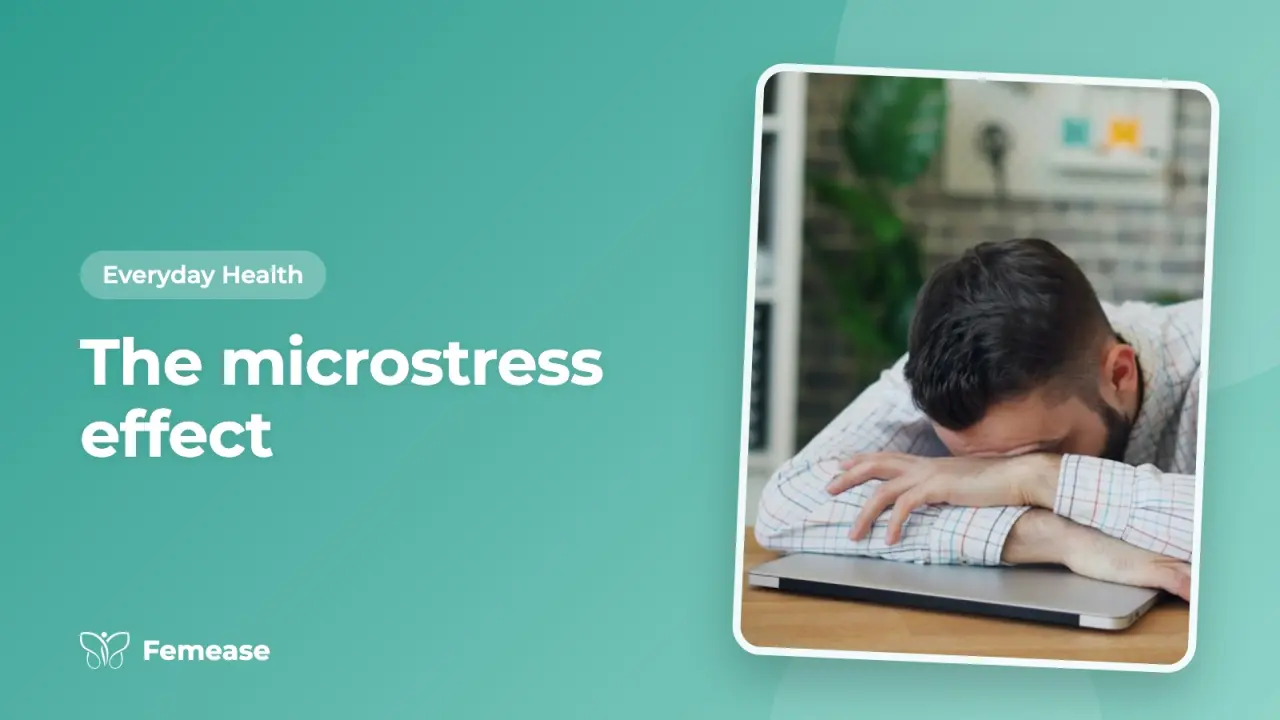
In short: Microstress means the small, everyday stresses that seem too minor to matter: a vague message from your boss, repeating the same reminder at home, back-to-back deadlines. On their own they are nothing, but together they keep your body slightly on alert and leave you drained, irritable and sleeping poorly. Noticing them, taking short breaks and setting small boundaries helps. If stress starts affecting your sleep, mood or periods for weeks, talk to a doctor or counsellor.
You know that feeling when you are not exactly overwhelmed, but something still feels... off? You are not in a crisis, your life is not falling apart, but by the end of the day, you are exhausted, mentally, emotionally, and even physically. That subtle drain you are feeling? It might be due to something called micro stress—a quiet energy thief that chips away at your well-being, one small trigger at a time.
What is the microstress effect?
The Microstress Effect refers to the cumulative impact of small, everyday stressors that often fly under the radar. These are not the big, obvious stressors like job loss, a breakup, or financial troubles. They are the minor frustrations, tiny obligations, and repeated interpersonal tensions that, when stacked together, have a powerful impact on your mental and physical health.
Think of it like digital fatigue, one notification is not a big deal, but a hundred in a day? It is enough to drain your battery. Microstress works the same way.
Real-life examples of microstress
Let us get real. Here are some everyday examples you have likely experienced:
- A vague message from your boss that leaves you second-guessing your performance.
- Having to constantly remind your partner or child about the same thing.
- Juggling overlapping work deadlines with no recognition.
- Trying to stay polite during a passive-aggressive Zoom meeting.
- Scrolling through social media and feeling “behind” in life.
Individually, none of these is dramatic. But collectively? They add up, and your body and brain feel it.
How microstress affects your brain and body
Microstress can switch on your fight-or-flight response, just like larger stressors. But because these are tiny and constant, your system never quite resets. Over time, this can:
- Weaken your immune system
- Disrupt your sleep
- Impairs focus and productivity
- Increase anxiety or irritability
- Erode relationships
Even worse? Many people do not realize it is happening. They just feel constantly drained without understanding why.
Why is it hard to spot (and stop)
Microstress often hides in the “should” of life — I should reply to that email tonight, I should take care of this errand, I should always be available.
We dismiss them as “just part of life,” and in many ways, they are. But pretending they do not affect us only allows the accumulation to grow.
The myth of toughing it out
We often pride ourselves on being resilient or adaptable. But resilience does not mean pretending stress does not exist; it means learning how to recognize and respond to it.
How to manage microstress before it piles up
Here are some practical strategies to reduce the impact of microstress:
1. Name it to tame it
The first step is awareness. Start identifying your micro stressors. Write them down. Track them for a week. Simply naming them helps your brain process them more clearly.
2. Create micro-recovery moments
Take small, intentional breaks: 5 minutes of deep breathing, a short walk, or just staring out the window. These “mini resets” help calm your nervous system.
3. Set healthy micro-boundaries
You do not need to reply to every message immediately. You can decline a Zoom call when your schedule is packed. Boundaries around your time and energy protect you from compounding stress.
4. Connect (not just scroll)
Meaningful human connection is one of the best buffers against stress. Call a friend, talk to a colleague, or check in with a loved one; a real connection heals.
5. Rethink productivity
More is not always better. Redefine what a “productive” day looks like; sometimes rest, reflection, or saying “no” is more productive than powering through.
Microstress is like background noise, always there, rarely noticed, but draining nonetheless. In a world where we are constantly “on,” learning to recognize and reduce microstress is essential for our long-term well-being.
You do not have to wait for a breakdown to act. Small steps can protect your energy, your relationships, and your health. You deserve a life that does not just look good from the outside but feels good on the inside.
Questions women ask
What is the meaning of microstress?
Microstress is the build-up of small, everyday stresses, like unclear messages, constant reminders or overlapping tasks. None feels serious alone, but together they keep your stress response switched on and quietly wear down your energy and mood.
What are the signs of stress in women?
Common signs include feeling tired all the time, poor sleep, irritability, trouble focusing, headaches, tummy upsets and changes in your periods. Many women also notice more anxiety or snapping at loved ones without knowing why.
How can I manage stress in daily life?
Start by noticing your small stressors and writing them down for a week. Take short breaks for deep breathing or a walk, reply to messages on your own time, and spend real time with people you trust.
When should I get help for stress?
See a doctor or counsellor if stress has affected your sleep, appetite, mood or periods for more than two weeks, or if you feel hopeless. If you have thoughts of harming yourself, go to hospital straight away or call Tele-MANAS on 14416 (free, 24 hours).
General information, not medical advice. Talk to a doctor about your own health.
Talk to a doctorKeep reading in the Femease app
Save articles, track your cycle or pregnancy, and talk to a doctor when you need one.
Keep reading

Effects of caffeine on women’s hormones
How coffee affects cortisol, estrogen, and sleep quality differently for women, especially during PMS or perimenopause.
Sleep posture and it's effect on organ health
Is your sleeping position good for you? Learn how sleeping on your left side, right side, back or stomach may affect your body, and what to notice.

Hair botox vs keratin: differences and side effects
What hair botox and keratin treatments do, how long they last, side effects, and which may suit your hair type.
Lingering anesthesia side effects after c-section or epidural
A realistic look at post-anesthesia symptoms like headaches, back pain, and nerve sensitivity.
The impact of blue light on hormonal health, not just sleep
How screen time disrupts melatonin, cortisol, and reproductive hormones.
The impact of your sleep position on digestion and circulation
Which side do you sleep on, and why does it matter more than you think
