Sleep posture and it's effect on organ health
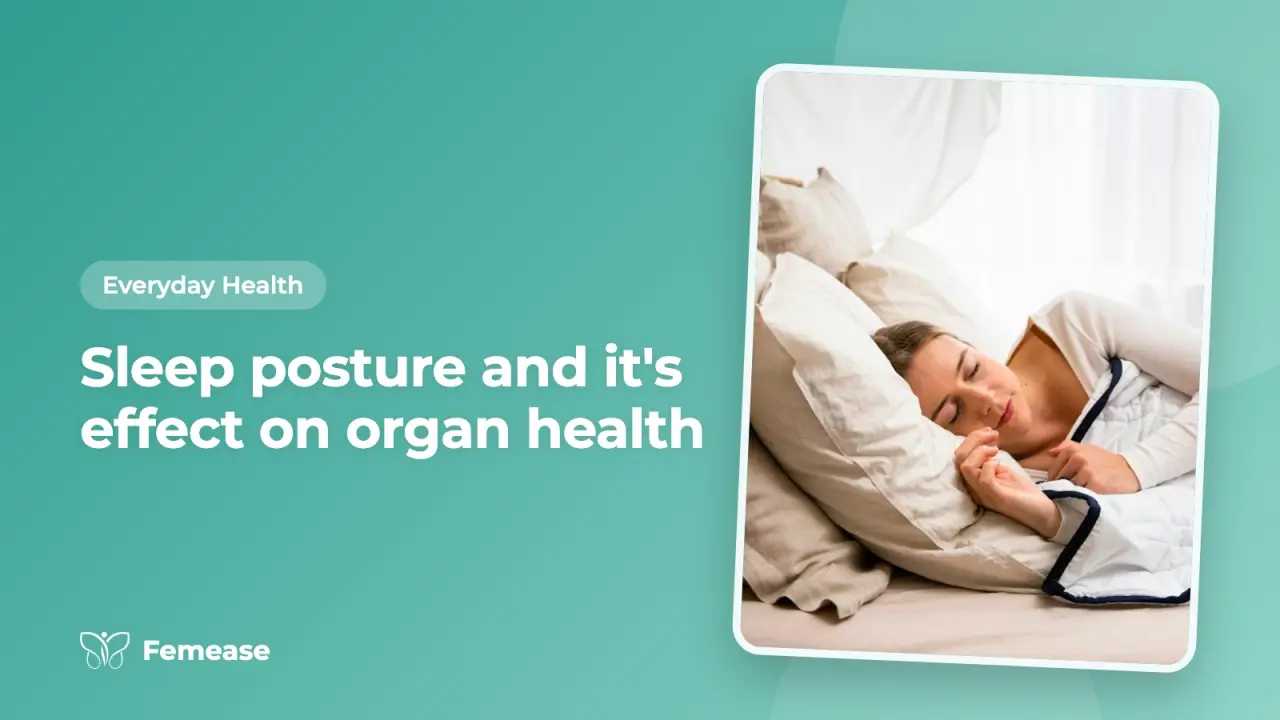
In short: Your sleep position can affect digestion, breathing and back comfort. Left-side sleeping suits most people and helps with acidity and digestion. Back sleeping is good for the spine, especially with a pillow under your knees, but can worsen snoring. Stomach sleeping strains the neck and lower back. You do not need to change overnight; small shifts like a body pillow help. See a doctor for loud snoring with pauses in breathing or back pain that does not settle.
We often talk about sleep like it’s a switch we flip—lights out, head down, done. But the position we take once we sink into our pillows? That’s something most of us do without a second thought. Yet your sleep posture—curled on your side, lying flat on your back, maybe even stomach-down—sends signals to your body, affecting not just your bones and muscles, but your internal organs too. Yep, the way you drift into dreamland could be shaping your health more than you think. Let’s explore how.
Sleep is Sacred, But So Is How You Sleep
You know that warm, safe feeling when you find your "perfect" position at night? That’s more than comfort. It’s muscle memory mixed with instinct, and sometimes, it’s your body trying to make up for imbalances you might not even be aware of. But here's the thing—comfort doesn't always mean optimal. Over time, certain positions can support or stress key organs like your heart, liver, stomach, and lungs.
Left Side: The Body’s Favorite Digestion Partner
Sleeping on your left side isn’t just something pregnant women are told to do. When you lie on your left, your stomach sits lower than your food pipe, so acid is less likely to rise. Many people find this eases acidity and night-time discomfort. Think of left-side sleeping as a gentle way to support the organs that keep you going day and night.
Right Side: A Temporary Fix, Not a Long-Term Friend
Now, right-side sleeping isn’t evil, but it comes with some quirks. Many people find it comfortable, but it can also: Make acid reflux and heartburn worse. Slightly compress the lungs if you're already dealing with breathing issues. Slow down digestion if you tend to eat late or feel bloated at bedtime. So while it might feel familiar, it’s not the most supportive posture for your internal processes.
Back Sleeping: The Silent Neutral
Lying on your back keeps things balanced, spine-wise. If you have neck or back pain, this could be a lifesaver. But it’s not for everyone. For those with sleep apnea or snoring, back sleeping can make things worse. It doesn’t support digestion, so if you're gassy or uncomfortable, it may amplify the sensation. Yet for your kidneys, lungs, and joints, this can be a solid option—especially if you prop yourself slightly with a pillow. It’s like giving your body a little time in “maintenance mode”—still and supported.
Stomach Sleeper: The Struggle Position
If you’re a stomach sleeper, you're probably already familiar with neck stiffness or numb arms. But internally, it’s also not ideal. The lungs don’t expand as freely. The stomach, bladder, and intestines get slight but constant pressure. The neck usually stays twisted, which can leave it stiff and sore. You might sleep through the night, but your body works harder than it should.
Your body talks in subtle ways
Sometimes your favorite position is a response to something deeper—tight hips, bloating, emotional stress. The fetal position, for instance, can feel like a shield when you’re overwhelmed. It’s okay. There’s no "bad" posture when it’s born from instinct. But learning how different positions affect your health can help you adjust gently, not forcefully. Tiny shifts, significant impact. You don’t have to overhaul your sleep habits overnight. Instead, start by lying on your left side for 10 minutes before you fall asleep. Add a pillow under your knees if you sleep on your back—it supports your lower back. Use a body pillow to stop yourself from rolling onto your stomach unconsciously. Try elevating your upper body slightly if digestion is an issue. It’s not about sleeping perfectly. It’s about sleeping with intention.
Questions women ask
Which side is best to sleep on for good digestion?
The left side is usually best. It keeps the stomach lower than the food pipe, so acid is less likely to rise, and food can move on more easily. Try lying on your left for a while as you fall asleep.
Is sleeping on the right side good or bad?
It is not harmful for most people, and some find it comfortable. But it can make acid reflux worse, and some people feel more bloated. If you have acidity at night, try switching to your left side.
What are the side effects of sleeping on your stomach?
Stomach sleeping keeps your neck turned for hours and can strain your neck and lower back, leading to stiffness or numb arms. A body pillow can help you stay on your side instead.
What is the best sleeping position for back pain?
Lying on your back with a pillow under your knees, or on your side with a pillow between your knees, supports the lower back. See a doctor if back pain lasts more than a few weeks or comes with numbness or weakness in the legs.
General information, not medical advice. Talk to a doctor about your own health.
Talk to a doctorKeep reading in the Femease app
Save articles, track your cycle or pregnancy, and talk to a doctor when you need one.
Keep reading

The impact of your sleep position on digestion and circulation
Which side do you sleep on, and why does it matter more than you think

Good sleep: why rest is key to your health
Not sleeping well? Learn why good sleep matters for your health, with simple tips on a regular schedule, bedtime routine, bedroom, caffeine and stress.

Lingering anesthesia side effects after c-section or epidural
A realistic look at post-anesthesia symptoms like headaches, back pain, and nerve sensitivity.

Hair botox vs keratin: differences and side effects
What hair botox and keratin treatments do, how long they last, side effects, and which may suit your hair type.
Work-life balance
Struggling with work-life balance? Simple tips to set boundaries, make time for self-care, manage stress and screen time, and know when to seek help.

Dehydration myths
Do you really need 8 glasses of water a day? We bust common hydration myths, explain how much water you may need, and when you might need more.
