The double-tap dilemma
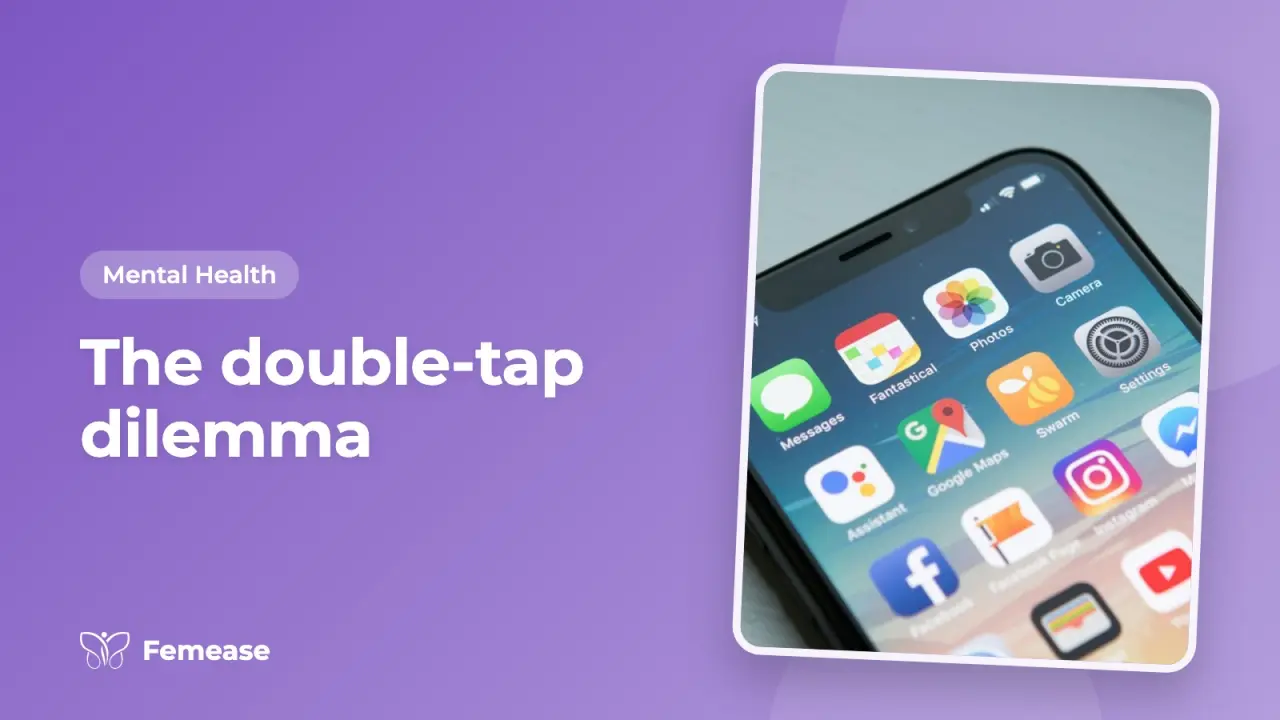
In short: Likes and comments can start to feel like a measure of your worth, and each one gives a small feel-good rush that keeps you checking. Comparing yourself to other people's filtered highlights can lower self-esteem and affect body image, especially in teens and young adults. You do not have to quit social media. Curating your feed, taking breaks and celebrating offline wins help. If it is pulling your mood down for weeks, talk to a therapist.
Imagine this: You’ve posted a photo you really like. You spent time picking the perfect filter, wrote a thoughtful caption, and then... You wait. A few likes trickle in. A comment here, a heart there. You feel seen, appreciated. But what happens when the likes stop? Or when your post doesn’t perform the way you hoped?
Welcome to the emotional rollercoaster of social media validation—a ride many of us didn’t sign up for, yet ride daily. The digital mirror. Social media platforms were designed to connect us, but somewhere along the way, they also became a mirror. Not just any mirror, but one that reflects how others see us. Several likes, shares, views, or comments can quickly start to feel like a measure of our worth. And when those numbers are low? It’s easy to feel invisible. Maybe even inadequate. The ‘Like’ button and the dopamine hit. There’s science behind this, too. Every time we receive a like or comment, our brain releases dopamine—the same feel-good chemical we get from eating chocolate or receiving a compliment. It’s addictive. And the more we get it, the more we crave it. This creates a loop: post, wait, check, refresh, repeat. Soon, it’s not just about sharing a moment. It’s about validation. When validation turns into comparison, Social media doesn’t exist in a vacuum. While we post and hope to be seen, we’re also watching others—scrolling through highlight reels of filtered perfection. Someone else’s vacation, their relationship, their fit body, their seemingly perfect life. The comparison trap is real, and it’s exhausting. We start to question: “Why don’t I look like that?” “Why am I not doing that?” “Why didn’t I get that many likes?” And just like that, our self-esteem takes a hit.
Especially for the young minds
For teens and young adults, who are still figuring out who they are, social media can feel like a constant performance. Heavy social media use has been linked with anxiety, low mood, and body image issues. It’s hard to develop a strong sense of self when you’re always looking for outside approval.
So, what can we do?
It’s not about deleting every app or swearing off the internet forever. Social media can still be fun, creative, and even healing. But maybe, just maybe, we can change the way we use it.
Here’s a start:
- Pause before you post. Ask yourself: Am I sharing this because I love it? Or because I want approval?
- Curate your feed.
- Unfollow accounts that make you feel “less than.” Follow ones that uplift you.
- Limit the scroll, try digital detox days.
- Set screen-time boundaries.
- Celebrate your offline wins.
Remember, your worth isn’t tied to a number on a screen. Be real. Share the unfiltered stuff. The messy, silly, honest parts. That’s where connection lives.
Questions women ask
Why do we seek validation on social media?
Each like or comment gives the brain a small feel-good reward, so we post, wait, check and refresh. Over time, the numbers can start to feel like a measure of our worth, and low numbers can leave us feeling invisible or not good enough.
How does social media affect self-esteem?
We see highlight reels of other people's holidays, bodies and relationships and start asking why our life does not look like that. This comparison can chip away at self-esteem. Heavy use has been linked with anxiety, low mood and body image worries, especially in young people.
How can I stop comparing myself on social media?
Unfollow accounts that make you feel less than and follow ones that lift you up. Before posting, ask if you are sharing for joy or for approval. Set screen-time limits, try a few phone-free days and celebrate the wins that happen offline.
When is social media use a mental health concern?
If scrolling leaves you anxious, low or unhappy with your body most days, or you cannot cut down even when you want to, talk to a therapist or counsellor. Young people may need a trusted adult to help them set limits.
General information, not medical advice. Talk to a doctor about your own health.
Talk to a therapistKeep reading in the Femease app
Save articles, track your cycle or pregnancy, and talk to a doctor when you need one.
Keep reading
Mental health and the language we use with ourselves
The role of internal self-talk in creating or healing from depression and low self-esteem.
Can bad posture cause a double chin?
How "tech neck" can soften your jawline, plus simple neck exercises, posture check-ins and sleep tips you can do in a few minutes a day.
Hair loss in young women
Stress, PCOS, thyroid issues, and poor diet, the hidden triggers you need to know
High-functioning anxiety and depression
Doing well outside but struggling inside? Learn what high-functioning anxiety and depression look like, why they're hard to talk about, and where to start.
Managing anxiety during fertility treatments
Navigating the Emotional Rollercoaster with Practical Strategies and Support from Femease
Mindfulness practices to help you manage daily stress
Discover Simple Techniques to Cultivate Awareness and Reduce Anxiety in Your Everyday Life
