The role of magnesium in reducing menstrual cramps
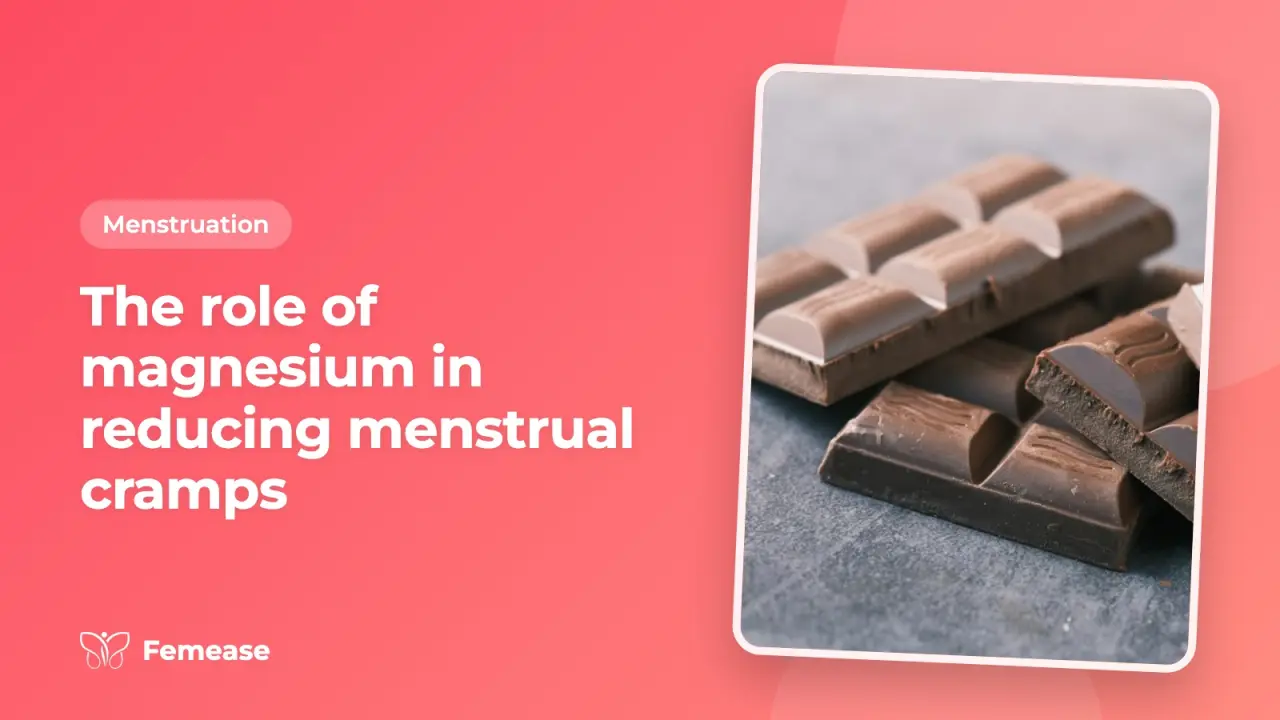
In short: Magnesium is a mineral that helps muscles relax, so getting enough of it may ease period cramps and some PMS symptoms like irritability and bloating. The best way is through food: spinach and other leafy greens, pumpkin seeds, almonds, oats, dals, bananas and a little dark chocolate. Check with a doctor before taking any supplement. If cramps are severe or stop you from daily life, see a gynaecologist.
If you are someone who dreads your period every month because of painful cramps, mood swings, and that general “off” feeling, you are not alone. For many women, menstrual pain is not just a minor inconvenience. It can affect work, relationships, sleep, and overall well-being.
While hot water bottles are a go-to remedy, there is one quiet hero that often goes unnoticed: Magnesium. This humble mineral might not be the first thing you think of when it comes to menstrual relief, but it plays a powerful role in easing PMS symptoms and making your cycle a little more bearable.
Why do we get menstrual cramps?
Before we get into magnesium, let us quickly talk about what causes cramps in the first place.
Menstrual cramps (also known as dysmenorrhea) are triggered by prostaglandins, hormone-like substances that help the uterus contract and shed its lining. But when prostaglandin levels are too high, those contractions become more intense, causing pain, inflammation, and even nausea or diarrhea for some.
Cue magnesium.
The Magnesium–menstrual connection
Magnesium is an essential mineral that supports over 300 biochemical reactions in your body, including muscle function, nerve regulation, mood balance, and hormone activity.
Here is how it helps during your period:
1. Relaxes uterine muscles
Magnesium acts as a natural muscle relaxant. It helps calm the uterine contractions that cause those dreaded cramps. When your magnesium levels are adequate, the intensity and frequency of contractions can decrease, translating to less pain.
2. Reduces prostaglandin production
Magnesium may help lower the production of prostaglandins, which are behind the inflammation and pain. Less prostaglandin = less cramping.
3. Eases mood swings and irritability
PMS is not just physical. Anxiety, irritability, and sudden emotional dips are also driven by hormonal fluctuations. Magnesium supports serotonin production (the “feel-good” neurotransmitter), helping you stay emotionally balanced.
4. Fights bloating and water retention
Getting enough magnesium may help ease water retention and bloating, two common PMS complaints.
Signs you might be low in magnesium
Many women do not get enough magnesium from food. Here are some signs to watch for:
- Muscle cramps or spasms
- Fatigue
- Mood swings or anxiety
- Headaches
- Sugar cravings (especially for chocolate!)
- Poor sleep
If you are nodding along to most of these, it might be worth evaluating your magnesium intake.
How to increase your magnesium intake
Luckily, boosting magnesium is easier than you might think. Here is how:
Magnesium-rich foods:
- Leafy greens (spinach, kale)
- Nuts and seeds (pumpkin seeds, almonds, chia)
- Whole grains (brown rice, oats, quinoa)
- Legumes (black beans, lentils)
- Bananas, avocados, and dark chocolate
Talk to your doctor before taking any supplement.
When to start?
Do not wait until your period starts. Eat magnesium-rich foods every day of the month, as consistency is key.
Of course, everyone’s body is different, but when combined with a healthy diet, stress management, and adequate hydration, magnesium can be a game-changer for many.
While periods are a natural part of life, living in pain does not have to be. Magnesium-rich food is a simple, affordable way to support your body through hormonal shifts.
So, the next time you are curled up with a hot water bottle, think beyond temporary relief. Start adding magnesium-rich foods into your meals and give your body the support it needs, not just during your period, but every day of the month.
Questions women ask
Does magnesium help with period cramps?
It may help. Magnesium helps muscles, including the uterus, relax, and may lower the substances that trigger cramps. It works best as part of a healthy diet, rest, warmth and gentle movement, not as a quick fix.
Is magnesium good for PMS?
Magnesium supports mood, nerves and sleep, so eating enough of it may ease PMS symptoms like irritability, anxiety and bloating. Eat magnesium-rich foods through the whole month, not only on period days.
Can magnesium cause heavy periods?
Magnesium from food is not known to cause heavy periods. If your periods suddenly get heavier or last more than 7 days, see a gynaecologist to find the real cause. If you soak a pad every hour, go to hospital straight away.
Which foods are rich in magnesium?
Good sources are spinach and other leafy greens, pumpkin seeds, almonds, chia seeds, oats, brown rice, rajma, lentils, bananas and dark chocolate. Check with a doctor before taking any supplement.
When should I see a doctor about period cramps?
See a gynaecologist if your cramps are getting worse, make you miss work or college, or come with very heavy bleeding. Go to hospital straight away if you have severe one-sided pain or you faint, and see a doctor the same day for fever with pain.
General information, not medical advice. Talk to a doctor about your own health.
Talk to a doctor about your periodsFrom the Femease store
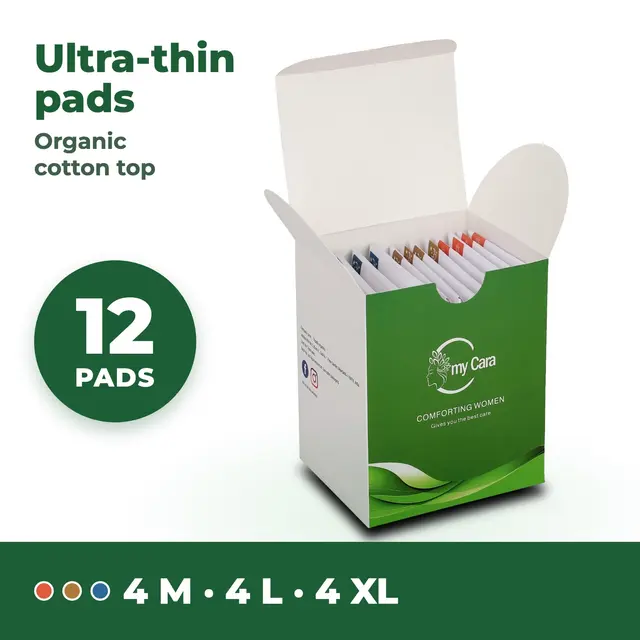
For your period
My Cara Ultra-thin Sanitary Pads with Organic Cotton Top Layer (4M+4L+4XL)
12 pads (4 M, 4 L, 4 XL)
199 rupees
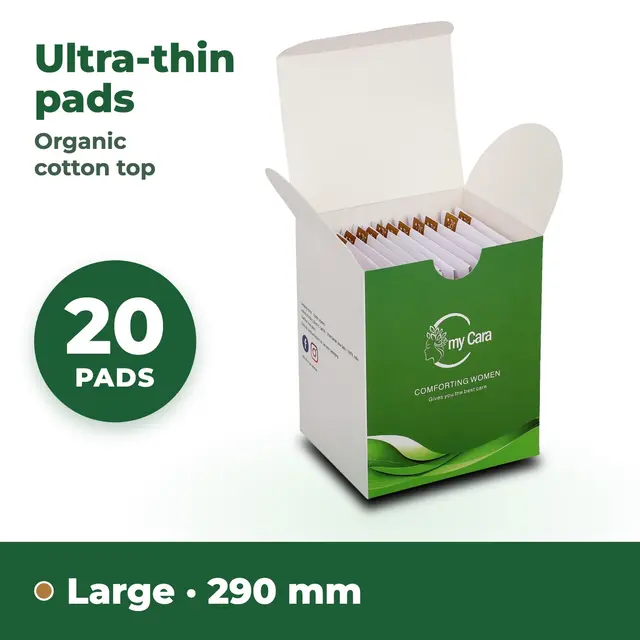
For your period
My Cara Ultra-thin Sanitary Pads with Organic Cotton Top Layer (20 Large)
20 Large pads
299 rupees
Keep reading
Can coffee and sugar make period cramps worse?
How caffeine and sugar may affect period pain, and simple food swaps that can make cramp days easier.
How the menstrual cycle affects other body systems
From mood swings to muscle cramps, understanding the full-body impact of your monthly hormones
The role of the liver in hormonal detox during the menstrual cycle
Why supporting your liver might be the missing piece in easing painful periods and mood swings
Why you need the calcium-vitamin d-magnesium trio in your 20s and 30s
Learn why calcium, vitamin D, and magnesium are essential in your 20s and 30s for long-term bone strength and overall health.

Early puberty and its emotional impact on girls
Understanding early puberty, what is causing it, and how parents can support their daughters through the change
Tired on your period? Iron and ferritin explained
Why periods can leave you low on iron, the difference between iron and ferritin, and why a doctor's blood test is the way to know.
